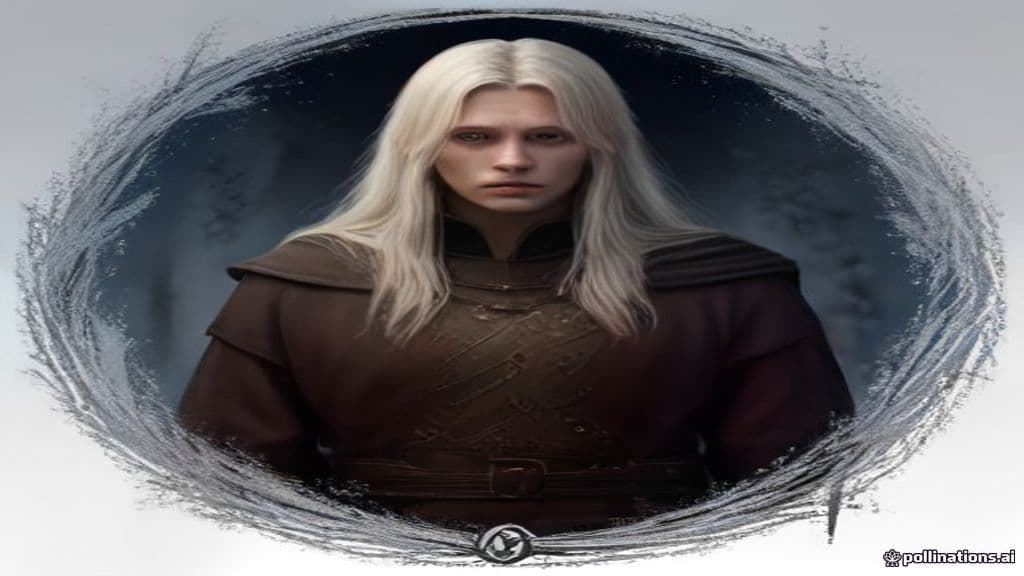
In the Old Norse genealogical-kingship corpus, Agne is presented as a member of the Yngling lineage and is named as son of Dagr (Dag the Wise) in Snorri Sturluson's account. Medieval compilers vary in exact succession ordering: Snorri places Agne as son of Dagr and predecessor to Alrekr and Eiríkr, while other sources such as Historia Norwegiae and Íslendingabók show variant positions (e.g., Alrekr and Yngvi/Ingialdr in differing sequences). His narrative functions as a named ancestral node that explains toponymy (Agnafit) and a burial mound associated in local tradition with 'Kung Agnes hög'.
Saga summaries describe Agne in standard heroic terms for saga kings — 'mighty and famous' and 'skilled in many ways' — with no supernatural or unusual physical markers recorded in the provided materials. The accounts give him the appearance and attributes of a powerful human war-leader rather than a spirit or otherworldly being.
Agne's notable capacities in the tradition are martial and political: he leads a summer campaign to Finland, defeats a Finnish host led by Frosti, subdues Finland, takes great booty and captives (including Frosti's daughter Skjalf and a kinsman Logi), holds feasts, and exercises kingship over conquered territory. The narrative also records a vulnerability in Agne's fondness for feasting and drinking, which Skjalf exploits to take revenge and hang him using a torc and a rope.
Weaknesses
- conditionintoxication (drunkenness exploited by an agent of vengeance)
- othervulnerability to personal treachery during festival/feast (narrative method of his death: Skjalf uses a torc as noose, removes the tent/anchoring, and arranges for him to be hanged)
Wards
None recorded.
Community Record
- [1]Agne (Wikipedia). Wikipedia article 'Agne' (summary of saga material and modern notes on barrow association)wiki
- [2]Wikidata: Agne. Wikidata entry for 'Agne' (name/identity metadata)wiki
- [3]Ynglinga saga summary (Snorri Sturluson) as cited in secondary summaries. Summarized passages from Snorri's Ynglinga saga cited in the Wikipedia article describing Agne's campaign in Finland, capture of Skjalf, the funeral feast, and his hanging.literary
- [4]Historia Norwegiae and Íslendingabók (medieval synoptic sources). Mentioned in the Wikipedia article as alternate medieval sources giving variant successions for the Yngling lineage (Historia Norwegiae and Íslendingabók).literary
- [5]Local antiquarian note on Kung Agnes hög (Lillhersby, Sollentuna) and barrow excavation. Wikipedia notes an excavated barrow identified in local tradition with Agne and dated to c. 400, reported in the article's summary of archaeological correlation.other