
There is no mythic origin story for Arizelus in the provided sources. He appears as a personal name used in genealogical formulae: Quintus Smyrnaeus names Harpalion as “Arizelus scion” and born in Boeotia (Fall of Troy, Book 10). Tzetzes’ Chiliades (book 6) records a later literary mention of a Timarchus described as son of Arizelus. These attestations show the name in epic and later rhetorical/historical contexts rather than in a narrative origin tale.
No physical description of Arizelus is attested in the cited materials. He is referenced only as a named mortal/patronymic anchor in epic and later textual lists; no appearance, clothing, or bodily traits are provided.
The sources attribute no supernatural abilities or specific behaviors to Arizelus. He functions as a filial identifier: father of Harpalion (the Boeotian warrior killed in the Trojan cycle) and, in a separate later source, father of Timarchus the orator. No powers, interactions beyond normal familial role, or deeds of his own are recorded in the supplied texts.
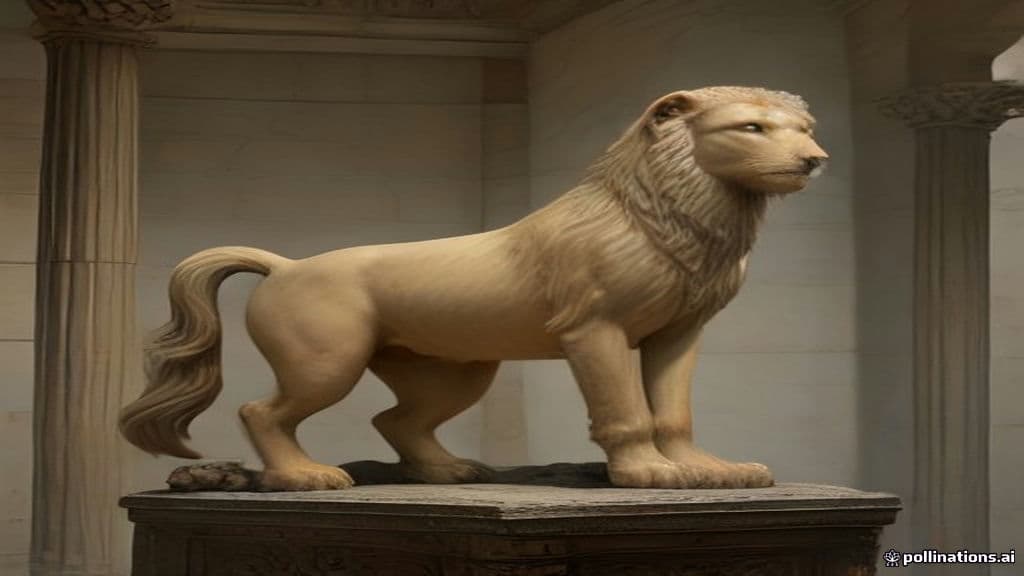
Harpalion
Harpalion is a personal name borne by several mortal men in Greek mythic tradition. Attestations identify individuals called Harpalion as ordinary human actors — a Lemnian wine-grower and two warriors who fought and died in the Trojan War — without any supernatural attributes in the cited sources.

Amphinome
Amphinome is an ancient Greek proper name attested for multiple distinct female figures in myth — chiefly a Nereid (sea-nymph) and several mortal women (including a wife of Aeson and one of the Peliades). The name is also reused in modern taxonomic and creative contexts (annelid genus, butterfly species, and contemporary fantasy), but these are later reuses rather than continuations of a single mythic being.
Community Record
- [1]Quintus Smyrnaeus, The Fall of Troy, Book 10. Quintus Smyrnaeus, Fall of Troy, Book 10: “First did Aeneas of the Danaans slay Harpalion, Arizelus scion, born In far Boeotia of Amphinome...”literary
- [2]Theoi: Quintus Smyrnaeus, The Fall of Troy Book 10 (text). Quintus Smyrnaeus, Fall of Troy, Book 10 (Greek text and translation excerpts naming Harpalion as son of Arizelus)literary
- [3]MAICAR / GML: Achaeans (Harpalion entry). Maicar/GML summary: “He was son of Arizelus and Amphinome … and was killed by Aeneas. QS.10.75”other
- [4]Tzetzes, Chiliades Book 6 (Theoi Classical Texts Library). Tzetzes, Chiliades book 6: summary reference to a Timarchus described as ‘son of Arizelus’ and an orator (later literary mention).literary
- [5]Dictionary of Botanical Epithets: arizelus / arizelos / arizela. Dictionary of Botanical Epithets entry lists arizelus/arizelos/arizela with glosses such as “obvious, notable” and “very plain, clear, distinct, much known,” indicating later Latinizing reuse of the name-form.other
- [6]Behind the Name — Greek myth names list (Arizelus/Arizelos). Behind the Name listing of Arizelus/Arizelos among Greek myth names and attestations in onomastic sources.wiki
- [7]Wikipedia: Amphinome (mentions Harpalion and parents). Wikipedia summary noting Harpalion as son of Arizelus and Amphinome (compilation of mythographic attestations).wiki