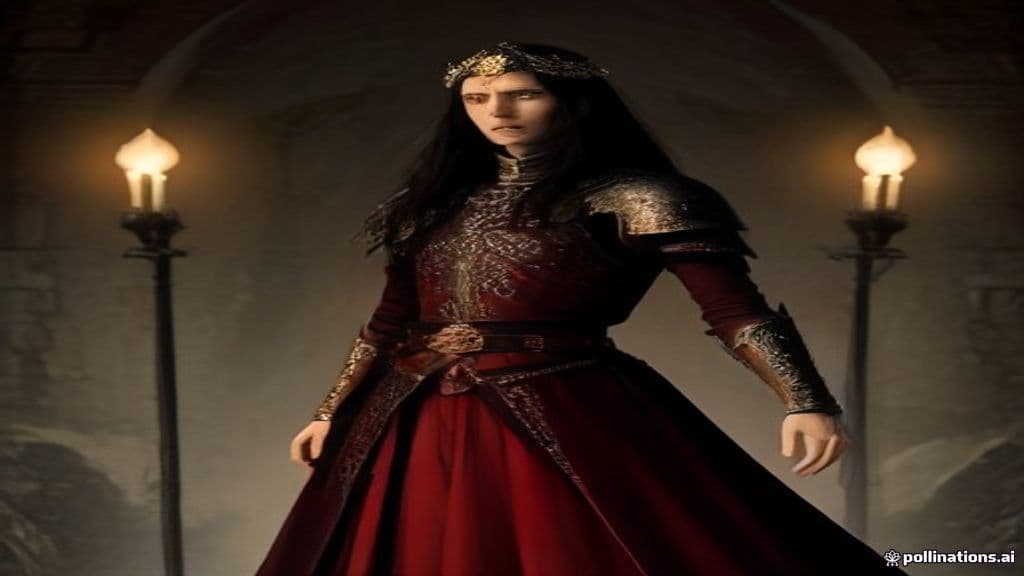
In the narrative most fully preserved by Geoffrey of Monmouth, Arvirargus is a son of Cunobelinus (Kimbelinus) who succeeds his elder brother Guiderius after Guiderius falls fighting the invading Romans under Emperor Claudius. Having donned his brother's armour, Arvirargus leads the Britons in resistance, pursues Roman forces to the coast, fights sieges at Winchester and Portchester, and—after negotiations with Claudius—enters a marriage alliance by wedding the emperor's daughter (named Genvissa or Venissa in some medieval accounts). Geoffrey's Historia presents these events as part of a line of national rulers that link Britain into Roman imperial history; modern commentators, however, describe Geoffrey's account as highly romanticised and not reliably historical, while noting possible echoes of the historical resistance led by figures such as Caratacus and Togodumnus.
The surviving accounts give no sustained physical portrait of Arvirargus; descriptions emphasize his actions—taking up armour, leading armies, and performing royal duties—rather than bodily features such as height, dress, or complexion. A later reference in classical satire is cited by some summaries as a cryptic allusion but supplies no concrete physical description. In Geoffrey's narrative he is depicted in the role and trappings of a warrior‑king—armoured leader, besieged ruler, and royal husband—without systematic iconographic detail.
Arvirargus possesses no supernatural powers in the sources; his capacities are political and military. He succeeds his brother as commander of the Britons, rallies forces against Roman invasion, pursues Roman commanders (Geoffrey reports the slaying of a Roman named Hamo and links that episode to a place‑name tradition for Southampton), conducts defensive actions at Winchester and Portchester, negotiates terms with Emperor Claudius including marriage and tribute, undertakes civic works such as rebuilding ruined towns (including a renaming/founding association for Gloucester), resists later Roman expeditions (including an encounter with Vespasian at Exeter), and is finally reconciled into peace—after which he dies and is said to be buried at Gloucester. These are political, military, and dynastic activities rooted in medieval chronicling rather than reports of magical or divine agency.
Community Record
- [1]Arvirargus — Wikipedia. Wikipedia, 'Arvirargus' article (accessed via provided research notes)wiki
- [2]Venissa — Wikipedia. Wikipedia, 'Venissa' article (noting Venissa is not considered historical)wiki
- [3]Arvirargus (MoEML entry). Map of Early Modern London / MoEML, 'Arvirargus' entries summarising medieval traditionliterary
- [4]Wikidata entry for Arvirargus. Wikidata: Arvirargusother