No mythic origin story for Aveta is preserved in the surviving epigraphic or archaeological record supplied. The evidence for Aveta derives from Roman-period temple contexts, altars, inscriptions, and votive terracotta figurines; scholarly reconstructions of her character (for example, as a mother-goddess and possibly a healing-spring deity) are inferred from these material remains and from comparative interpretation with other Gallic goddesses such as Sirona. Any narrative account of her origins or deeds is not attested in the provided sources.
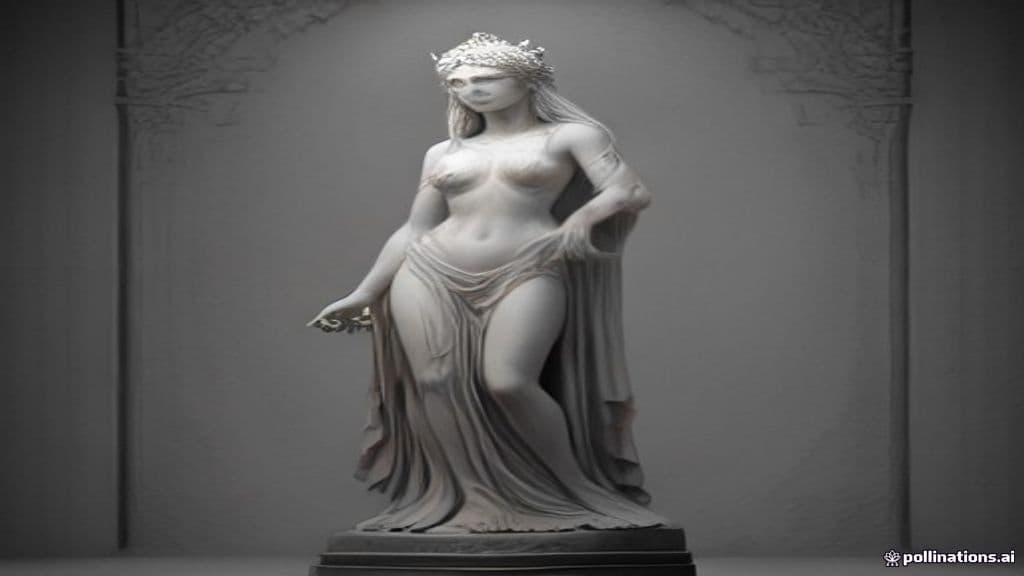
Material and iconographic evidence consists chiefly of small terracotta figurines and statuettes recovered from temple precincts and rural sanctuaries. Common types attested in the sources include a seated goddess holding a basket of fruit or a small dog in her lap, a seated goddess nursing a swaddled child, and standing nude figures of the Venus type stressing fertility. Some clay figures carry emblems of corn or bread or are shown offering fruit to a small dog. These motifs are the principal visual attributes recorded in the supplied literature.
The sources attest Aveta as a mother-goddess associated with fertility and nourishment. Scholarly interpretation (not direct primary evidence) by Miranda Aldhouse-Green links Aveta with springs and healing and draws a parallel with the healing goddess Sirona; Aldhouse-Green also interprets the dog motif as expressing a healing or regenerative aspect. The supplied materials do not record mythic narratives, specific supernatural acts, magical powers, or stories of direct interaction beyond votive practice and dedications by worshippers seeking favor or thanks.
Community Record
- [1]Aveta (Wikipedia). Wikipedia contributors, 'Aveta,' Wikipedia, The Free Encyclopedia, https://en.wikipedia.org/wiki/Avetawiki
- [2]Aveta (Wikidata). Wikidata entry Q922272, Aveta, http://www.wikidata.org/entity/Q922272other