Classical mythographic accounts and later scholia offer eponymous genealogies to explain the ethnonym: some traditions derive the name from an eponymous ancestress Bebryce (female) or from a heroic ancestor Bebryx/Bebrycus. Ancient geographic writers such as Strabo are cited by modern summaries as treating the Bebryces as one of several Thracian tribes that migrated into Asia Minor (linking them to the Bryges/Phrygians). Modern linguistic scholars have proposed alternative etymologies: B. Sergent has suggested onomastic affinities with Celtic tribal names (Bebruces of the Pyrenees, Bibroci of Britain) ultimately tied to a Proto-Celtic *brebu ‘beaver’; Ivan Duridanov has argued for Indo-European roots meaning ‘beaver’; Slavic reflexes (Proto-Balto-Slavic *bebrus > bober/bobr) show the same lexical field. Thus the origin accounts combine classical mythic etiologies (eponymous ancestor figures) with competing scholarly hypotheses about linguistic and ethnic connections.
Sources treat the Bebryces as a human tribe or people rather than as individual supernatural monsters; classical and mythographic texts do not describe distinctive non-human physical traits. The tradition highlights named rulers (e.g., Amycus, Mygdon, Bebryx) and their roles—kings who box, wage war, or host visitors—rather than offering a physical description of the population as anything other than mortal inhabitants of Bithynia or, in later retellings, local inhabitants tied to a Pyrenean episode.
No supernatural powers are attributed to the Bebryces in the provided sources. Their ‘abilities’ are those of a human polity: rulership, martial capacity, and the capacity to contest or resist visiting heroes. Mythic episodes record specific behaviours and interactions: King Amycus of the Bebryces challenges the Argonauts and is killed by Pollux in a boxing contest; other accounts report Heracles or the Dioscuri defeating the Bebryces and slaying a king (sources vary between Amycus and Mygdon); in some narratives their territory is taken and given to another ruler (King Lycus of the Mariandynians). In regional retellings (French Pyrenean material) a Bebrycian king Bebryx figures in a story of Heracles and Pyrène, where failure to protect Pyrène leads to massacre—again, framed as human violence and political outcome rather than magical action.
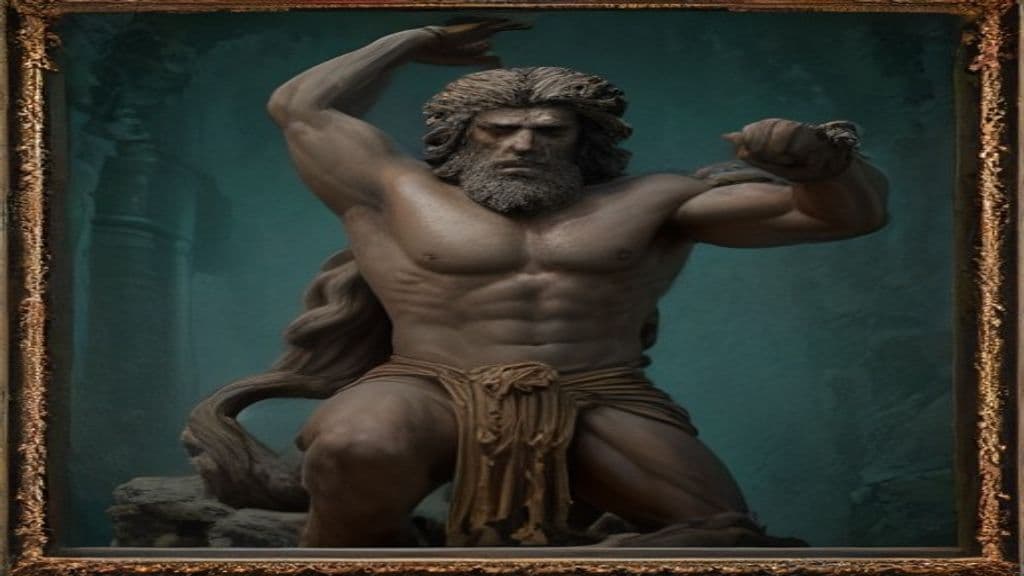
Heracles
Heracles is the greatest hero of Greek myth whose career bridges mortal hero-cult and full divinization. Celebrated for his Twelve Labours, martial prowess, and travels between the mortal world, the underworld, and Olympus, he functioned as a civic patron, ancestor of royal lines (the Heracleidae), and object of cult that treated him both as chthonic hero and as god.
Argonauts
A band of human heroes in Greek myth who sailed aboard the ship Argo under Jason to Colchis to retrieve the Golden Fleece. Their identity is defined by membership in the celebrated voyage and by shared heroic lineages; membership lists and details vary by source.
Community Record
- [1]Bebryces. Wikipedia, entry 'Bebryces'wiki
- [2]Bebryce (mythology). Wikipedia, entry 'Bebryce (mythology)'wiki
- [3]LAND: Land of the Bebryces (UVic Myth Index). University of Victoria, Myth Index: 'Land of the Bebryces'literary
- [4]BEBR1: Group: Bebryces (UVic Myth Index). University of Victoria, Myth Index: 'Bebryces'literary
- [5]Intro to the Argonauts (recorded summary referencing Apollodorus). Archive.org recording: 'Intro to the Argonauts' (summaries including the boxing of Amycus by Pollux / Apollodorus summaries)literary
- [6]Pyrène : La cité mythique des Pyrénées - Les Civilisations oubliées (archival fragment). Archive.org: French retelling linking a Bebrycian king Bebryx and Pyrène in Pyrenean legendfolk
- [7]Wikidata: Bebryces. Wikidata entry 'Bebryces'other
- [8]Attalus: Bebryces (Onomastic / name references). Attalus.org: Name references for Bebrycesother
- [9]Historyfiles — Kingdoms of the Continental Celts - Bebryces. HistoryFiles: discussion of Bebryces and onomastic parallelsother