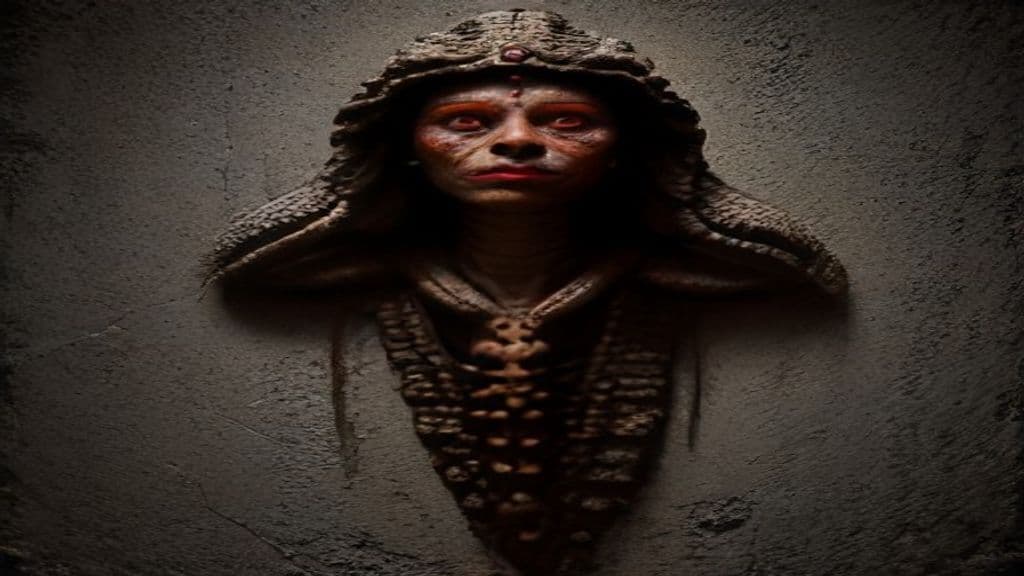
Chaac’s mythic motifs in the sources center on his role as the active force that makes rain and opens access to water and crops. He brings rain and storms by striking clouds (and mythic rain-snakes) with his lightning axe, a weapon that is sometimes personified as the deity K'awiil (Bolon Dzacab). In some regional myths Chaac’s actions produce or release maize (a lightning-axe used to open the mountain containing maize), while certain Qʼeqchiʼ and Tzotzil versions cast his tears or punishments as the origin of rain. Chaac is linked cosmologically to subterranean sources—caves and cenotes—from which sacred water and clouds are said to be formed and carried to the sky; he is also connected with aged subterranean water deities such as the Bacabs and Pauahtuns and with fertility goddesses like Ixchel. Historically and ritually, Chaac appears both as an impersonated figure in royal and communal rites and as a plurality of directional Chaacs (four cardinal, sometimes a fifth center) reflecting Maya spatial cosmology.
Iconographically Chaac is depicted with a human body covered in reptilian or amphibian scales and a non-human head bearing fangs and a long, pendulous nose; in Classic-style imagery a shell commonly serves as his ear ornament. He frequently carries a shield and the lightning axe (the latter associated with or personified by K'awiil/Bolon Dzacab). Classic-period art also sometimes presents war-like features—implements and prisoner-taking—associated with his imagery, while early Yucatec ethnographic notes give directional titles (for example Chac Xib Chaac, "Red Man Chaac") and record farmers treating multiple aspects of rainfall as distinct rain deities.
Chaac controls rainfall, thunder, and lightning, producing storms by striking clouds with his lightning axe. In folkloric motifs preserved in Chorti and other Maya traditions he generates rain by striking rain-carrying snakes. He is represented as producing or transporting water from subterranean sources—caves and cenotes—into the sky, and in mythic narratives he may open the mountain that contains maize. He operates as a multiplicity of directional figures (four cardinal Chaacs, sometimes a central fifth) with distinct colors and functions. Ritually Chaac is central to rainmaking rites: kings and ritual specialists have impersonated or enacted his personae, rainmaker initiates claim knowledge of the rain deities’ places and movements, and Chaac appears in initiation scenes where he may be associated with the skeletal Death God in transformative ritual contexts.
Weaknesses
- otherNo clear canonical weaknesses recorded in supplied sources; some myths describe moral punishment (e.g., tears becoming rain) but do not present explicit vulnerabilities
Wards
- ritualInteraction managed by ritual petition rather than warding — offerings and ceremonies (see Chʼa Cháak and cenote offerings)
Kappa
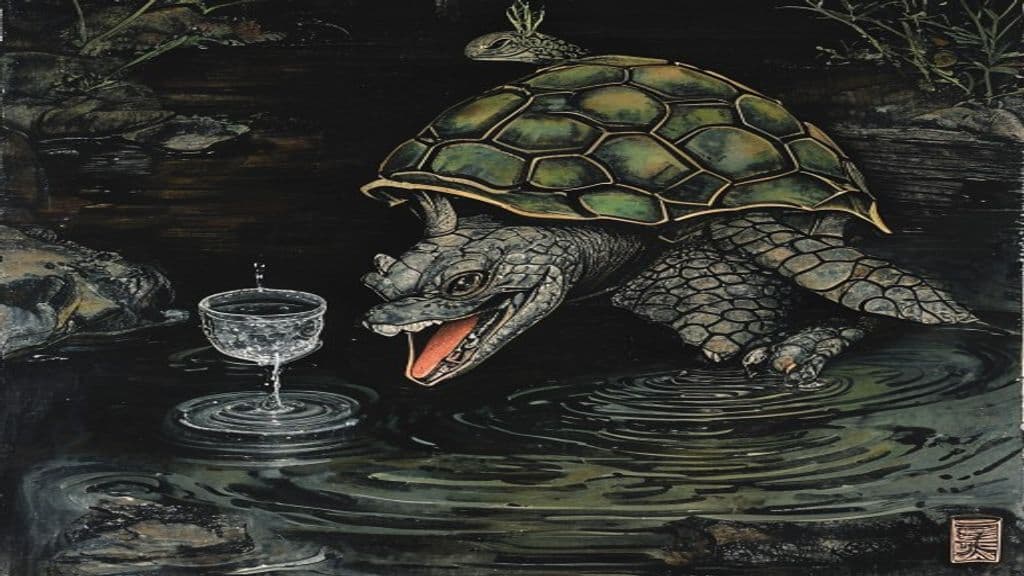
A water-dwelling imp of Japanese folklore with a bowl of water on its head. Mischievous but bound by strict codes of politeness; dangerous near rivers.
Kappa
A water-dwelling imp of Japanese folklore with a bowl of water on its head. Mischievous but bound by strict codes of politeness; dangerous near rivers.

Ixchel
Ixchel is a major Maya goddess attested in Post‑Classic and colonial accounts and identified by scholars with the Classic codical figure ‘Goddess O’ (often rendered Chak Chel). She functions primarily as an aged female divine patron of childbirth, midwifery, and medicine, and is also associated in codices with rain/water imagery and occasionally fearsome jaguar/warrior aspects.
Community Record
- [1]Chaac. Wikipedia article 'Chaac'wiki
- [2]Chaac (Ahua/Maya god of rain and lightning). Marvunapp summary page on Chaacother
- [3]Wikidata entry: Chaac. Wikidata item for Chaacother