The concept functions as an accounting for origins across multiple cultures rather than a single narrative: the creator being is the source or cause of created reality. In monotheistic traditions the creator is often identical with the one God of the system; in some monolatristic arrangements sources distinguish a secondary creator-agent who effects the formation of the world while a primary transcendent being remains ultimate. The supplied material emphasizes this structural variation rather than giving a single mythic origin tale.
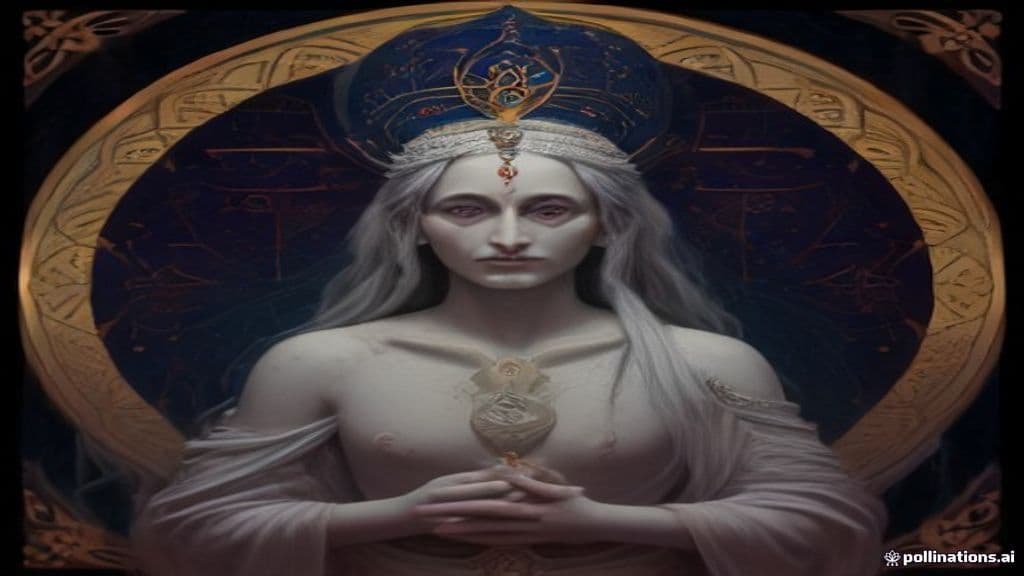
The supplied sources do not supply a standardized iconography or a single appearance for creator beings. Many traditions historically anthropomorphize creator deities or portray them with culturally specific attributes, while other systems conceive the creative principle as transcendent or non-anthropomorphic. In the material provided there is no unified physical description or imagery for the creator being; the entry therefore records the functional role rather than fixed visual traits.
Conceptually the creator being's primary function is to originate the Earth, world, and universe. In some theological presentations (for example the Christian devotional reflection cited in the sources) the creator is also described as sustaining what has been created — that is, keeping things in being — but that sustaining role is asserted for particular traditions rather than presented as a universal attribute in the supplied material. The monolatristic distinction recorded in the sources treats the creative activity as potentially delegated: a secondary creator performs the creative work while a primary transcendent being is ultimate in rank.
Weaknesses
- otherNone noted in supplied sources
Wards
- otherNone noted in supplied sources
Community Record
- [1]Creator deity. Wikipedia contributors, 'Creator deity', Wikipedia, The Free Encyclopedia.wiki
- [2]Friday of the Twenty-Fifth Week in Ordinary Time - Who Do You Say That I Am. Catholic devotional reflection (archive.org)other