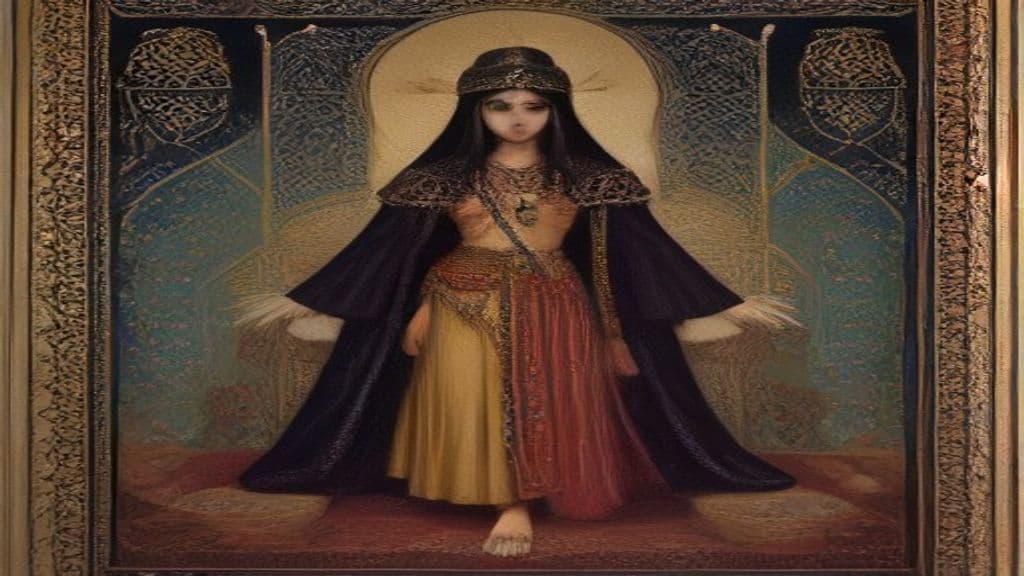
The term daeva (Avestan daēuua) derives from Old Iranian *daiva and ultimately from Indo‑Iranian *daivá- (cf. Proto‑Indo‑European *deywós). In the Gathas, the oldest Zoroastrian texts, daevas are described not as demons with a fixed backstory but as 'gods that are (to be) rejected' — cultic or divine figures opposed by the Zoroastrian revelation. Over time, through developments recorded in the Younger Avesta and later tradition, the daeva category shifts from rival or alternative gods to divinities associated with chaos and disorder and eventually to generalized personifications of evil; scholarly discussion exists about when and how this semantic inversion occurred, but the basic etymological link to Indo‑European 'god' roots and the trajectory from 'god' to rejected/evil being are attested in the sources.
The supplied sources do not provide a consistent, canonical physical description. Early texts emphasize the daeva's cultic and moral status (gods to be rejected) rather than embodied features; later Persian folklore preserves various portrayals of dēws/divs, but the referenced materials do not enumerate a standard corporeal form or set of visual attributes for daevas.
In the textual record summarized in the sources, daevas are characterized by their oppositional role to the Zoroastrian revelation: in the Gathas they are rival gods to be rejected; in the Younger Avesta they are described as divinities that promote chaos and disorder; in later tradition they are treated as personifications of many kinds of evil. The supplied material does not list a standard catalogue of supernatural powers, specific methods of interacting with humans, or uniform magical abilities.
Community Record
- [1]Daeva. Wikipedia: Daevawiki
- [2]Wikidata: Daeva. Wikidata entry for Daevaother