Delbáeth is presented in the medieval sources not as a single unified origin story but as a recurring dynastic name with variable parentage and roles. In some genealogies he is given as a descendant or grandson of Eochaid Ollathair (the Dagda) and succeeds the Dagda as High King of Ireland, reigning for ten years before being slain by his son Fiacha; other recensions attribute different parentage (variants in traditions link him into lines connected with Aengus, Ogma, or Elatha through the broader Tuatha Dé Danann genealogical network). Compilers sometimes equate or conflate Delbáeth with other figures (for example Tuireann/Tuirill Biccreo or Lugaid mac Tail), and tribal families such as the historical Delbhna claimed descent from one or another bearer of the name.
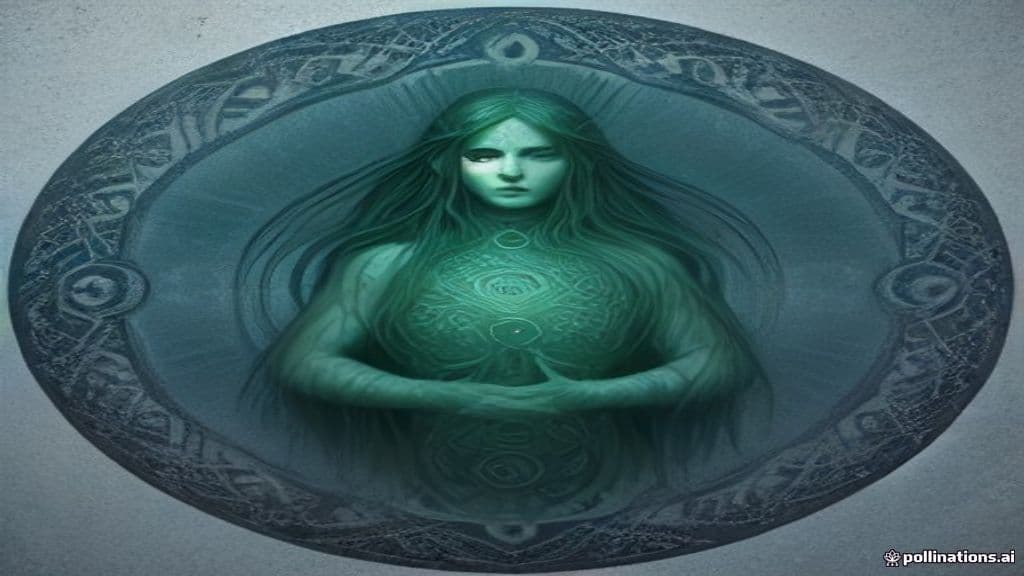
The sources that preserve Delbáeth are primarily genealogical, topographic, and narrative compilations, and they do not supply a consistent physical description for a single individual named Delbáeth. Because the name is attached to multiple figures across texts and eras, any visual depiction varies by recension and local tradition; surviving references identify Delbáeth chiefly by lineage, office (regnal status), and filial relationships rather than by bodily attributes. Scholarly commentaries emphasize that the lack of a stable iconography reflects the onomastic recycling and conflation of persons named Delbáeth in the medieval corpus.
The medieval texts do not catalogue a fixed set of supernatural powers for a specific Delbáeth. Genealogical and Lebor Gabála material associate the genealogical line(s) in which Delbáeth appears with the transmission of cultural arts and skills—one passage credits descendants (not necessarily the same named individual) such as Lugh with introducing pastimes and activities (chess-play, ball-play, horse-racing) into Ireland. The onomastic etymology recorded in the Dindshenchas (Dolb-Aed) renders the name as 'enchanted fire' or 'fire-shaped,' an onomastic gloss that links the name to notions of enchantment and fiery/ritual potency but does not amount to an attested catalogue of personal magical acts within the supplied sources. Narratively, Delbáeth figures function as rulers, progenitors, and participants in dynastic succession and kin-strife.
Weaknesses
- otherkilled by his son Fiacha (attested narrative vulnerability)
Wards
None recorded.
Community Record
- [1]Delbáeth — Wikipedia. Wikipedia entry 'Delbáeth'.wiki
- [2]Lugh Delbáeth — Wikipedia. Wikipedia entry 'Lugh Delbáeth'.wiki
- [3]Lebor Gabála Érenn, part IV. Lebor Gabála Érenn (medieval compilation; genealogical passages), part IV (ancienttexts.org edition).literary
- [4]The Metrical Dindshenchas, Part 86. Metrical Dindshenchas, Part 86 (topographic/onomastic material).literary
- [5]Delbaeth (Celtsite summary). Celtsite character summary 'Delbaeth'.other
- [6]Ériu commentary (genealogical notes). Ériu (commentary and translations noting multiplicity/confusion of Delbáeth figures).academic
- [7]Lebor Gabála Érenn (alternative online edition). Lebor Gabála Érenn (alternative online edition) with genealogical listings.literary