The sources do not provide a single creation origin but present these beings as the organized population and rulers of the cosmological World of Darkness. Mandaean scripture (summarized from the Right Ginza) lists principal rulers and paired consorts — e.g., Zartai-Zartanai and wife Amamit; Hag and Mag; Gap and Gapan; Anatan and Qin; Šdum; Giu; Krun — and frames them as the hostile powers whom a Light being such as Hibil Ziwa descends past in a layered sequence of dark 'worlds' or realms.
Descriptions in the surviving summaries are varied and often metaphorical rather than systematic. Some rulers bear epithets (Krun: 'King of Darkness, great mountain of flesh') implying monstrous corporeality; others are described simply as 'man' (Himun) or as male/female pairs (Hag and Mag). Comparative glosses in the Right Ginza link certain terms to older Near Eastern figures (e.g., šidā compared to Akkadian šēdu, a man-headed winged-lion protective spirit), indicating hybrid and monstrous imagery exists in the repertoire though the Mandaean texts provide names and epithets more often than full consistent iconography.
The literary sources present these beings in functional roles recorded in the Right Ginza and Diwan Abatur: rulers and 'lords' of darkness (the 'Five Lords of the World of Darkness'), matarta (gate) guards encountered on descent, devourers (Karipiun/Karafiun is described as a 'devourer'), and warriors (Anathan/Anatan is described as 'war-like' or a 'warrior'). They operate as obstacles, rulers, and inhabitants of staged underworld levels that a Light figure traverses; the skandola talismanic seal's depiction of Krun, Hag and Ur indicates these figures are regarded as potent agents of harm from whom protection is sought.
Weaknesses
None recorded.
Wards
- ritualskandola (talismanic seal)
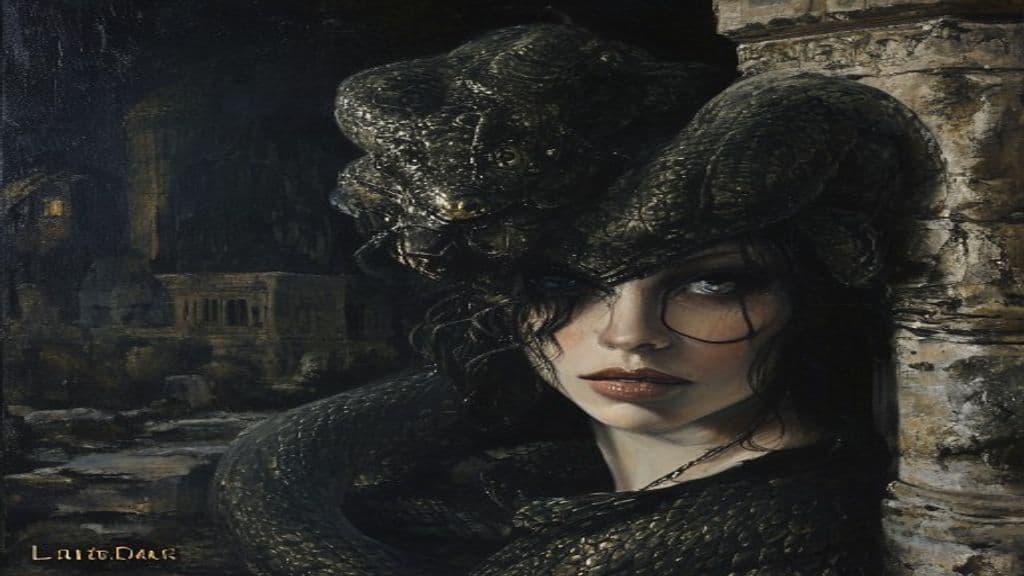
Lamia
A child-devouring demon of Greek mythology — once a queen of Libya and lover of Zeus, driven mad by Hera's destruction of her children and transformed into a monstrous hunter of other women's children.
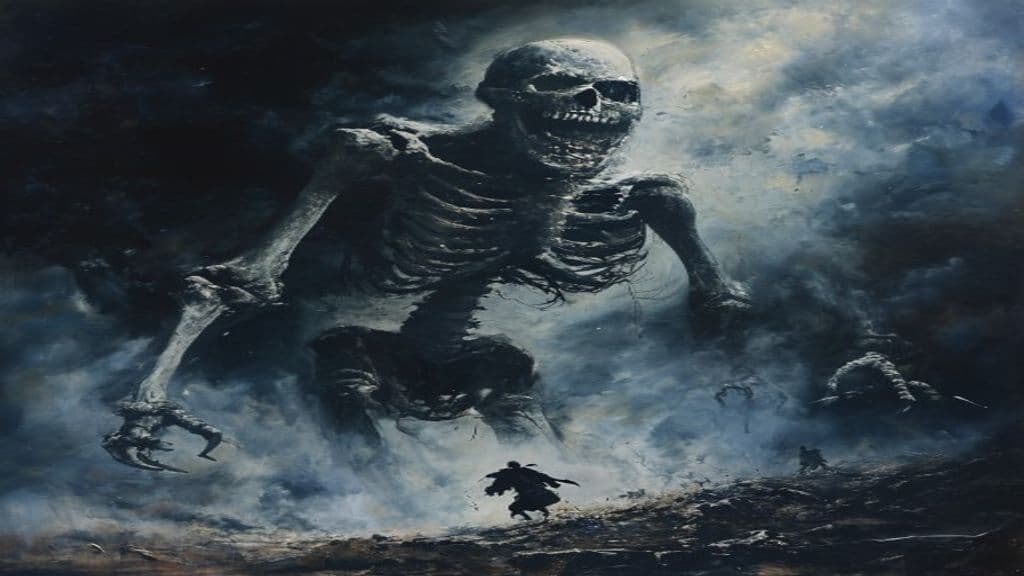
Gashadokuro
A fifteen-times-human-height skeletal yokai formed from the bones of those who starved to death or died on battlefields, their unburied remains fused together into a hungry colossus.

Shiva
Shiva (Sanskrit: Śiva) is one of the principal deities of Hinduism, central to Shaivism and pan-Hindu worship. Portrayed as a paradoxical figure—ascetic yogi, householder, warrior and cosmic agent—he is described as the auspicious One who creates, protects and transforms the universe and is commonly associated with dissolution within the Trimurti framework.
Community Record
- [1]Demons in Mandaeism (Wikipedia). Wikipedia, 'Demons in Mandaeism'.wiki
- [2]Wikidata: Demons in Mandaeism. Wikidata entry Q111944593 summarizing the concept.other
- [3]The Mandaean Religion (Kurt Rudolph, Gnostic Society Library summary). Rudolph, summary on Gnostic Society Library; cited in source notes about Mandaean cosmology.academic