The term drakaina is the feminine form of drakon in Ancient Greek and is attested through named figures in Greek myth. Rather than a single origin tale, the category appears in multiple mythic genealogies and narratives: Echidna is presented as a monstrous mother of many beasts, Campe is described in sources as a guardian of Tartarus, and Delphyne/Python are associated with Delphi. Classical and summary sources use the word to identify these female serpentine/dragon figures as a recognizable class within Greek monstrous typology.
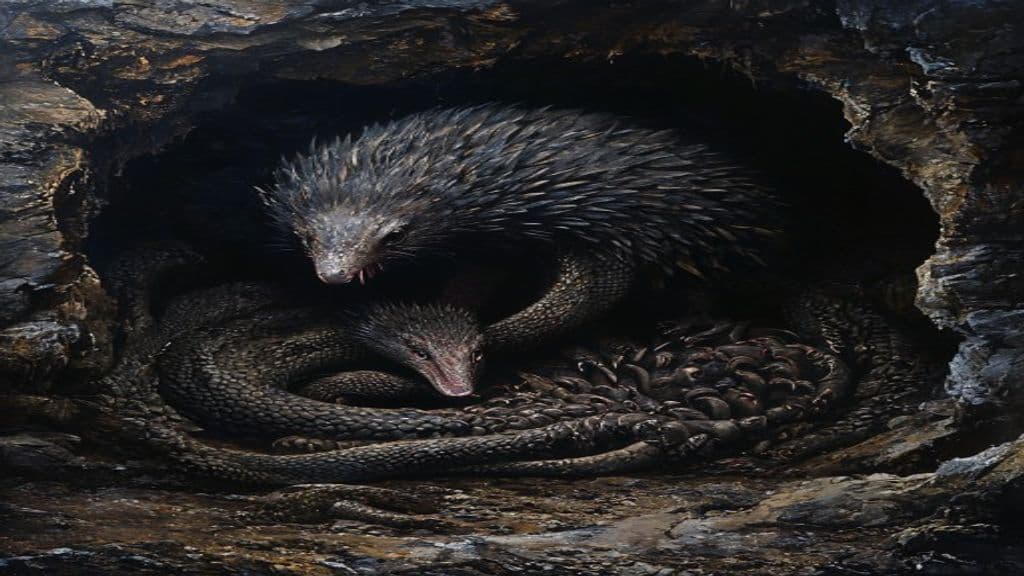
Descriptions in the cited sources vary by exemplar. The drakaina is broadly described as a female serpent or dragon and is sometimes specified as having humanlike features. Echidna is traditionally depicted as half-woman, half-serpent; Campe is described in mythic summaries as a draconic guardian of Tartarus; Delphyne and Python are depicted as large serpents associated with Delphi. Sources emphasize variation rather than a single fixed morphology, ranging from fully serpentine bodies to hybrid serpent–human forms.
Source material frames drakainai as fearsome, dangerous monstrous figures that function within mythic narratives as adversaries to gods and heroes or as chthonic/liminal guardians. Named drakainai (for example Campe, Delphyne, Echidna, Python) are involved in conflicts requiring divine or heroic defeat. The provided sources do not enumerate discrete supernatural powers (such as breath weapons, specific venom, or speech) and instead record their roles in narrative combats, guardianship of sacred or underworld places, and participation in mythic genealogies.
Weaknesses
- otherno specific weaknesses recorded in provided sources
Wards
- otherno ritualized wards or protective rites recorded in provided sources
Community Record
- [1]Drakaina (mythology) - Wikipedia. Wikipedia, 'Drakaina (mythology)'wiki
- [2]Dragons in Greek mythology - Wikipedia. Wikipedia, 'Dragons in Greek mythology'wiki
- [3]SCYTHIAN DRACAENA (Drakaina Skythia) - Serpent-Nymph of Greek Mythology. Theoi Project, 'Drakaina Skythia'other
- [4]Campe in Greek Mythology - Greek Legends and Myths. Greek Legends and Myths, 'Campe'folk
- [5]Python - The Serpent Of Delphi In Greek Mythology. History Hogs, 'Python - The Serpent Of Delphi In Greek Mythology'folk