Echemmon appears in the epic and mythographic record as one of the many named children of Priam, king of Troy, preserved in Homeric-index style lists and later summaries of Trojan genealogies and death-lists. Primary attestations are catalogue-style references within the Trojan War corpus (see indices to the Iliad and later mythographic registers). These sources present him not as a founder or divine figure but as an aristocratic combatant whose death is recorded among the casualties of the siege of Troy. The literary record preserves variant traditions about his death: the most-cited account names Diomedes as the slayer of Echemmon and his brother Chromius (aligned with Iliadic death-list traditions), an alternate account attributes the slaying of Echemmon and a brother named Aretus to Odysseus, and a separate brief notice records an Echemmon described as a friend of Thoas who was killed by Eurypylus of Mysia—possibly a distinct minor figure sharing the same name.
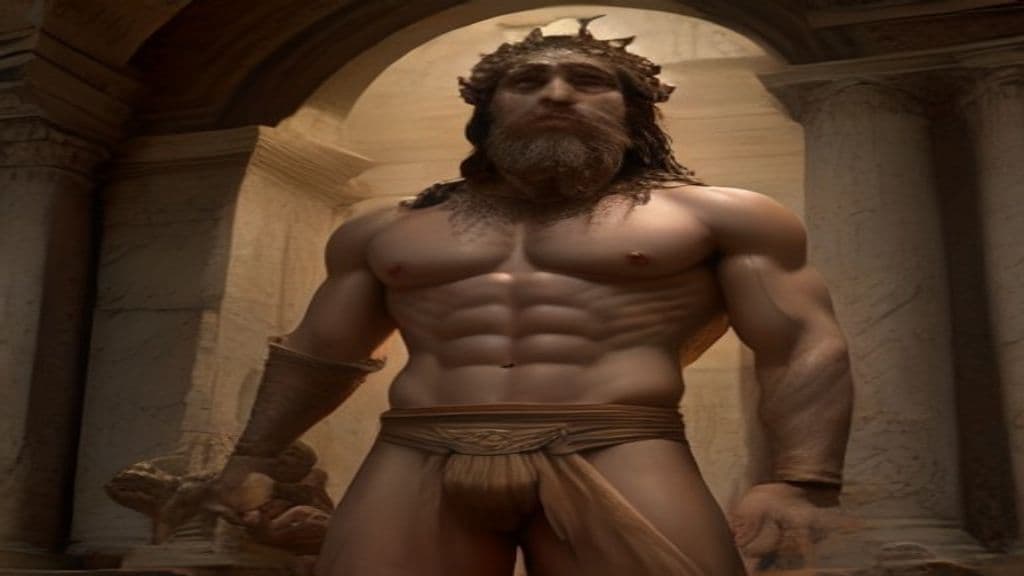
The sources provide no physical description of Echemmon. He is presented only in genealogical and death-list entries (as a son of Priam and as a slain combatant), and surviving summaries and indexes do not preserve details of his armor, stature, or iconography. Later mythographic compilations and reference pages likewise record his name and fate without descriptive material.
Echemmon is represented in the sources strictly as a mortal Trojan prince/warrior; there are no accounts of supernatural powers, magical skills, or extraordinary feats in the provided material. His principal role in the tradition is genealogical and narrative—he participates as one of Priam's sons in the Trojan War and is recorded as slain, an action treated as a narrative fate rather than an ability.

Diomedes
Diomedes (Ancient Greek: Διομήδης) is a hero of Greek myth, foremost among Achaean warriors in the Trojan War, later a king of Argos and a legendary founder of cities in Italy; some traditions report he received cult after death. The name also appears for other historical and modern persons and places but within the supplied sources refers primarily to the mortal heroic figure(s) of classical tradition.
Odysseus
Odysseus is a legendary mortal king of Ithaca from ancient Greek epic tradition, best known as the protagonist of Homer's Odyssey. Celebrated for his intellect, craft (mêtis), and long nostos (homecoming), he functions as an exemplar of heroic cunning rather than a supernatural being.

Eurypylus
Eurypylus (Ancient Greek: Εὐρύπυλος, 'wide-gated') is an anthroponym in Greek myth borne by several distinct mortal or semi-divine figures — kings, princes, and warriors — attested across regional heroic-age narratives (Thessaly, Mysia, Cos, Thebes, Tiryns) and the Trojan War cycle. The name functions genealogically and narratively rather than as a single supernatural being.
Community Record
- [1]Echemmon (mythology) — Wikipedia. Wikipedia, 'Echemmon (mythology)'wiki
- [2]Echemmon — Wikidata entry Q3718501. Wikidata Q3718501wiki
- [3]Index to the Iliad (BCDE) and Iliadic death-lists. Homer (Iliad) index references; Iliadic death-list material cited in source notesliterary
- [4]Deaths in the Iliad, Ian Johnston - Greek Mythology Link. Ian Johnston, 'Deaths in the Iliad' (compiled death-list references)other
- [5]Priam 1 - Greek Mythology Link. Priam genealogical compilations (lists of children of Priam)other
- [6]King Eurypylus in Greek Mythology - Greek Legends and Myths. GreekLegendsandMyths.com, entry on Eurypylus (mentions an Echemmon killed by Eurypylus)folk
- [7]The Children of Priam in Greek Mythology - Greek Legends and Myths. Compilation of Priam's children (lists Echemmon among them)folk
- [8]11887 Echemmon. Astronomical minor-planet name referencing the mythic Echemmonwiki