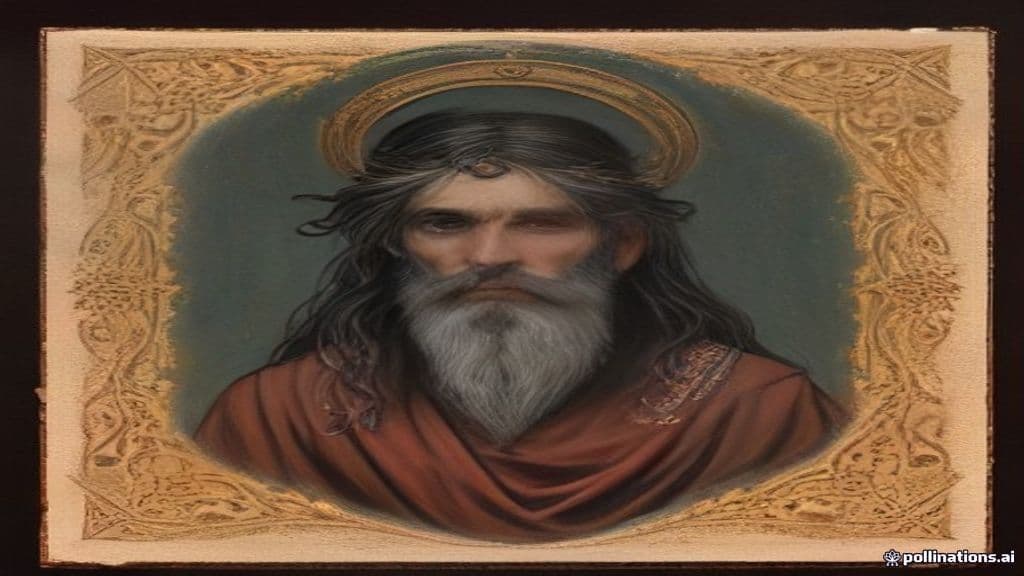
Homeric and scholiastic traditions present Echetus as a fearsome king of the mainland (epeiros) opposite Ithaca; he appears in the Odyssey's mythic-historical world without an elaborate cosmogonic origin. Scholia and later summaries give variant names tied to his family (the provided source set mentions him in relation to Homeric narrative episodes) but do not supply a sustained genealogical or creation myth. Modern commentators treat him either as a didactic/mythic exemplar used to frighten or, speculatively and without evidentiary support, as a possible remembered historical cruel ruler.
Primary Homeric passages and the provided scholia/summaries do not supply a detailed physical portrait of Echetus. The emphasis in the sources is on his actions and reputation as a maimer or destroyer rather than on bodily description. Modern speculative accounts sometimes suggest deformity or cannibalistic madness, but these conjectures are presented in the sources as lacking firm evidence.
Sources attribute to Echetus human but extreme capacities for punitive violence: maiming, mutilation, imprisonment, blinding, and brutal execution of those who offend him. In Odyssey-related summaries he is said to amputate noses and ears (threat to Irus), to have blinded his daughter by piercing her eyes with bronze needles and confined her while assigning an impossible task (grinding grains of bronze into flour), and (in scholiastic variants) to have mutilated the daughter's lover. Later mythic summaries report tales of madness and self-consumption, but such elaborations are treated in the provided materials as part of later mythic accretion rather than primary Homeric description. There is no presentation in the cited materials of supernatural powers or cosmological functions—his force is reputational and humanly brutal.
Community Record
- [1]Echetus - Wikipedia. Wikipedia, entry 'Echetus'.wiki
- [2]The Odyssey by Homer, Book 18 (summary/translations). Homer, Odyssey (Book 18) translations and summaries as cited in source set.literary
- [3]The Odyssey Book 18 - Summary. Summary of Odyssey Book 18 (used in source set to document threats invoking Echetus).literary
- [4]Pantheon: Echetus | Facts, Information, and Mythology. Encylopedic summary of Echetus (cited in the provided materials).other
- [5]The Odyssey (public summaries and commentaries cited). References to Odyssey plot use in source set (threat to Irus; daughter's punishment reported in scholia summaries).literary
- [6]After the War – Mythoi Koinoi (post-Trojan War mythic context). Contextual material on Homeric post-war mythic landscape (cited in provided research notes).academic
- [7]Lamb, The Adventures of Ulysses (retelling/reference). Modern retelling/summary used among the provided source set to document reception of Odyssey episodes.other