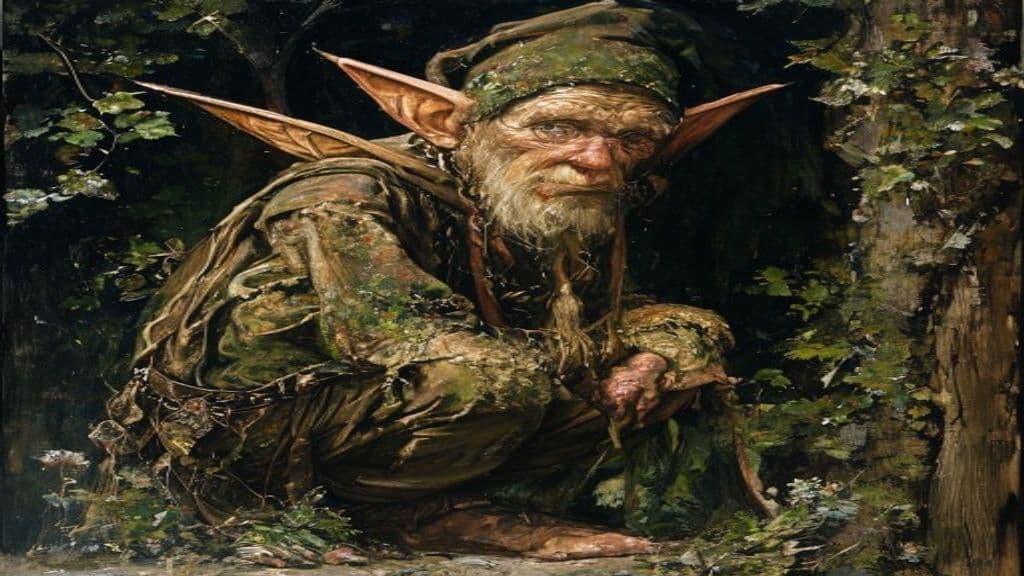
The category 'elf' stems from Proto-Germanic lexical formations reconstructed as *ɑlβi-z and *ɑlβɑ-z and appears in Old English (ælf, pl. ælfe), Old Norse (alfr, pl. alfar) and Old High German (alp, pl. alpî). In medieval Germanic sources, notably the Poetic and Prose Edda referenced in modern summaries, elves occupy the same mythic field as gods and other supernatural kinds; Snorri Sturluson records distinctions such as ljósálfar ('light-elves'), situating elves within Norse cosmology. Scholarly etymology links the Germanic word to an Indo-European root meaning 'white' (cognate with Latin albus), leading to interpretations that the original term may have meant 'the white/bright ones'—a label variously read as denoting radiance, beauty, or a euphemistic quality. Over time the conceptual space shifted: medieval associations with gods and magic continued into early modern popular beliefs (particularly in Scotland and Scandinavia) where elves were conceived as magically powerful people living, usually invisibly, alongside human communities; later literary reinventions broadened and transformed the figure into diverse forms found in modern culture.
Medieval and early-modern accounts consistently describe elves as humanoid and possessing exceptional beauty or 'supernatural beauty.' While specific physical details vary by period and region, the recurring emphasis in the source material is on a personlike form combined with extraordinary attractiveness—often enough that ballad and folklore materials treat them as seductive or alluring. Norse texts distinguish categories such as ljósálfar ('light-elves'), suggesting a luminous or radiant aspect in some mythic representations, while early-modern Scottish and Scandinavian beliefs imagine elves as people-like yet usually invisible neighbors to human communities. The supplied sources do not provide an exhaustive catalogue of physical traits (height, clothing, coloration) beyond these core descriptors.
Across the cited traditions, elves possess magical powers and a varied set of interactions with humans. Medieval sources associate them with magic, illness, and with the gods; they are described as capable of both benefiting people (healing, aid) and harming them (causing illness, seduction, abduction), making their moral stance ambivalent. Early modern Scottish and Scandinavian belief frames them as 'magically powerful people' who live invisibly alongside humans and continue to be linked to sexual threat and disease in ballads and folk narratives. The sources emphasize variability across time and place—elves can function as minor domestic or household supernatural agents in some contexts, and as mythic, quasi-divine figures in others—but central traits are magical agency, beauty, and the capacity to help or harm.
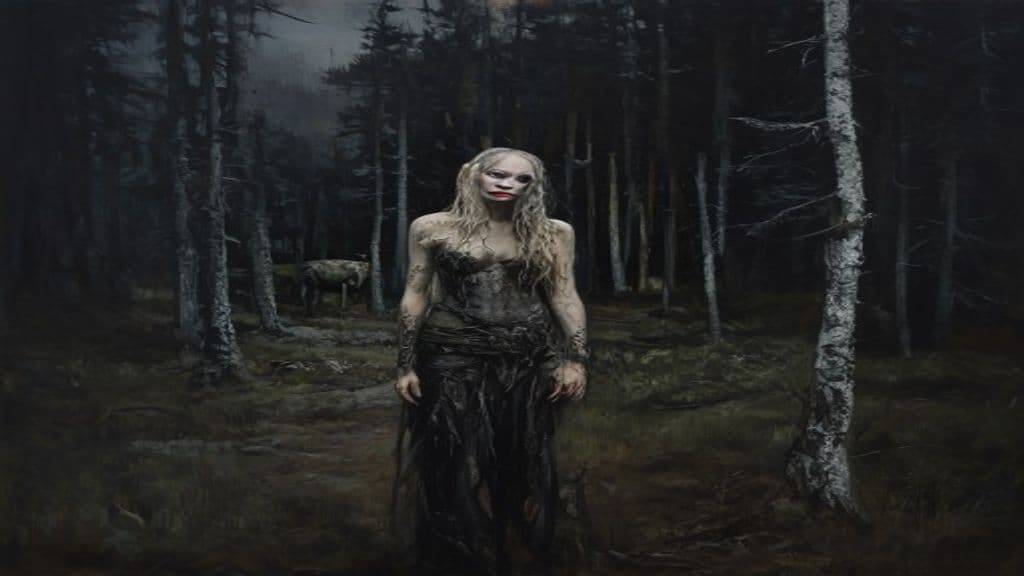
Huldra
A seductive forest spirit of Scandinavian folklore — beautiful from the front but with a cow's tail or hollow back — who lures men into the wilderness, sometimes to their ruin.

Fairy
A class of anthropomorphic supernatural beings found across multiple European folk traditions, fairies are magical, liminal entities variously described as spirits, an older race, or enchanted people; their depiction ranges from human-sized to diminutive and their attributes and moral alignment vary by region and period.
Community Record
- [1]Elf. Wikipedia, 'Elf' article (summary of medieval to modern Germanic traditions, etymology, and regional belief)wiki
- [2]The Secret Commonwealth of Elves, Fauns and Fairies. Robert Kirk, The Secret Commonwealth (Project Gutenberg entry referenced in research notes; noted as an early work on fairy/elf belief though specific ritual details were not quoted in the supplied excerpts)literary