In the Beowulf poetic context, eotenas are listed among the 'evil broods' given a Christianized genealogy in which monstrous stocks are associated with Cain (e.g., the Beowulf line rendered as 'all evil broods were born... eotenas ond ylfe ond orcneas'). This placement is specific to the poem's moral-historical framing; the wider Germanic/Old Norse comparanda treat the cognate class (jötnar/ettins) as an ancestral race of non-divine beings dwelling apart from human and divine realms. Scholarly commentary sometimes debates whether particular poetic references to eotenas denote mythic monstrous kin or have been reinterpreted as ethnonyms (e.g., identification with the Jutes) in specific episodes of heroic poetry.
The supplied Anglo-Saxon sources do not preserve a consistent, detailed physical description of eotenas. Modern summaries of the cognate Old Norse term jötunn commonly translate it as 'giant', and that gloss influences later imagery, but the primary Old English lines cited (e.g., Beowulf's monster-list) do not enumerate concrete bodily traits such as height, limbs, or faces. Medieval and modern commentators treat them as monstrous or adversarial beings, but specific physical attributes are not attested in the provided materials.
Direct attestations in the provided materials locate eotenas among hostile or malign stocks in the poetic world (Beowulf's catalogue groups them with elves and orc-nées). Comparative Old Norse material characterizes the cognate jötnar as inhabitants of separate lands who frequently stand in opposition or rivalry to gods and humans; from this comparative context one may infer that eotenas function in narratives as opponents or members of a monstrous lineage. The supplied sources do not enumerate particular supernatural powers (e.g., shapeshifting, specific magic) for eotenas themselves.
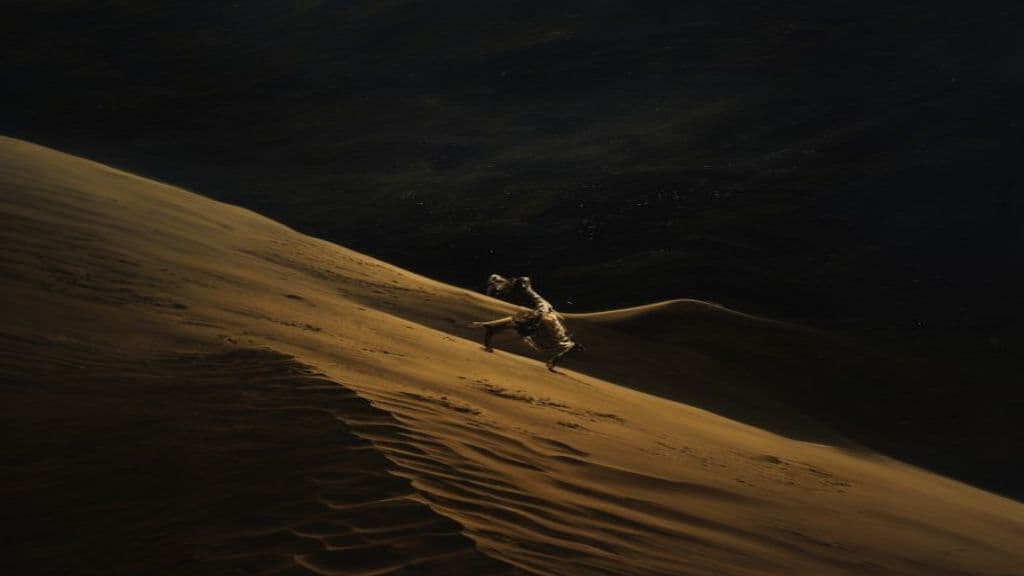
Jann
The weakest class of djinn in Islamic tradition, associated with desert winds and taking the form of snakes or whirlwinds, dwelling in empty wilderness and posing little threat to those who know the proper invocations.
Jann
The weakest class of djinn in Islamic tradition, associated with desert winds and taking the form of snakes or whirlwinds, dwelling in empty wilderness and posing little threat to those who know the proper invocations.
Jann
The weakest class of djinn in Islamic tradition, associated with desert winds and taking the form of snakes or whirlwinds, dwelling in empty wilderness and posing little threat to those who know the proper invocations.
Community Record
- [1]Jötunn. Wikipedia: 'A jötunn or jotun, or archaic ettin in English... The jötnar typically dwell across boundaries from the gods and humans in lands such as Jötunheimr.'wiki
- [2]Jötnar (Wikidata). Wikidata entry for Jötnar (comparative taxonomy reference)other
- [3]Jutes - Alchetron. Alchetron: notes that the Jutes have also been identified with the eotenas in some interpretations of heroic episodes.other
- [4]Where monsters come from. Colin Gorrie: commentary on monster genealogies and Beowulf's list of monstrous stocks.other
- [5]Harris | Beowulf (Beowulf lines and commentary). Beowulf lines and scholarly notes: citation of the Old English catalogue line rendering eotenas alongside ylfe and orcneas.literary
- [6]The Nine Worlds: Jötunheimr / Eotenham (comparative note). The Nine Worlds: 'Jottinheimr was home to the Jotnar, AS Eotenas, or ettins... In Eotenham lie the fortresses of the ettins.' (comparative secondary summary)other
- [7]Ingwine — OE ettins & related notes. Philological commentary and alliterative/lexical discussion of eotenas/ettins in Old English poetic diction (secondary commentary).other