The attested name Epona (inscribed as Epona / Eponae in Latin contexts) derives from Gaulish epos 'horse', ultimately from Proto‑Indo‑European *éḱwos → Proto‑Celtic *ekʷos; the -on/-a element is a theonymic/augmentative suffix frequently glossed in modern sources as producing the sense 'Great Mare'. Some scholars have proposed an alternate reading of the suffix (‑ona/‑ana) as referencing sacred water or springs, but that reading is presented in the sources as a scholarly suggestion rather than settled fact. Classical retellings (e.g., a euhemeristic tale recorded in later sources) connect mare imagery to birth of a figure named Epona, but such tales are treated in the sources as interpretative or later parallels rather than definitive origin myths from indigenous practice.
Iconography commonly shows Epona mounted on a horse (often sidesaddle), seated on a throne with foals, or standing beside one or more foals. Typical attributes in depictions include a patera (libation dish), cornucopia, fruit, bread, or grain—emblems of fertility and abundance. Sculptural reliefs and votive images frequently pair her with foals; material culture places her images in stables and on altars. Her cult imagery was widespread enough to be attested across the Roman Empire and even within Rome, making her unusual among Celtic deities for this broad Roman presence.
Sources present Epona as a protector and patron tied specifically to horses (including donkeys and mules), the welfare of stables, and professions connected to equines (breeding, grooms, riders). She protects travellers and those whose livelihoods depend on equine transport. She embodies domesticated horse‑related fertility and abundance. Some scholars, based on select votive objects and iconographic motifs, have proposed a speculative funerary or psychopomp role—that she and her horses might have been regarded in some contexts as escorting souls to the afterlife—but this funerary aspect is presented in the sources as interpretive and not universally attested. Under Roman influence Epona was also widely venerated as patroness of cavalry units in the 1st–3rd centuries CE, an adoption described as secondary to her original domestic and fertility functions.
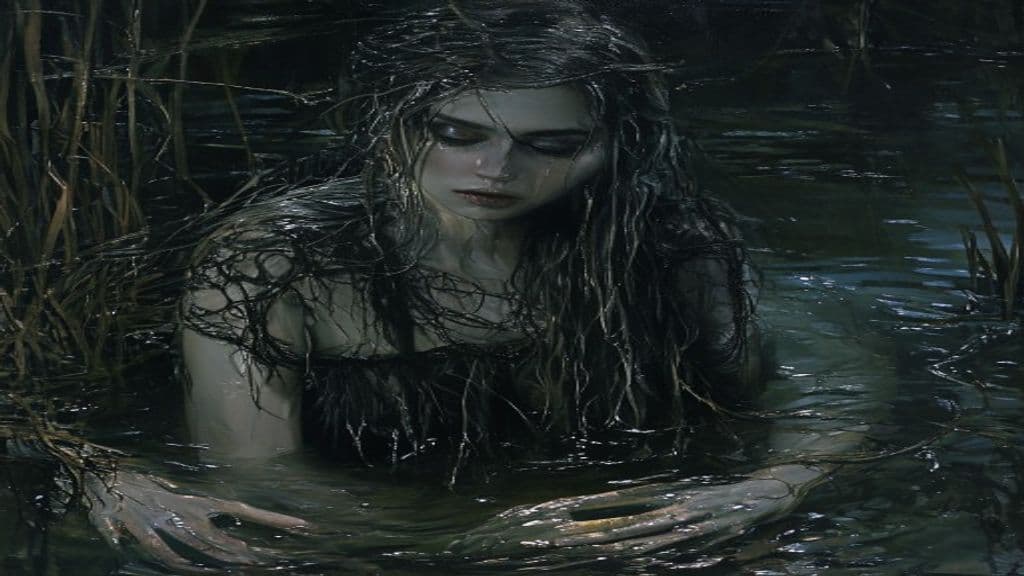
Rusalka
Water spirits in Slavic folklore — the spirits of young women who died by drowning or suicide, bound to rivers and lakes. Beautiful and dangerous, they can bewitch men to their deaths.
Rusalka
Water spirits in Slavic folklore — the spirits of young women who died by drowning or suicide, bound to rivers and lakes. Beautiful and dangerous, they can bewitch men to their deaths.
Community Record
- [1]Epona — Wikipedia. Wikipedia: Epona — summary of functions, iconography, etymology, and cultic attestations (Apuleius, Roman military adoption, funerary speculation).wiki
- [2]Wikidata: Epona. Wikidata entry for Epona — identifier and basic data.other
- [3]To Epona — Deo Mercurio (cult summary and image descriptions). Deo Mercurio: 'To Epona' — descriptions of iconography (Epona riding sidesaddle, carrying basket of fruits) and cult contexts.other