The name Erginus appears in multiple independent traditions rather than a single unified origin narrative. As king of the Minyans of Orchomenus he is presented in the Heracles cycle as a son of Clymenus (in some accounts) who enforced tribute on Thebes and came into lethal conflict with Heracles. In genealogical and heroic rosters he appears as an Argonaut: Hyginus lists an Erginus variously called son of Neptune from Miletus or, in alternative accounts, son of Periclymenus from Orchomenus. In the catalogue tradition of the Seven against Thebes there is a bearer of the name who defends Thebes and is named among those slain by Hippomedon. A later legendary episode assigns an Erginus, described as a descendant of Diomedes, the commission from Temenus to steal the Palladium from Argos (accompanied by Leagrus/Leager). Plutarch also records an Erginus in anecdotal and civic contexts connected with Aratus and Aegias, showing the name’s appearance in Hellenistic biographical narrative. These attestations place bearers of the name across the heroic age and into later legendary-historical settings in different localized traditions.
The sources treat Erginus as human figures in narrative and prosopographic registers rather than as nonhuman or monstrous beings; they do not supply sustained or unusual physical descriptions. When mentioned he functions as a human male actor: a king of Orchomenus who commands tribute-collectors, an Argonaut among the crew of the Argo, a combatant listed in Theban rosters, a covert agent assigned to seize a cult image, or a participant in Hellenistic civic interactions. No supernatural or distinctive corporeal traits are attested in the provided materials.
Rather than possessing supernatural powers, the recorded "abilities" and actions of the figures called Erginus are those of mortal agency within myth, epic catalogue, and local legend. The Orchomenian Erginus enforces a tribute upon Thebes and participates in martial confrontation with Heracles, ultimately being killed and his city sacked in Diodorus-influenced retellings. The Argonaut Erginus is listed among the crew in Hyginus' catalogue with differing parentage (son of Neptune of Miletus or son of Periclymenus of Orchomenus) but without any special magical gift attributed in the supplied fragment. The Theban Erginus appears only in catalogue lines as a defender slain by Hippomedon. The descendant of Diomedes named Erginus is credited with executing Temenus' order to carry off the Palladium from Argos alongside Leagrus. The Plutarchan Erginus acts within civic, social, and political exchanges rather than in mythic combat. These behaviors reflect roles — king, seafarer, warrior, thief, civic actor — rather than supernatural capabilities.
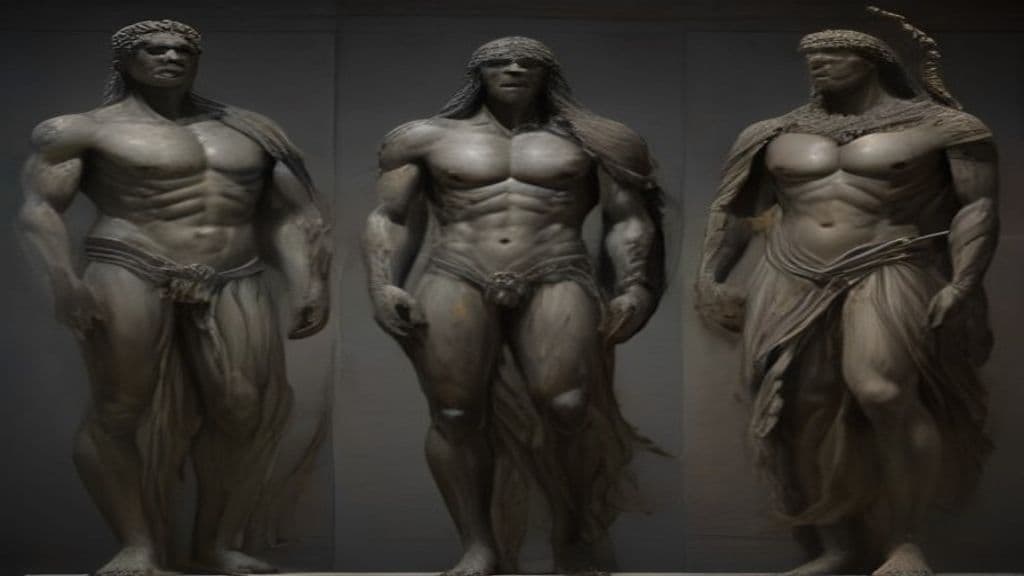
Argonauts
A band of human heroes in Greek myth who sailed aboard the ship Argo under Jason to Colchis to retrieve the Golden Fleece. Their identity is defined by membership in the celebrated voyage and by shared heroic lineages; membership lists and details vary by source.
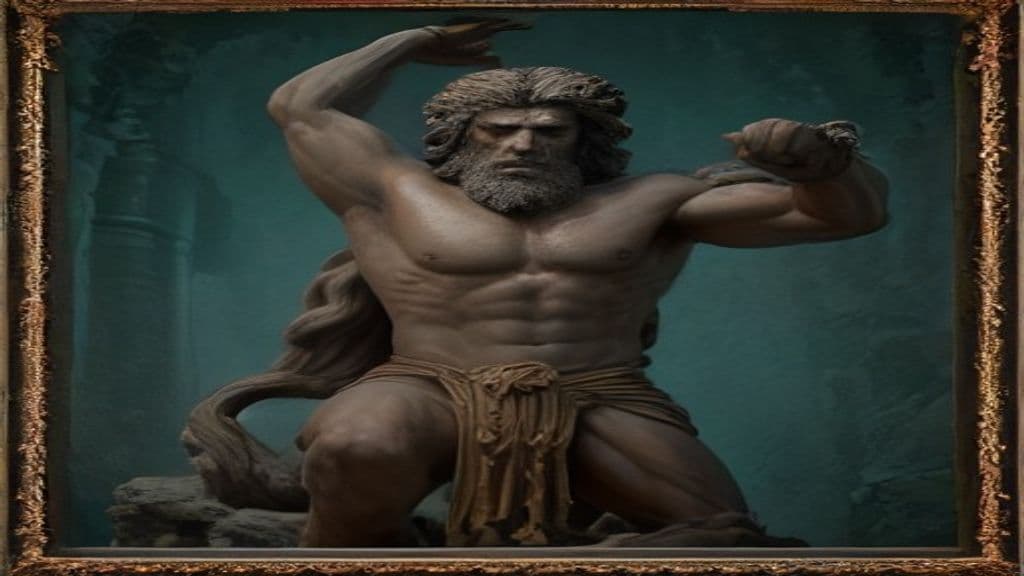
Heracles
Heracles is the greatest hero of Greek myth whose career bridges mortal hero-cult and full divinization. Celebrated for his Twelve Labours, martial prowess, and travels between the mortal world, the underworld, and Olympus, he functioned as a civic patron, ancestor of royal lines (the Heracleidae), and object of cult that treated him both as chthonic hero and as god.

Diomedes
Diomedes (Ancient Greek: Διομήδης) is a hero of Greek myth, foremost among Achaean warriors in the Trojan War, later a king of Argos and a legendary founder of cities in Italy; some traditions report he received cult after death. The name also appears for other historical and modern persons and places but within the supplied sources refers primarily to the mortal heroic figure(s) of classical tradition.
Community Record
- [1]Erginus (Wikipedia). Wikipedia contributors, "Erginus," Wikipedia, The Free Encyclopedia.wiki
- [2]Erginus (Argonaut) (Wikipedia). Wikipedia contributors, "Erginus (Argonaut)," Wikipedia, The Free Encyclopedia.wiki
- [3]Erginus (king of Orchomenus) (Wikipedia). Wikipedia contributors, "Erginus (king of Orchomenus)," Wikipedia, The Free Encyclopedia.wiki
- [4]LP0079 - ARGONAUTS - Launch of the Argo, from The Fables of Hyginus (archive audio/text). Hyginus, Fables (catalogue of Argonauts) as excerpted on Archive (listed entry: Erginus, son of Neptune, from Miletus; some say son of Periclymenus, from Orchomenus).literary
- [5]LP0002 - The Birth of Heracles (archive summary). Summary of Diodorus Siculus' Heracles-cycle material as presented on Archive: account of Erginus, king of the Minyans, tribute on Thebes, and Heracles' destruction of Orchomenus.literary
- [6]Plutarch, Life of Aratus (selections/translations). Plutarch, Life of Aratus, passages referencing an Erginus in civic/historical contexts (various translations).literary
- [7]Erginus - in ancient sources @ Attalus. Onomastic and source-gathering entry compiling ancient references to figures named Erginus.other