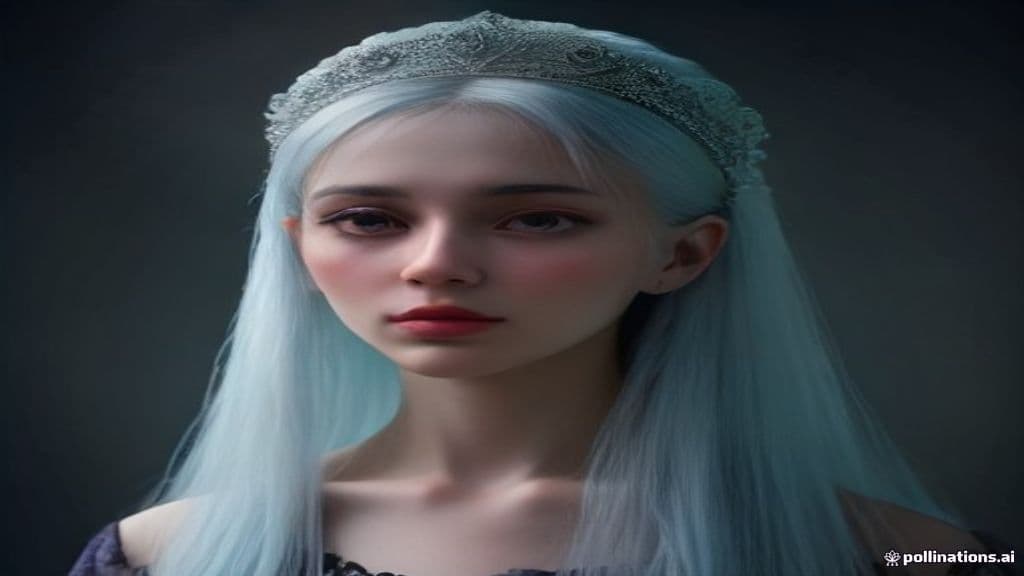
According to later medieval and early modern chronicles and subsequent literary treatments, Esterka was a Jewish woman—often said to be the daughter of a poor tailor from Opoczno—who became the concubine, mistress, or in some accounts the wife of King Casimir III of Poland. She is said to have been installed at a royal residence near Kraków (commonly Łobzów) or associated with Wawel Castle. The story appears in multiple post‑medieval sources (e.g., Jan Długosz, David Gans) and was taken up in later literature and local tradition; these sources present variant details about her status, offspring, and fate but consistently cast her as a historically situated legendary figure rather than a supernatural being.
Contemporary summaries in the surviving corpus do not provide detailed physical description beyond generalized statements of extraordinary beauty. David Gans (quoted in later summaries) praises her beauty; beyond such laudatory remarks, the provided sources preserve no consistent physiognomic or dress details.
The legend attributes to Esterka significant political and social influence exercised through her relationship with King Casimir III. Chroniclers and later writers credit her with persuading the king to issue privileges and protective measures for Jews, encouraging tolerance, trade, urban development, and legal benefactions, and in some versions averting violence against Jews during plague‑era persecutions. Some accounts (e.g., David Gans) also claim she bore children by the king who in legend became ancestors of noble lines. These are descriptive attributions of influence in human and political terms rather than supernatural powers.
Weaknesses
- conditionVulnerability to political change and mob violence (legendary accounts report rioters murdered her and, in some versions, her daughters after Casimir's death)
Wards
- otherNone (not applicable in provided sources)
Community Record
- [1]Esterka - Wikipedia. Wikipedia contributors, 'Esterka,' Wikipedia, The Free Encyclopedia.wiki
- [2]Wikidata: Esterka (Q770181). Wikidata entry Q770181, 'Esterka'.other
- [3]The Jews of Barnow (contains 'Esterka Regina'). Franzos, The Jews of Barnow; contains a treatment titled 'Esterka Regina' (Archive.org edition).literary
- [4]Perma.cc archive: Esterka Kamil - Hajzli. Archived social media/video reference to Esterka (Perma.cc via Archive.org).other
- [5]David Gans (as quoted in summaries). David Gans, quoted in modern summaries: description of Ester/Estera as beautiful and influential and mother to children (as preserved in secondary summaries).folk