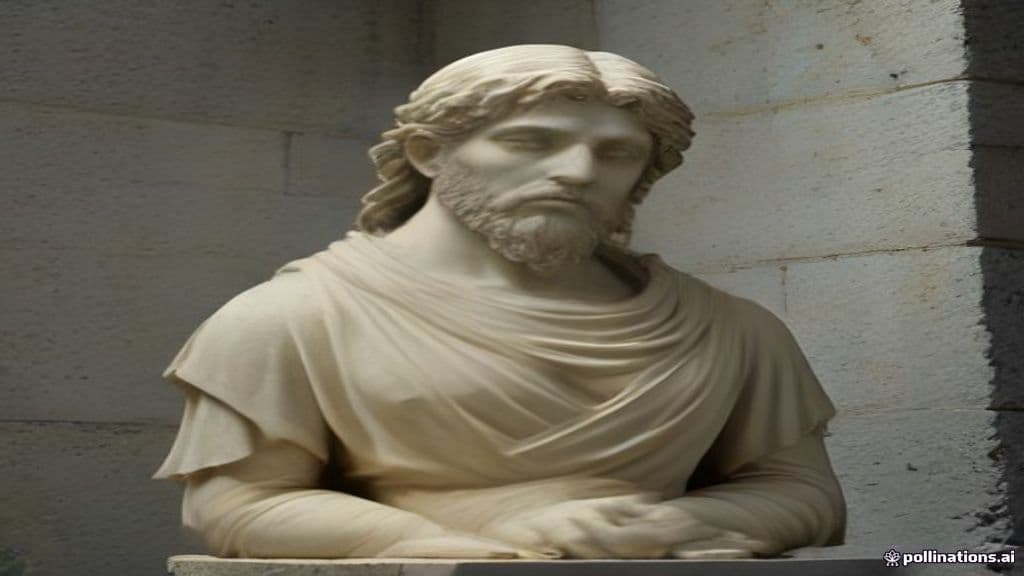
Eurymachus is not a single mythic origin figure but a recurring personal name in Greek literary and historical sources. The Homeric Eurymachus, son of Polybus, appears in the Odyssey as one of the prominent suitors of Penelope during Odysseus' absence; he and the other suitors overstay their welcome and are slain when Odysseus returns. Separate individuals named Eurymachus appear across Greek tradition — for example a son of Hermes (father of Eriboea), a Phlegyan prince in Theban sagas, a suitor of Hippodamia slain by Oenomaus, a son of Antenor who fights at Troy, an Achaean hidden in the Wooden Horse, a fisherman from Syme, and a historical Theban soldier cited by Thucydides — and these attestations represent distinct personae sharing the same name rather than one continuous biography.
Ancient sources do not provide a consistent physical portrait of Eurymachus as a single figure; Homeric texts focus on his words and actions rather than extended physical description. In the Odyssey (notably Books XVIII and XXI) Eurymachus is presented through his speech and conduct as an assertive, arrogant member of the suitor cohort, often speaking publicly and confronting others (translations note phrases such as "Eurymachus, son of Polybus, was the first to speak" and record his scolding and threats). Modern dramatizations (for example the 1997 television miniseries) visualize him as the stereotypical arrogant suitor — a casting choice exemplified by actor Eric Roberts in that production — but such portrayals are modern interpretations rather than ancient attestations.
Eurymachus possesses no supernatural powers in the cited material; his notable capacities are rhetorical and social. In the Odyssey the son of Polybus frequently speaks for and directs the suitors, demonstrating leadership in assembly rhetoric and the ability to marshal the suitors' responses to perceived threats (Book XVIII and Book XXI passages and translations show him arguing, threatening, and organizing plans). Other bearers of the name function as ordinary heroic-age combatants or minor nobles — warriors at Troy, princes involved in Theban narratives, or a soldier recorded in historical prose — performing the typical martial and social roles expected of such figures in epic and historiographic contexts.
Weaknesses
- conditionmortal vulnerability
- otherculpability for violating xenia (guest-host norms) which motivates retributive justice
Wards
None recorded.
Community Record
- [1]Eurymachus (general list). Wikipedia: Eurymachuswiki
- [2]Eurymachus (Odyssey). Wikipedia: Eurymachus (Odyssey)wiki
- [3]The Odyssey, Book XVIII. Homer, Odyssey, Book XVIII (public-domain translation)literary
- [4]The Odyssey, Book XXI. Homer, Odyssey, Book XXI (public-domain translation)literary
- [5]The Odyssey (Project Gutenberg). The Odyssey, Project Gutenberg edition (public-domain translation)literary
- [6]The Odyssey (Internet Classics Archive). The Odyssey, Internet Classics Archive (public-domain translation)literary
- [7]The Odyssey (1997) — film/miniseries descriptions and archives. Archive.org holdings and summaries for the 1997 television miniseries adaptation of the Odyssey (film synopsis noting Eurymachus' death and casting)other
- [8]The Odyssey (1997) — alternate archive. Archive.org alternate upload for the 1997 television miniseriesother