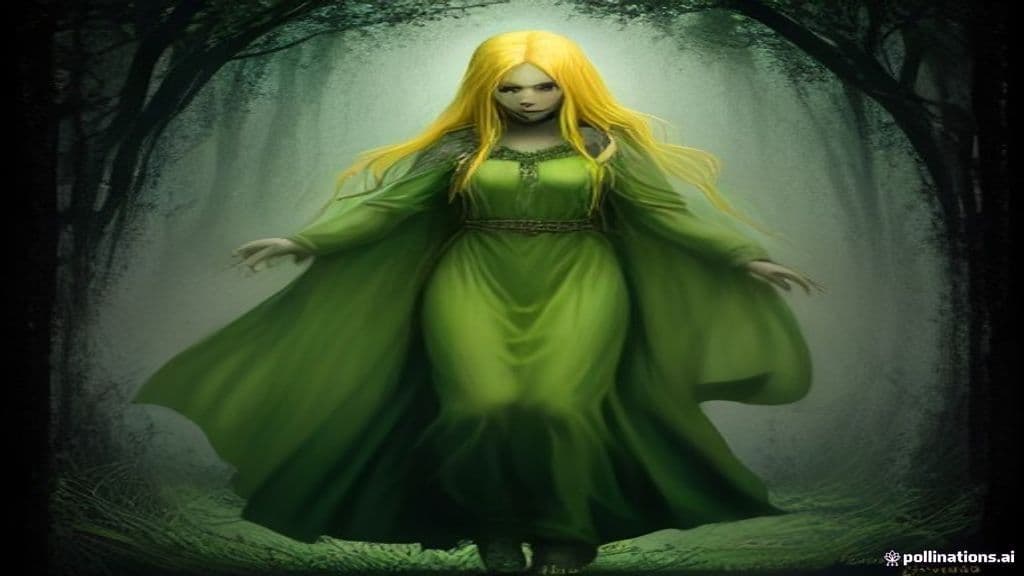
The fuath are recorded in Gaelic oral tradition and 19th-century folklore collections as locally rooted uncanny beings tied to particular sites (mills, burns, lochs, farms). Collectors such as J. F. Campbell and accounts associated with the Dempster/Skibo estate preserved multiple variants set around places like the Mill of the Fuath (Moulin na Vuagha) beside a stream off Loch Migdale in Sutherland. The term itself is Gaelic (Scottish Gaelic fuath, plural fuathan) and functions both as a common noun for 'hatred/aversion'—from Old Irish fúath—and as a lexical label for ghosts or spectres; folklorists have treated fuath alternately as a narrow type of water-spirit or as a broader tribe that subsumes related local uncanny creatures.
Accounts vary widely across collected tales. In some variants a fuath appears humanoid and banshee-like (one story describes a nose-less banshee with yellow hair in a green silk dress seen at a mill). Other tales portray webbed or amphibious feet (a dirty, lame banshee with webbed feet carried by a shepherd). In capture episodes a fuath is said to collapse into a shapeless, jelly-like mass when exposed to light. Related local offspring figures (the brollachan, described as the fuath's son) are recorded as a shapeless body with eyes and mouth and extremely limited speech, indicating amorphous or mutable morphology in the tradition.
Folktales characterize fuath as hostile or uncanny presences tied to places: they emerge from water, haunt mills and streams, and are implicated in theft or mischief in narrative contexts (e.g., attempts to seize objects in various tales). Human interactions recorded in the material include capture, binding, and occasional intermarriage with humans in family rumour (the latter used etiologically to explain unusual family traits such as a mane and tail). Some variants associate banshee-like wailing with fuath figures, linking particular tales to death-omen motifs, though that function is attested only in certain story-variants.
Weaknesses
- substancesteel (awl, sewing needle)
- conditionexposure to light (causes collapse into a shapeless mass)
- otherbinding/tethering for transport (attested in capture narrative)
Wards
- substancesteel (awl, sewing needle) — used to force submission in a capture tale
- conditionillumination (shining light) — causes the creature to fall into a jelly-like mass in the captured example
- otherbinding/tethering — used to restrain a captured fuath in narrative accounts
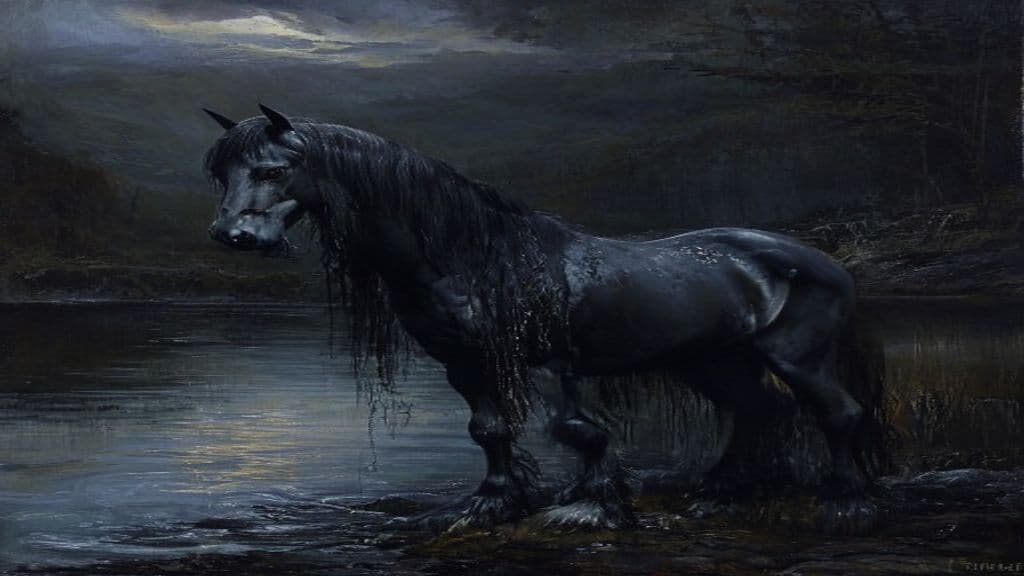
Kelpie
A Scottish shape-shifting water horse that appears as a beautiful tame horse near lochs and rivers, then drowns and devours any rider foolish enough to mount it.
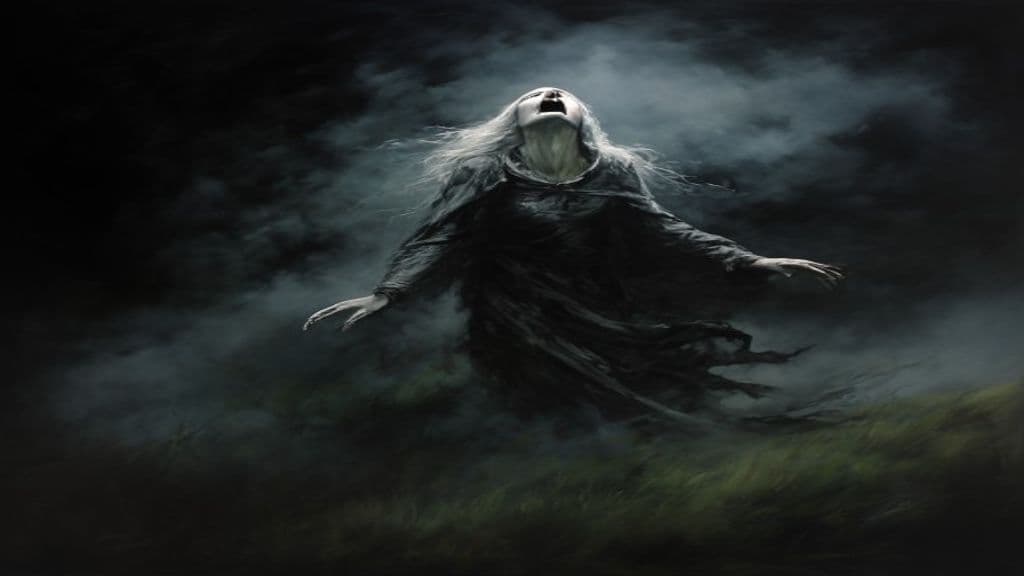
Banshee
A female spirit of Irish and Scottish folklore whose wail heralds an impending death in a family of Gaelic descent. Not a cause of death — a witness to it.
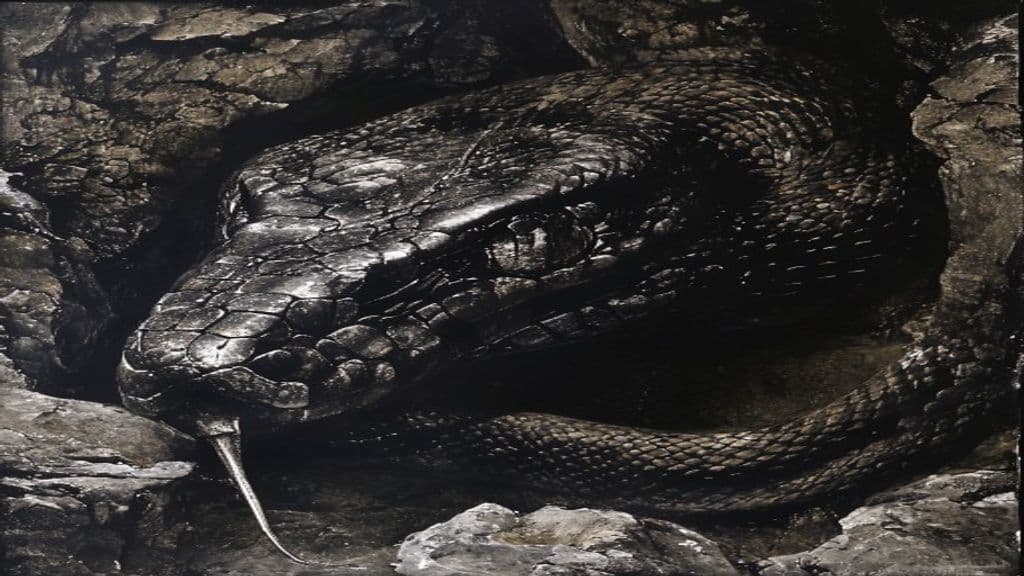
Beithir
In Scottish Gaelic tradition the beithir is a very large snakelike creature—often called a serpent or dragon—associated with mountains, corries and bodies of water. It is portrayed as venomous and deadly in local tales, linked in etymology and interpretation to lightning/thunderbolt imagery, and classed among water-associated monsters (fuath).
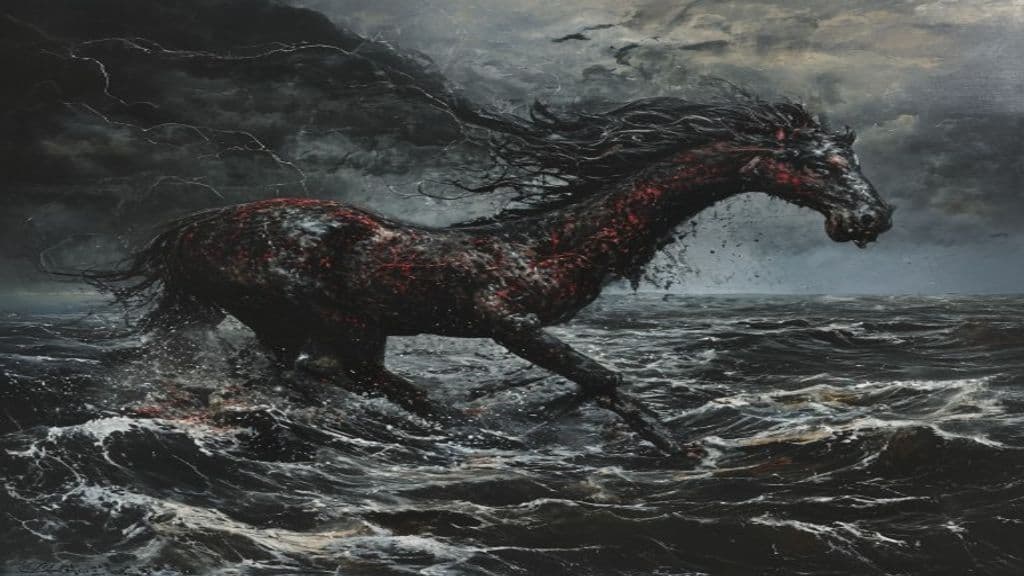
Nuckelavee
The most terrifying creature of Orcadian folklore — a skinless, horse-headed demon of the sea whose breath spreads plague and whose presence causes crops to wither. It cannot cross fresh water.
Community Record
- [1]Fuath - Wikipedia. Wikipedia contributors, 'Fuath,' Wikipedia, The Free Encyclopediawiki
- [2]Beithir - Wikipedia (mentions relationship to fuath as class). Wikipedia contributors, 'Beithir,' Wikipedia, The Free Encyclopediawiki
- [3]Genealogies from Rawlinson B 502 (contextual Celtic materials). University College Cork CELT project, Rawlinson B 502 materialacademic