Godform is not presented as a mythic origin story in the sources but as an emergent, processual concept appearing across multiple contemporary contexts. It is described variously as a magical technique (e.g., Mark Stavish's titled technique 'Assumption of Godform'), as named ritual products sold or posted online (SubscribeStar 'Godform Ritual' entries), and as an artistic project that aims to 'deify' invented figures (fRaTeR hAtEr's GEZORA). The idea thus arises from modern practitioners and creators who construct or assume divinized personae through ritual, visualization, or creative media rather than from a single traditional myth.
No single canonical appearance is given. A godform's look is variable and determined by the specific persona being assumed or invoked: historical persons visualized as archetypal figures (forum examples invoking Walt Whitman or Oscar Wilde), syncretic conjure figures referenced by ritual titles (e.g., 'John the Conqueror' in SubscribeStar listings), or invented/monstrous archetypes in artistic works (fRaTeR hAtEr's description of GEZORA resonating with Leviathan, Apep, and Cthulhu). Many usages emphasize internal visualization or conceptual persona rather than fixed visual iconography.
Sources do not provide a unified catalogue of supernatural powers. Materials describe godforms primarily as techniques or constructs that practitioners claim enable psychospiritual change: visualization and 'assumption' practices purportedly let a practitioner adopt attitudes, archetypal qualities, or resonances associated with the chosen persona (Mark Stavish; forum discussions). Artistic projects present godforms as loci for thematic or symbolic potency (e.g., deifying GEZORA to evoke primordial/chaotic imagery). Claims of social or psychological influence (mutual worship, identity manipulation) appear in forum discussions. The corpus lacks concrete, shared descriptions of literal world-altering abilities.
Weaknesses
- conditionrefusal to participate / psychological boundary-setting
Wards
- conditiondecline to visualize or adopt the persona; maintain group/mental boundaries
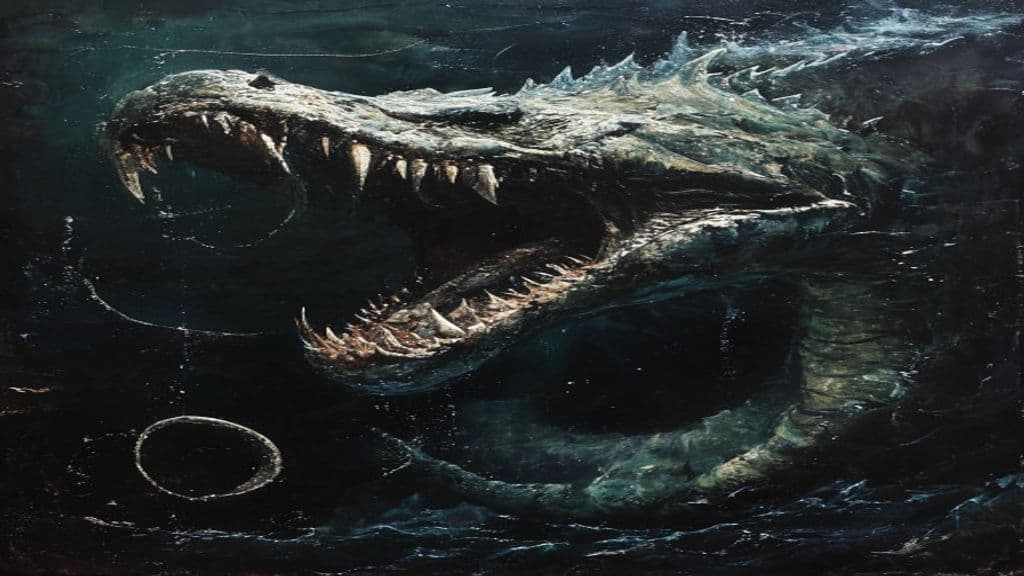
Leviathan
A giant sea serpent in Jewish mythology, embodying chaos and serving as a metaphor for a powerful enemy. (Note: - Power tier should be Ancient (Leviathan's abilities are often described as deity-level, such as threatening the damned after their lives are over and being annihilated) - Appearance is not mentioned)

Apep
Apep (also Apophis or Aphoph) is the ancient Egyptian serpent-like embodiment of chaos and darkness who recurrently assaults the solar barque of Ra, representing the ongoing threat to cosmic order (Maat). Ritual texts in the Egyptian corpus contain spells framed to smite or repel Apep and protect the sun's passage.
Community Record
- [1]Assumption of Godform. Mark Stavish, 'Assumption of Godform' (title and technique reference).other
- [2]Godform Rituals collection (SubscribeStar). SubscribeStar 'Godform Ritual' posts (titles: 'Van Van', 'Sun and Mars', 'John the Conqueror', 'Luck' etc.; dates and paywalled ritual offerings).other
- [3]TFR11 - fRaTeR hAtEr - IA IA GEZORA (archive). fRaTeR hAtEr album notes: 'The function of the album is the deification of GEZORA as a godform...' (artistic deification example).literary
- [4]Barbelith forum — 'Whitman as a godform' and related threads. Forum posts discussing visualising/evocating historical figures (Walt Whitman, Oscar Wilde) as godforms and mutual worship/identity-play commentary.folk
- [5]Metal reviews referencing 'Assuming the Godform' / 'Godform' works. Album/review contexts that use 'godform' in metal subcultural aesthetics (review and title references).other
- [6]Archive: 164BEATDOWNCREW - BRUTALITY AROUND THE WORLD VOL. 1 (compilation). Contextual archive item referencing musical/compilation usages in subcultural music scenes where 'godform' aesthetics appear.other
- [7]The Godform Assuption of StarCrow the Wise (forum example). Community/forum use of 'godform assumption' in roleplay/ritual contexts (example thread).folk
- [8]Channelform (Pluralpedia). Related contemporary idea of 'channelform' indicating conceptual overlap with channeling/assuming identities.other