Sources present the Horned Serpent not as a single origin myth but as a recurring mythic figure embedded in local cosmologies. In North American traditions it appears as an ancient aquatic or underworld-associated being that figures in ritual life and in stories of encounter (Cherokee Uktena, Sioux Unhcegila, Muscogee estakwvnayv). In Eurasian/Celtic contexts the ram‑horned serpent appears as a cult image paired with antlered nature deities (e.g., Cernunnos) and is interpreted as a symbol of fertility and regeneration. The provided materials do not contain a single unified origin account; rather they show the motif recurring as an indigenous spirit-being and as a ritual/cult image across separate cultural histories.
Generally described as a large serpent with horns (horn forms vary from stag-like antlers to ram-like horns). Muscogee descriptions emphasize an underwater serpent covered with iridescent, crystalline scales and a single large forehead crystal; Cherokee Uktena is described (Mooney) as as large as a tree trunk, with horns, a bright blazing crest or diamond on its forehead (Ulun'suti), scales that glow like sparks of fire, and rings or spots of color along its length. Eurasian iconography shows ram-horned serpents often paired with horned/nature gods in stylized art.
Across sources the Horned Serpent is associated with water, storms, thunder and lightning, and with fertility/regenerative power. Muscogee accounts attribute iridescent/crystalline scales and a forehead crystal prized for divination and ritual power; the horns (chitto gab-by) are reported as used in medicine. The Muscogee informant Jackson Lewis describes a benign form that exerts a 'magnetic power over game.' Cherokee Uktena traditions (Mooney) attribute deadly properties to the being: a pestilential breath that can kill, and the peril that merely seeing the sleeping Uktena brings death to a hunter's family; the Uktena’s life is said to be accessible only by a precise wound (the seventh spot from the head). Sioux Unhcegila traditions present reptilian water monsters of ancient times that were destroyed by Thunderbirds, indicating cosmological interactions among powerful beings. Iconographic contexts link the serpent to concentrated sacred potency rather than ordinary zoology.
Weaknesses
- conditionSeventh spot from the head (Cherokee/Uktena vulnerability)
- conditionDestruction by Thunderbirds (Sioux/Unhcegila cosmological defeat)
Wards
- ritualYuchi effigy-making (deerhide effigies painted blue with antlers painted yellow)
- ritualYuchi Big Turtle Dance (ceremony honoring the Horned Serpent's spirit)
- otherUse of material parts by specialists (horns 'chitto gab-by' used in medicine; scales/crystals kept as divinatory/medicinal objects)

Unk Cekula
Unk Cekula is a serpentoid supernatural creature in Lakota mythology identified as responsible for many unexplained disappearances and deaths; a male counterpart is named Unk Tehi. Sources classify the figure as a mythological serpent within Lakota narrative material and note a possible relation to broader North American 'horned serpent' traditions.
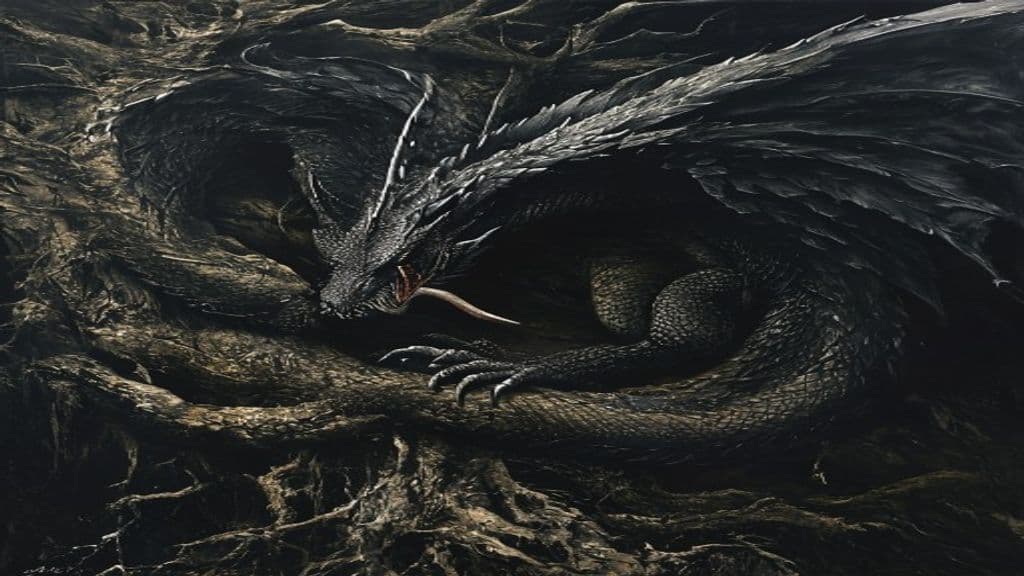
Níðhöggr
The corpse-gnawing dragon coiled around the roots of Yggdrasil, ceaselessly chewing the World Tree — and destined to survive Ragnarök and carry the dead on its wings.
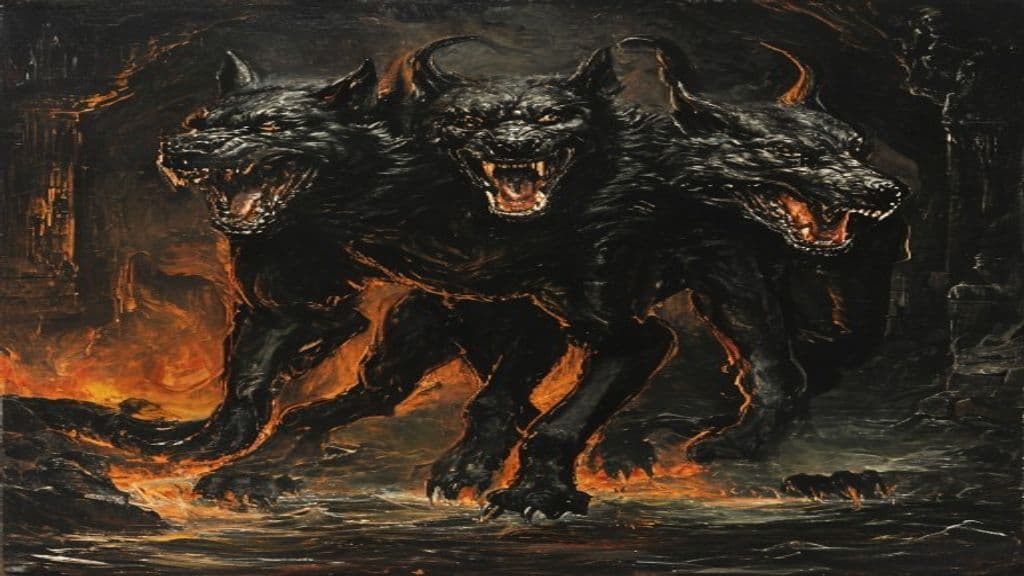
Cerberus
The three-headed hound of Hades, guardian of the underworld's gates — welcoming the dead in but allowing no shade to leave and no living mortal to enter uninvited.
Community Record
- [1]Horned Serpent - Wikipedia. Wikipedia contributors, 'Horned Serpent', Wikipedia, The Free Encyclopedia.wiki
- [2]The Horned Serpent of Tepozán and the agricultural cults in the rock art of Aguascalientes. Arte, Imagen y Sonido: 'The Horned Serpent of Tepozán and the agricultural cults in the rock art of Aguascalientes' (abstract/article).academic
- [3]Horned Serpents and Petroglyphs: Lake Monsters in Michigan. Fate Magazine blog post on horned-serpent petroglyph motifs.other
- [4]Raised by Wolves: The Horned Serpent - Nick Bythrow. Substack essay 'Raised by Wolves: The Horned Serpent' by Nick Bythrow (popular synthesis/commentary).other
- [5]Old European culture: Horned serpent. Blog post discussing ram-horned serpent imagery in Old European/Celtic contexts.other
- [6]Archive: Merciless Onslaught for January 10, 2023. Archive.org item included among supplied materials (used only to note motif's presence in popular culture references).other
- [7]Archive: Belstler Hans Du Stehst Im Volk 1943 54 S.. Archive.org item included among supplied materials (not ethnographic on the serpent; cited as part of supplied links).other
- [8]Archive: Bible side-lights from the mound of Gezer. Archive.org item included among supplied materials (not ethnographic on the serpent; cited as part of supplied links).other
- [9]Additional web references and blog posts supplied with dataset. Various supplied web links and blog posts referenced in research notes (used to contextualize motif distribution; primary ethnographic claims are drawn from the Wikipedia summary and cited Mooney/Yuchi/Muscogee/Sioux descriptions therein).other