No specific origin myth for an individual idis survives in the provided sources. The evidence instead records the idis as a lexical and poetic category across Germanic languages—Old Saxon idis (pl. idisi), Old High German itis, and Old English ides—used to denote a dignified or well‑respected woman and applied in contexts that treat such figures as divine or semi‑divine. Comparative commentary in the material links the idis to the Old Norse dísir and to wider Germanic female supernatural conceptions (e.g., possible overlap with valkyrie or goddess motifs), but these comparative links are presented as interpretive and not as preserved, single‑text origin narratives.
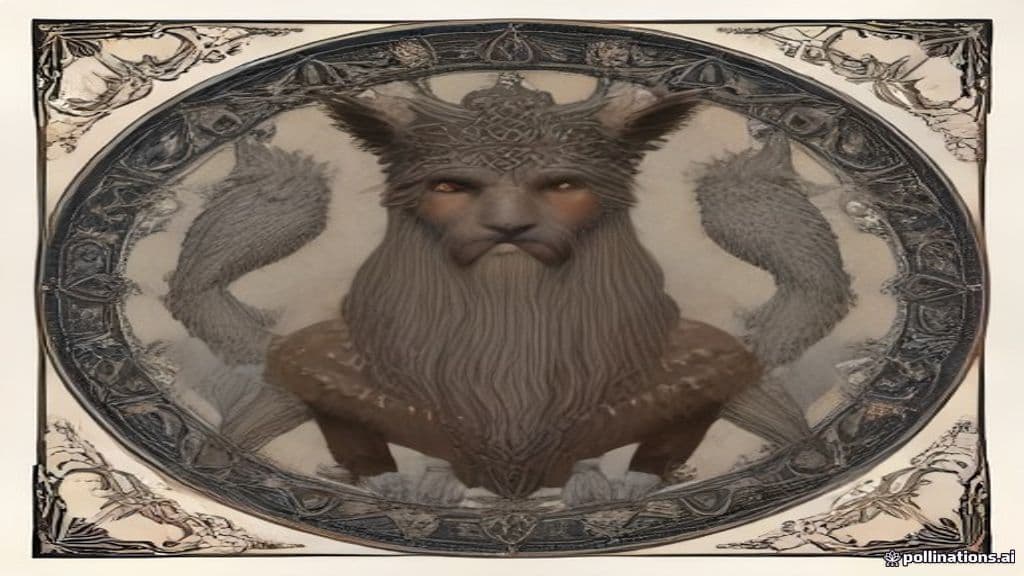
The supplied sources do not preserve a consistent physical description for idisi. Attestations are lexical and poetic rather than iconographic: kennings and poetic lines (e.g., references in the Poetic Edda/Grímnismál corpus cited) invoke idis/Idja in metaphorical language such as "Idis shining speech," implying a respected female supernatural presence with agency and voice. Beyond the categorization as a female divine/supernatural being, specific bodily attributes, attire, or standard iconography are not attested in the provided material.
Direct, systematic lists of powers are not supplied in the provided sources. The corpus suggests idisi function as supernatural female personages who may exercise agency in human affairs: poetic usage embeds them as named figures in mythic speech, and fragmentary folkloric material implies protective or guardian roles (one forum‑reported tale variant describes a woman revealed to be a guardian idis acting to protect a warrior, though that source is folkloric and marked uncertain). Scholarly and popular discussions compare idisi to Norse dísir and sometimes to valkyrie or goddess categories, framing them as potentially involved in fate, protection of kin or warriors, or ritual memory—while stressing that such links are interpretive and not fully attested in the surviving fragments.
Community Record
- [1]Idis (Germanic) - Wikipedia. Wikipedia, "Idis (Germanic)"wiki
- [2]Dance in the Northern Tradition (fragment). Frigga's Web, "Dance in the Northern Tradition" (fragmentary comparative discussion)folk
- [3]The Poetic Edda: Grímnismál (excerpt). Grímnismál (Poetic Edda) as presented on GermanicMythology.com, kennings referencing Idjaliterary
- [4]dChan - Q Origins Project Archive (forum excerpt). dChan - Q Origins Project Archive, forum post mentioning a folkloric tale variant in which a woman is a guardian idisfolk
- [5]Idis project page (Leibniz ZAS project archive). Leibniz Zentrum Allgemeine Sprachwissenschaft project archive entry on Idisother
- [6]Valkyrie - Alchetron (comparative discussion). Alchetron, "Valkyrie" (discussion noting possible terminological overlap with 'ides'/'idis')other