No mythic narrative origin story for Ilib survives in the preserved Ugaritic texts. The term appears in two primary senses in the corpus and in modern scholarship: (1) as a theogonic ancestor occupying a place before or among the earliest divine generations—i.e., a progenitor of the family of El as argued by scholars such as Dennis Pardee—and (2) as a generic household ancestor or 'family deity' (a term used to refer to a dead father or ancestral spirit) as argued by John F. Healey. Some scholars (e.g., Karel van der Toorn) propose that both senses coexisted or that the divine figure may reflect household ancestor beliefs; Hurrian and Akkadian renderings in Ugarit show the concept was treated in multilingual ritual lists (Hurrian eni/enna attanni; Akkadian ilabi) and positioned early in offering sequences.
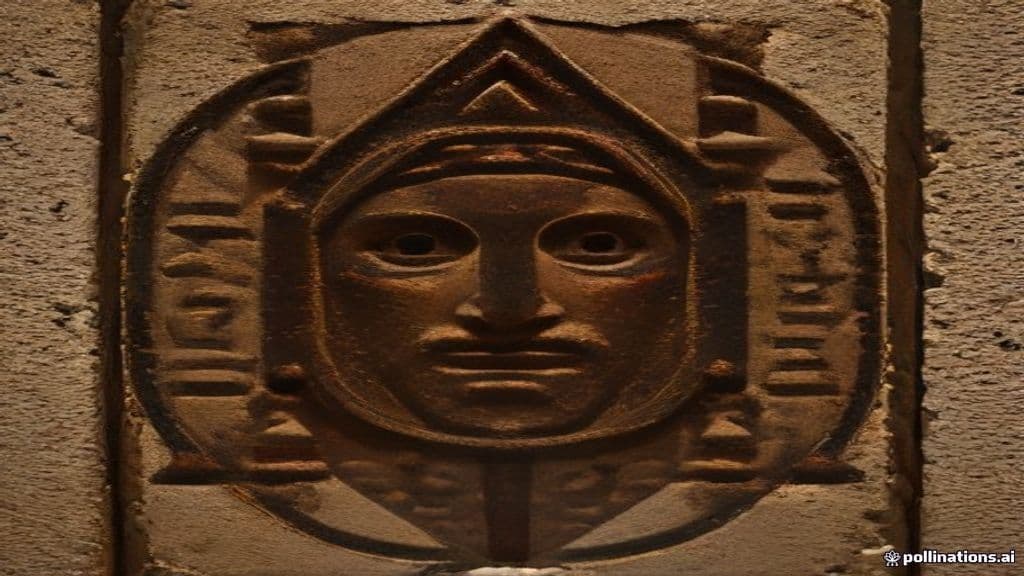
No surviving descriptive texts or iconographic depictions for Ilib are preserved in the cited materials. Attestations are ritual and onomastic; the sources do not provide anthropomorphic or symbolic attributes, and there is no surviving description of physical appearance for either the theogonic figure or the household ilib.
The textual evidence does not attribute narrative deeds, miracle-working, or defined mythic actions to Ilib. Functional roles attested in ritual and literary sources are: (1) a theogonic/ancestral role when read as a deity—placed before or among the earliest divine figures (an ancestor of El and the divine family); (2) a cultic recipient role—Ilīb is named in offering lists and temple sacrificial contexts (sacrifices of cattle and rams are mentioned in KTU 1.162; a burnt offering and a lamb in an urbt are recorded in KTU 1.109); and (3) a domestic/filial role when read as a generic ancestral spirit—sons were expected to set up stelae and provide memorial cult for their father's ilib (Epic of Aqhat). Interactions with humans are therefore primarily cultic and commemorative rather than adversarial or interventionist.
Weaknesses
None recorded.
Wards
- otherNo attested warding practices

Community Record
- [1]Ilib (Wikipedia). Wikipedia, article 'Ilib' (accessed via provided research notes)wiki
- [2]KTU 1.162; KTU 1.109 (Ugaritic ritual texts, cited in summary). Ugaritic ritual and offering lists (KTU 1.162; KTU 1.109) cited in the research notes describing offerings and temple contexts for Ilibacademic
- [3]Epic of Aqhat (Ugaritic literary text, cited in summary). Epic of Aqhat passage cited in the research notes instructing that a son should set up a stela for his father's ilibliterary
- [4]Scholarly assessments collected in research notes (Healey, Pardee, van der Toorn, Lambert). Modern scholarly discussion summarized in the research notes: John F. Healey (family-ancestor reading), Dennis Pardee (theogonic deity reading), Karel van der Toorn (both senses coexist), Wilfred G. Lambert (comparison to Ilaba)academic