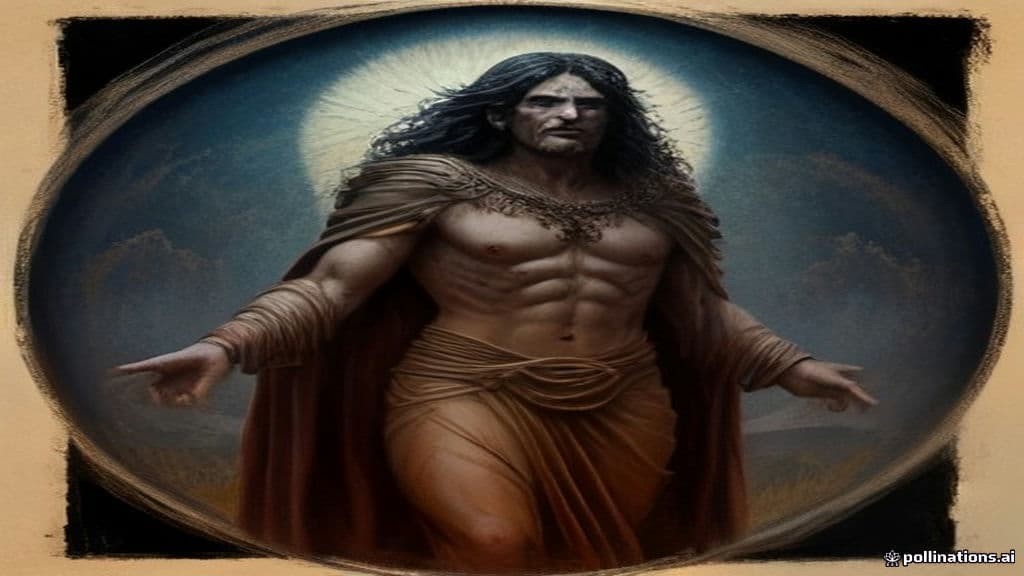
Two distinct usages of the theonym appear in the surviving record. One usage identifies Imbrasus as a river-god of the island of Samos, placed genealogically among the river-deities conventionally counted as children of the Titans Oceanus and Tethys; in that genealogy he is named husband of the nymph Chesias and father of Ocyrrhoe. The other usage is as a Thracian father-figure in epic genealogy, named as the father of Asius and of Peirous, a Trojan leader of the Trojan War generation. The surviving citations preserve only these genealogical and toponymic connections rather than a founding myth or narrative account for either figure.
No physical description, iconography, or descriptive epithets for Imbrasus are preserved in the provided sources. The extant notices record names and genealogical relations but do not supply anthropomorphic details or imagery for either the river-god or the Thracian pater.
The cited materials do not record specific powers, deeds, or characteristic actions for Imbrasus. He is attested only by name and family relations: as a named river-god (a local theonym tied to a Samian river) and as a named father in Trojan-war-era genealogies. Classification here as a localized river-deity is an editorial grouping based on genre (potamos) in Greek myth rather than a description of documented functions in the cited texts.
Community Record
- [1]Imbrasus — Wikipedia. Wikipedia contributors, 'Imbrasus,' Wikipedia, The Free Encyclopedia.wiki
- [2]LP0079 -V ARGONAUTS- Launch of the Argo, from The Fables of Hyginus (archive). Hyginus, as excerpted in 'The Fables of Hyginus' (Argonauts / place-name notice), cited in the provided archive passage linking an island-name Imbrasus/Parthenia to Samos.literary
- [3]Imbrasus — Wikidata. Wikidata entry Q12872560 for Imbrasus.other