
Attested in modern summaries and in priestly succession lists derived from ancient sources (notably the priestly lists preserved in Josephus as represented in secondary compilations), Jesus son of Fabus appears as a son of the Fabus/Phabet/Phiabi family and as holder of the high priesthood in the period when Herodian and Roman authorities appointed and removed high priests. Secondary sources and encyclopedic entries compile his name and succession placement but provide varying chronologies and sometimes conflate similar patronymics; the result is a fragmentary historical attestation situating him within the politically charged rotation of Temple high priests in the late 1st century BCE / early 1st century CE.
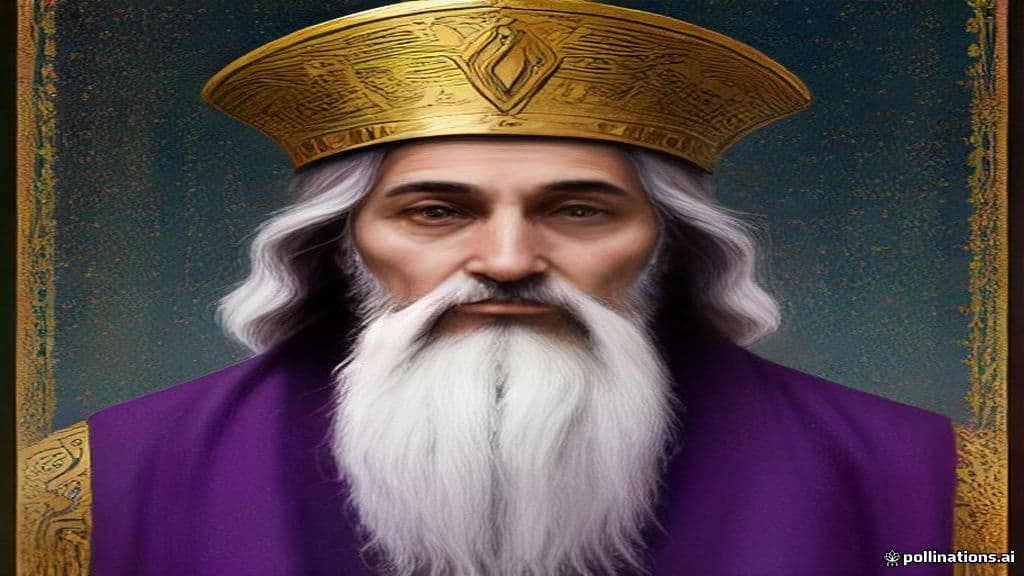
No contemporary physical description of Jesus son of Fabus is preserved in the supplied sources. Surviving materials record only his name and patronymic and his place in lists of high priests; any reference to the trappings of the high priesthood is general (the office of Rosh ha‑Kehunah) and not a personal depiction of this individual.
Sources do not attribute supernatural powers to Jesus son of Fabus; he is presented as the human officeholder of the high priesthood. By virtue of that office he would have been expected to perform central cultic and administrative functions associated with the Rosh ha‑Kehunah (Temple rites and oversight of priestly service), but the provided materials do not detail his personal conduct or specific ritual acts. Multiple sources note his tenure and removal were effectuated by ruling authorities (e.g., removed by Herod; served under Valerius Gratus in the era when procurators influenced appointments), indicating his position was contingent on Herodian and Roman political power.
Weaknesses
- conditionpolitical dependence on Herodian/Roman appointment and removal
Wards
None recorded.
Community Record
- [1]Jesus, son of Fabus (Wikipedia). Wikipedia, entry 'Jesus, son of Fabus'wiki
- [2]Jesus (Wikipedia). Wikipedia, entry 'Jesus' (used in comparative naming discussion in sources)wiki
- [3]Josephus, Antiquities Book XX (priestly succession lists). Josephus, Antiquities, Book XX (as cited in secondary lists of high priests)literary
- [4]Simon son of Boethus (Wikipedia). Wikipedia, entry 'Simon son of Boethus' (contextual succession and removal by Herod)wiki
- [5]Forum discussion and commentary (miscellaneous secondary notes). EarlyWritings forum (secondary commentary referenced in research notes)other