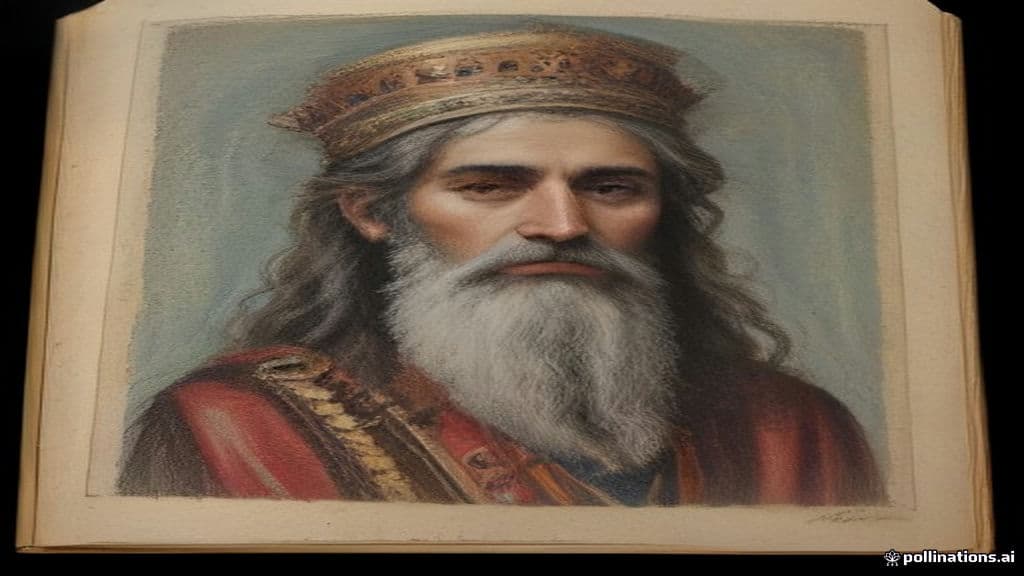
The sources present John Hyrcanus as the son of Simon Thassi of the Hasmonean family who inherited the high priesthood and leadership of Judea in the mid-2nd century BCE. Greek-language historians use the epithet 'Hyrcanus' or 'Hyrkanós', a name whose precise origin is disputed in scholarship (proposed explanations include familial association with Hyrcania, a Hellenistic regnal name, or a name tied to military service alongside Antiochus VII). Rabbinic literature records his Hebrew name and priestly title as Yoḥanan Cohen Gadol.
The provided sources do not supply a physical or anthropological description of John Hyrcanus beyond his offices (High Priest, ethnarch) and his actions as a political and military leader.
Described as a historical actor, Hyrcanus held combined political and religious authority as high priest and ruler, secured Judean independence from Seleucid control, expanded Hasmonean territory (including capturing Samaria and Idumaea), destroyed the Samaritan temple at Mount Gerizim, incorporated and required conversion of the Idumaean population, employed foreign troops, negotiated truces and paid tribute under duress (e.g., to Antiochus VII), and made strategic administrative and military decisions during sieges and campaigns.
Community Record
- [1]John Hyrcanus (Wikipedia). Wikipedia contributors, 'John Hyrcanus,' Wikipedia, The Free Encyclopedia.wiki
- [2]John Hyrcanus (Wikidata). Wikidata entry Q319043 for John Hyrcanus.other
- [3]Old Testament history (archive.org listing). Peri, Old Testament History (archive listing).other
- [4]The Bible as History : a confirmation of the Book of Books (archive.org listing). Kellogg, The Bible as History (archive listing).other
- [5]Jeesus EI ollut juutalainen - Jesus was NOT a Jew (archive.org listing). Polemical work listed on archive.org (cited in research notes as present but ideologically biased).other