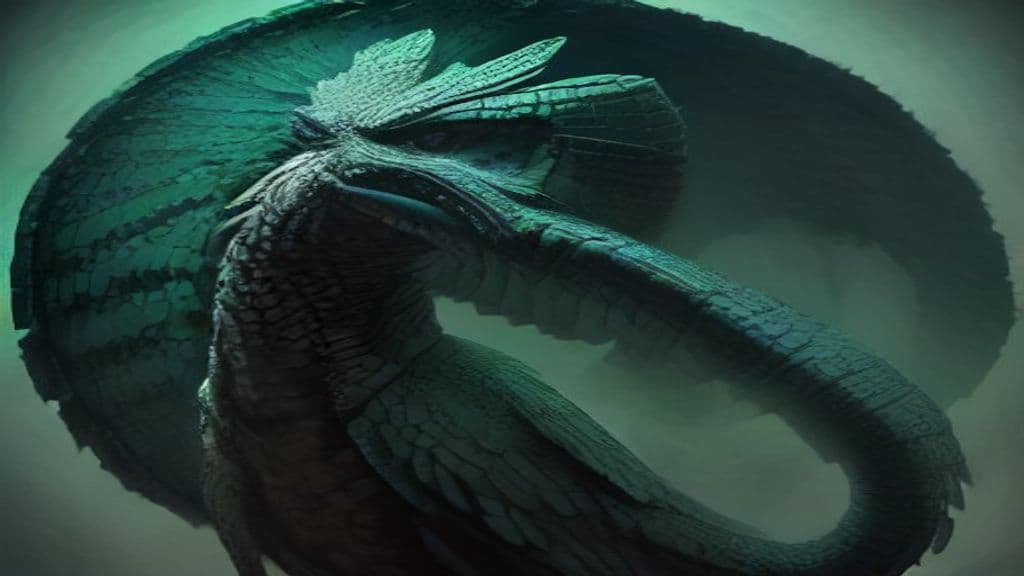
Sources identify Kukulkan as a long‑standing Maya plumed‑serpent figure with Classic‑period antecedents. In Classic Maya contexts the serpent figure appears as the Vision Serpent used in courtly ritual and named in inscriptions often associated with a snake deity form (rendered in later sources as Kʼukʼulkan). Postclassic Itza worship made Kukulkan the territorial divinity of polity centers such as Chichén Itzá and later Mayapán. Regional oral tales preserve varied origin motifs (for example, Yucatec tales in which Kukulkan is born as a boy who is also a snake, and Lacandon accounts in which Kukulkan is a monstrous snake associated with the sun god); these folkloric narratives coexist with the archaeological and epigraphic record.
Iconographically Kukulkan is a feathered or plumed serpent (the name combines kuk 'feather' + kan 'snake'), often depicted as a large coiling serpent in Classic art (the Vision Serpent) and as monumental feathered‑serpent sculptures in Postclassic sites. Some Postclassic and regional sculptures show composite elements (for example, serpent mouths with protruding human warrior heads reported in northern Belize). Folktales sometimes describe him as a boy born as a snake, a winged serpent that flies to the sun, or as a monstrous snake (Lacandon account); these narrative descriptions differ from, but relate to, the archaeological plumed‑serpent imagery.
Across sources Kukulkan functions as a mediator between rulers and gods in Classic ritual (the Vision Serpent), presides in iconography over sacrifice scenes at sites like Chichén Itzá, and in Postclassic contexts symbolizes territorial divinity and political authority. Folkloric motifs attribute meteorological and environmental influence to Kukulkan — for example, modern Yucatec tales report that Kukulkan travels ahead of the rain god Chaac, moves winds with his tail, helps predict rains, and in one tale causes annual earth tremors in July to show he is alive. Lacandon narratives depict him interacting with the sun god and causing large‑scale destruction in mythic episodes. Sources also attest to institutional cultic roles (priests and a politically powerful high priest at Mayapán) rather than detailed magical procedures.

Quetzalcoatl
Quetzalcoatl is the central Mesoamerican 'Feathered' or 'Plumed Serpent' figure prominent in Aztec and broader pre-Columbian religious thought, associated with wind (Ehecatl), the planet Venus, learning, arts and crafts, merchants, and the priesthood. Represented as a hybrid serpent-and-bird emblem, Quetzalcoatl functions as both a deity and an organizing sacred principle linking sky and earth.
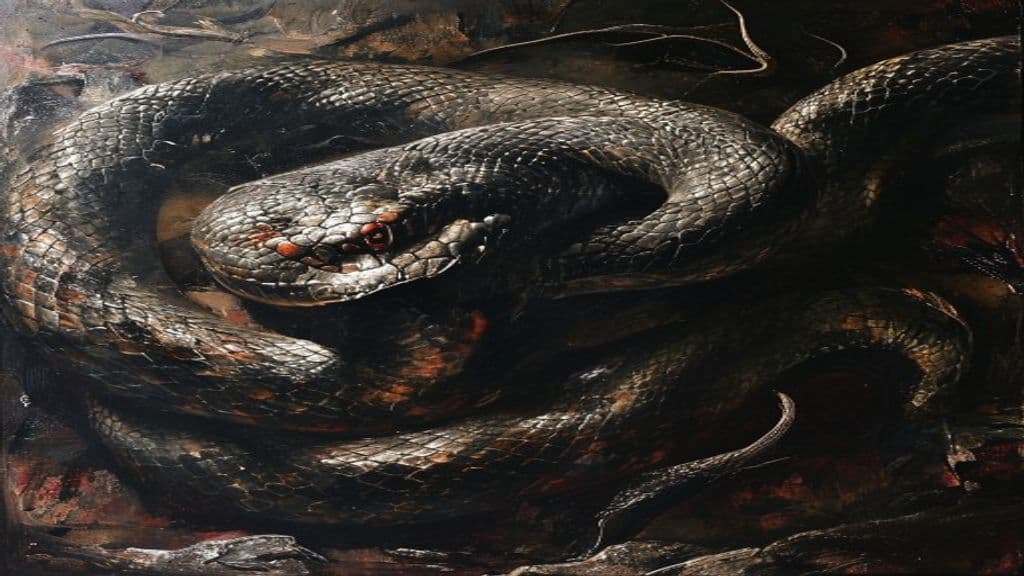
Vision Serpent
Central figure in Pre-Columbian Maya mythology, symbolizing divine power and wisdom, often associated with visions or insights. (Note: - Power tier: downgrade to Ancient (deity-level) as Primordial implies a cosmic or world-shaping entity, which may be too powerful for this entity. - Appearance: add "usually depicted" to indicate tha)
Community Record
- [1]Kukulkan — Wikipedia. Wikipedia contributors, 'Kukulkan', Wikipedia, The Free Encyclopediawiki
- [2]Kukulkán — Wikidata. Wikidata entry Q20246720 'Kukulkán'wiki
- [3]The Plumed Serpent's gold (archive listing). Archive catalog for 'The Plumed Serpent's Gold' (secondary literature referenced in research notes)other
- [4]Transcending Race (archive listing). Archive catalog entry referenced in research notesother
- [5]Tim Boucher — Kukulkan (Mayan mythology, serpent). Tim Boucher, 'Kukulkan (Mayan mythology, serpent)' (online summary used in research notes)other
- [6]Selected folkloric and scholarly excerpts compiled in research notes. Compiled research notes provided by user (summarizing archaeologic, iconographic, and folkloric material on Kukulkan)other