According to the genealogical summaries preserved in Greek mythographic tradition, Labdacus was the only son of Polydorus and Nycteïs (daughter of Nycteus) and the grandson of Cadmus, founder of Thebes. Polydorus' death left Labdacus a child; during his minority regents (including Lycus) exercised power in Thebes. Labdacus later briefly ruled Thebes in the sequence of Theban kings and fathered Laius. Ancient summaries preserve variant accounts of his death: one tradition (attested in summaries of Apollodorus) says he opposed the cult of Dionysus and was killed by the god's frenzied devotees (Maenads), paralleling the fate of Pentheus; another tradition reports that he died young after losing a border war with Pandion, king of Athens. After his death Lycus again became regent for Labdacus's son Laius, and Labdacus's descendants were called the Labdacids.
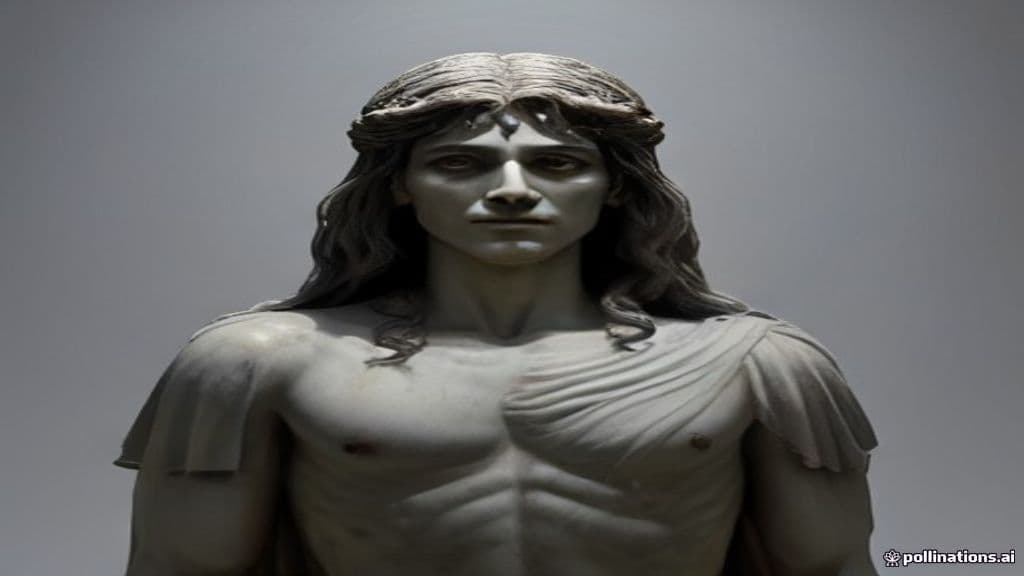
The provided sources do not supply a detailed physical description. The name is glossed in modern summaries as literally meaning 'lame' or 'defective in the legs' (Ancient Greek: Λάβδακος), but no ancient textual portrait, clothing, insignia, or iconography for Labdacus is described in the cited materials.
Sources treat Labdacus as a mortal king and dynastic ancestor rather than a supernatural agent. His roles/functions in the tradition are political and genealogical: briefly ruling Thebes, fathering Laius, and serving as the eponymous ancestor of the Labdacids. Some accounts characterize him behaviorally as opposing the cult of Dionysus, a stance that in certain traditions leads to his violent death at the hands of Dionysian devotees; no supernatural powers or abilities are attributed to him in the provided material.

Cadmus
Cadmus is a legendary Phoenician prince and culture-hero in Greek myth, credited with founding Thebes, slaying a local dragon/guardian, marrying Harmonia, and—by some ancient sources—bringing a Phoenician script to Greece.
Polydorus
Polydorus (Ancient Greek: Πολύδωρος, 'many-gifted') is a personal name borne by several distinct mortal figures in Greek myth and later cultural references, including Theban and Trojan princes, a warrior in the Trojan cycle, historical/legendary rulers, and a Roman-period sculptor. The name recurs across genealogies and narratives rather than denoting a single supernatural class or spirit.

Lycus
Lycus (Ancient Greek: Λύκος, lit. 'wolf') is not a single supernatural being but an ancient Greek personal name and toponym applied to multiple mythological human figures (notably regents and rulers in Theban cycles) and to several rivers across the classical world. The extant sources present Lycus primarily as mortal mythic actors or as geographic names rather than as an independent class of spirit or creature.
Community Record
- [1]Labdacus (Wikipedia). Wikipedia contributors, 'Labdacus', Wikipedia, The Free Encyclopediawiki
- [2]Theban kings in Greek mythology (Wikipedia). Wikipedia contributors, 'Theban kings in Greek mythology', Wikipedia, The Free Encyclopediawiki
- [3]Apollodorus (summary in modern repositories). Archived recordings/translations summarizing Apollodorus as cited in research notesother
- [4]Labdacus in Greek Mythology - Greek Legends and Myths. GreekLegendsAndMyths.com, 'Labdacus in Greek Mythology'other
- [5]Wikidata: Labdacus. Wikidata entry for Labdacuswiki