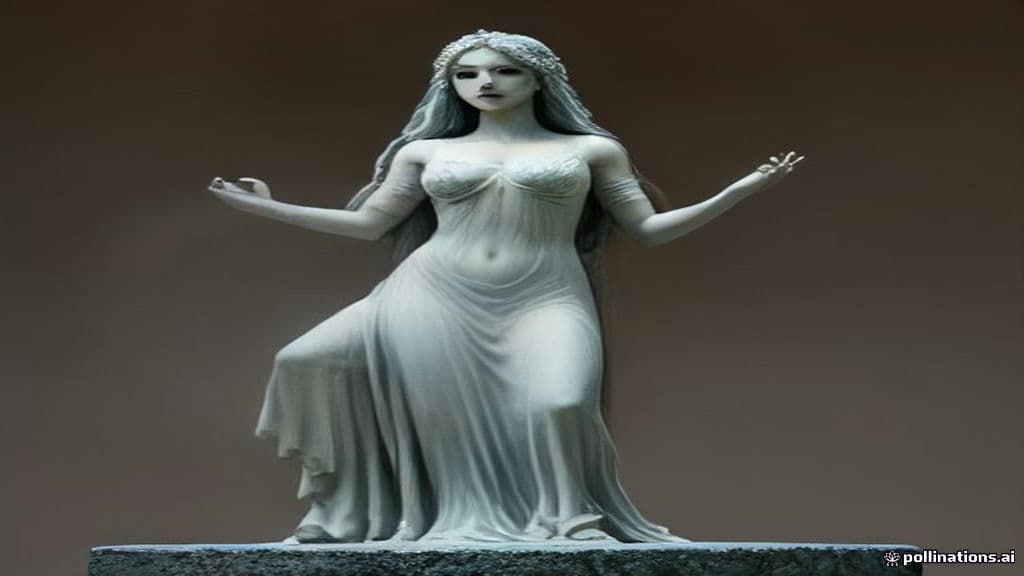
Laodamia is not a single origin figure but a name attached to multiple mythic women across Greek tradition. Notable attestations include: (1) Laodamia, daughter of Bellerophon, a Lycian princess who in one account is mother of Sarpedon by Zeus (a Homeric/epic variant); she is also said in some traditions to have died suddenly, shot by Artemis while weaving; (2) Laodamia, daughter of Acastus and Astydamia, wife of Protesilaus, whose husband died at Troy and who, according to later retellings, killed herself rather than live without him and was granted a brief reunion with his phantom (some sources specify a three‑hour visitation). Other bearers of the name appear in varied genealogies (e.g., Arcadian and Spartan contexts), reflecting the name's reuse across local cycles and heroic generations.
Classical sources present the Laodamias as mortal noblewomen rather than as nonhuman apparitions. Descriptions are of ordinary human female figures within their mythic settings: the daughter of Bellerophon is portrayed as a Lycian princess; the wife of Protesilaus is presented as a Phylacian/Thessalian noblewoman. Where supernatural imagery appears in later literary reception, it concerns the phantom of Protesilaus rather than Laodamia herself.
The sources do not ascribe innate supernatural powers to any Laodamia; they are mortal actors whose lives are affected by gods and fate. Their notable behaviors and narrative consequences include bearing a divine son in one tradition (mothering Sarpedon by Zeus), suffering sudden divine‑caused death in another (Artemis striking her while weaving), and committing suicide from grief after the death of a husband (Protesilaus). In reception literature the theme appears of the gods permitting a dead husband to appear briefly to Laodamia (later accounts specify a three‑hour visit), but this is an action performed by divine agents and concerns the husband's phantom, not a power of Laodamia herself.
Weaknesses
- conditionmortal vulnerability
Wards
None recorded.
Community Record
- [1]Laodamia - Wikipedia. Wikipedia, article 'Laodamia'wiki
- [2]Laodamia - L3 (course material). Course summary 'Laodamia - L3'other
- [3]Europa (Archive LP0020) — Apollodorus excerpt (genealogical treatment). Apollodorus (as presented in Archive LP0020) noting Homeric tradition of Sarpedon as son of Zeus by Laodamia, daughter of Bellerophonacademic
- [4]Laodamia (poem) — William Wordsworth (and analyses). Wordsworth's poem 'Laodamia' and modern analyses treating the phantom visitation motifliterary
- [5]Laodamia Wife of Protesilaus - Greek Legends and Myths. Popular retelling summarizing Laodamia's suicide after Protesilaus's deathfolk
- [6]Laodamia | RPO (Representative Poetry Online). RPO entry on 'Laodamia' (reception and poetic treatments)literary