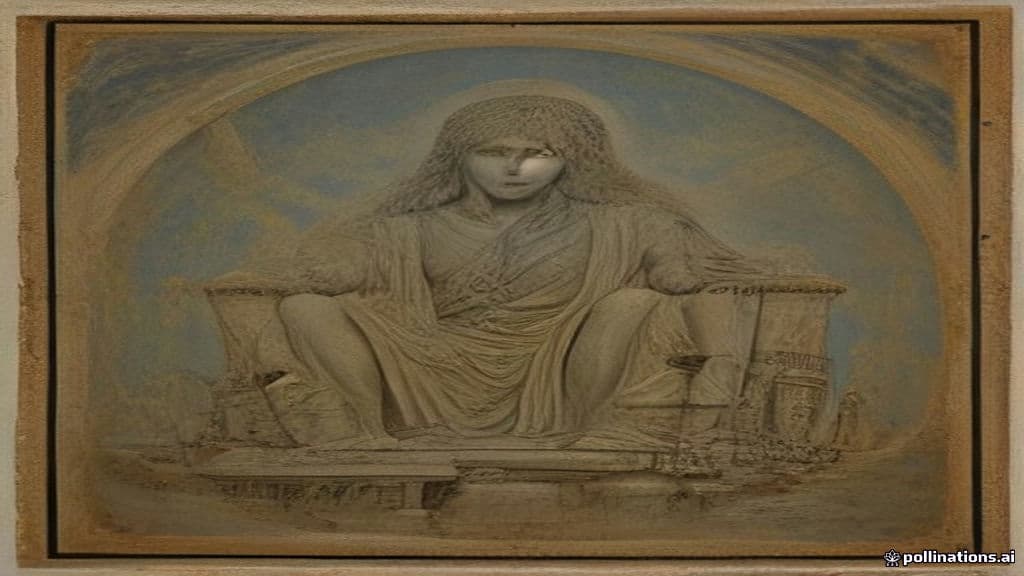
In ancient Greek sources the Leleges are presented as a pre-Hellenic indigenous people occupying parts of the Aegean littoral and southwest Anatolia. Homer lists Leleges among the allies of Troy and names a Lelegian king Altes and the city Pedasus; later authors (Herodotus, Pausanias, Strabo) discuss Leleges as an older population of Caria, the Troad, and parts of mainland Greece. Scholarly discussion recorded in the sources also notes an etymological hypothesis that the ethnonym may reflect an Anatolian word lulahi meaning 'strangers', while late mythographers supply an eponymous founder Lelex to account for the name—an explanatory device typical of Greek tribal mythography.
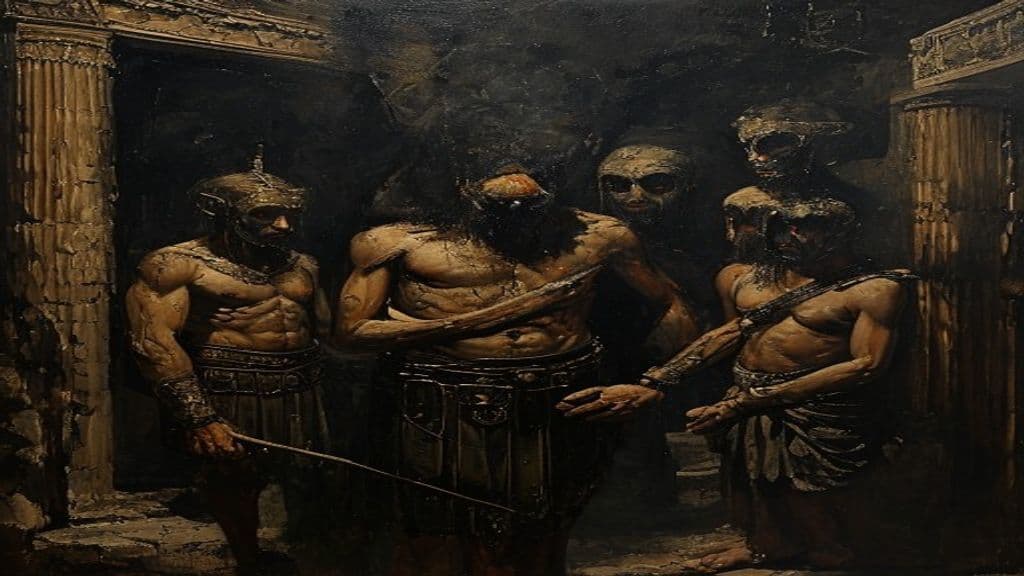
Classical sources do not preserve distinctive physical descriptions of individual Leleges. Instead the surviving record associates them with material and landscape traces: cities and towns named Lelegian (e.g., Pedasus), forts and tombs described as 'Lelegean', and cultic sites that earlier authors and travelers ascribe to pre‑Ionian inhabitants. Later accounts also depict Leleges as a lower social stratum in some regions (for example, surviving as serfs of 'true Carians' in later local tradition).
The primary 'abilities' ascribed to Leleges in the sources are social and historical roles rather than supernatural powers: they hold cities and regions in pre‑Hellenic times, appear among allied forces in epic narrative (Homeric catalogue), and are recorded in later historians and geographers as a displaced or subordinate population whose names and cultic traces persist in the landscape. There are no claims in the cited materials of magical faculties or other supernatural behavior.
Community Record
- [1]Leleges — Wikipedia. Wikipedia, 'Leleges'.wiki
- [2]Leleges — Wikidata. Wikidata entry Q375221, 'Leleges'.other
- [3]De Lelegibus et Lyciis (archive). Archive: 'De Lelegibus et Lyciis'.other
- [4]The People of Asia Minor (archive). Archive: 'The People of Asia Minor'.other