No cosmogonic or narrative birth myth for Lugala'abba survives in the cited material. Attestation contexts are primarily scribal and ritual: his name appears in god lists (including An = Anum, where he occurs twice in different positions), in the Akkadian incantation series Šurpu, on an Old Babylonian seal describing its owner as a "slave of Lugala'abba," and possibly as a temple entry from Nippur dated to the reign of Samsu‑iluna. These documentary loci — lexical lists, incantation corpora, personal onomastics, and a temple record — form the evidentiary basis for his existence and roles in Mesopotamian textual religion.
The cited sources provide no physical description, iconography, or identifiable cult image of Lugala'abba. No surviving textual or material evidence in the provided material records definitive anthropomorphic attributes, animal form, or ritual statuary for him. The absence of preserved iconographic description in god lists, the Šurpu incantation passage, the Old Babylonian seal inscription (which is onomastic rather than pictorial), and the temple entry means that his visual representation — if one existed in antiquity — is not preserved in the cited record.
Textual attestation situates Lugala'abba within a symbolic nexus of maritime and chthonic domains: he is described as a god associated with the sea and in some lists connected to the underworld. In the Akkadian Šurpu incantation series he is explicitly called "the exorcist of the gods, the pure god" and is implored to "cast a spell of life," indicating an incantatory role in purification/exorcism and the restoration of life or vitality in that ritual context. At the same time, he appears in at least one list of Asakku demons alongside hostile beings, showing that compilers sometimes grouped him with underworld or hostile entities; however, he is absent from many similar demon lists. This variability in classification across sources demonstrates ambivalence in the textual record rather than a single, consistent catalogue of powers or temperament.
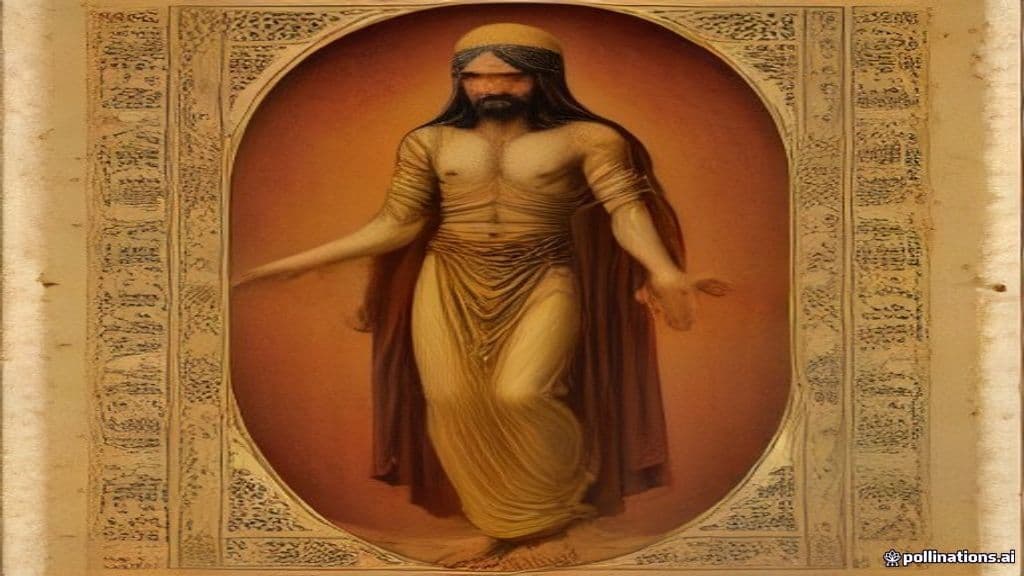
Laguda
Laguda is an ancient Mesopotamian local deity associated with maritime/coastal waters of the Persian Gulf and a named cult-place (Nēmed-Laguda). He appears in god lists, ritual/incantation corpora, literary compositions, and inophoric personal names from the Kassite and first-millennium periods, where he functions as a named maritime figure within Mesopotamian theological geography.

Inzak
Inzak is the principal deity of the ancient Dilmun pantheon and the tutelary god of the place called Agarum (also attested as Akarum/Failaka in some sources). He functions as a municipal and royal patron whose cult legitimized rulers of Dilmun and who was integrated into Mesopotamian and Elamite religious contexts where he was sometimes equated with or associated with foreign gods.
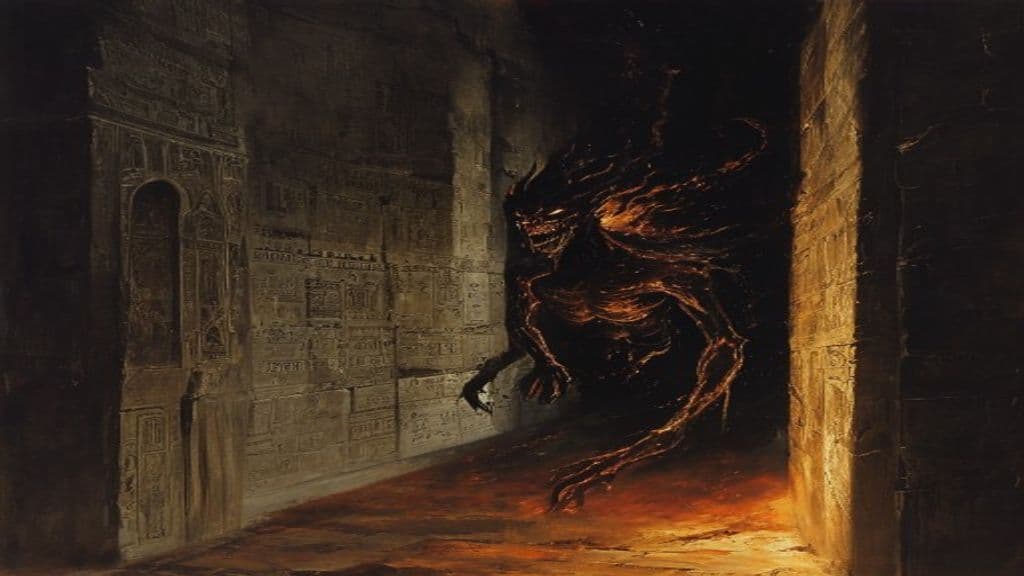
Asakku
A class of Sumerian disease-demons born from the union of heaven and earth, who lodged themselves in people's bodies and caused wasting fevers and convulsions.
Community Record
- [1]Lugala'abba. Wikipedia article "Lugala'abba" (attestations, name, associations, incantation reference).wiki
- [2]Lugala'abba (Wikidata). Wikidata entry for Lugala'abba (identification as Mesopotamian god).other
- [3]Ninmug. Wikipedia article "Ninmug" (used to contextualize scholarly discussion about NIN‑ĝa'uga / Ninmug identifications cited in Lugala'abba sources).wiki