No mythic narrative or origin myth for Luxovius survives in the provided material. The deity is known from inscriptions found at the thermal spring sanctuary at Luxeuil, where two votive dedications record worship of Luxovios (Luxovius) together with a female consort, Bricta (CIL 13.5425; AE 1951, 231 / CIL 13.5426). The sanctuary context, which also attests a solar‑wheel bearing sky‑horseman and the healing goddess Sirona, situates Luxovius within a local ensemble of healing and possibly solar/light‑linked deities rather than preserving any creation or origin tale.
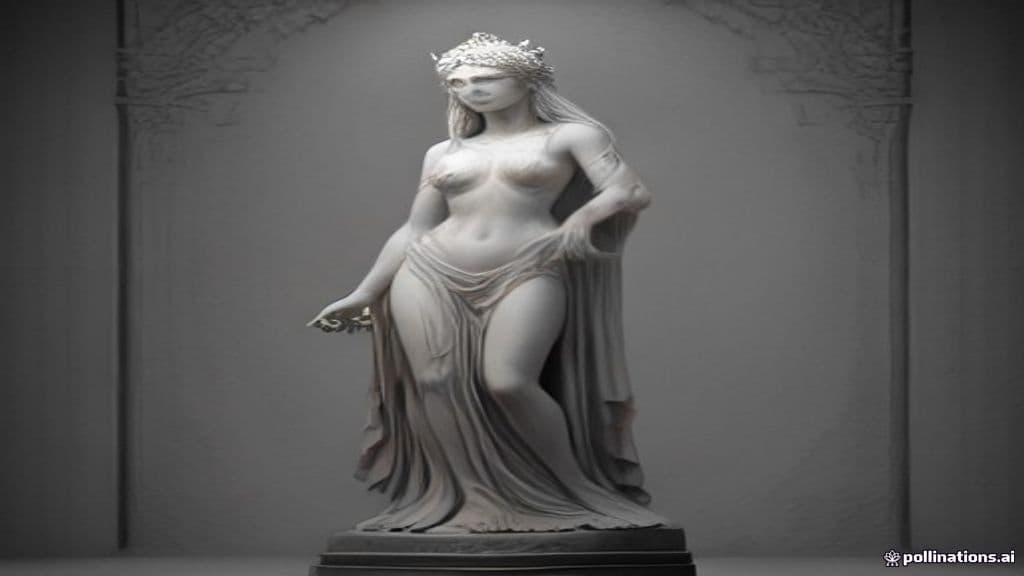
The provided sources do not preserve any direct iconography or physical description of Luxovius himself. While the Luxeuil sanctuary context includes imagery such as a sky‑horseman bearing a solar wheel and attestations of Sirona (who is iconographically known elsewhere), no depiction of Luxovius is documented in the cited inscriptions or commentary.
Attested functionally as the god of the waters of Luxeuil, Luxovius is associated with the curative properties of the local spring; the votive context implies a petitionary and thanksgiving role in healing cult practice. The name's etymological link to Proto‑Indo‑European *leuk‑ 'light, whiteness' has been interpreted to indicate a combined semantic field of light/brightness and curative spring waters, so that Luxovius may plausibly have been conceived as a light‑linked healing spring deity. Specific miraculous narratives, feats, or behavioral descriptions are not recorded in the provided material.
Community Record
- [1]Luxovius. Wikipedia: Luxoviuswiki
- [2]Corpus Inscriptionum Latinarum entry (Luxeuil inscriptions). CIL 13.5425; CIL 13.5426 (AE 1951, 231)academic