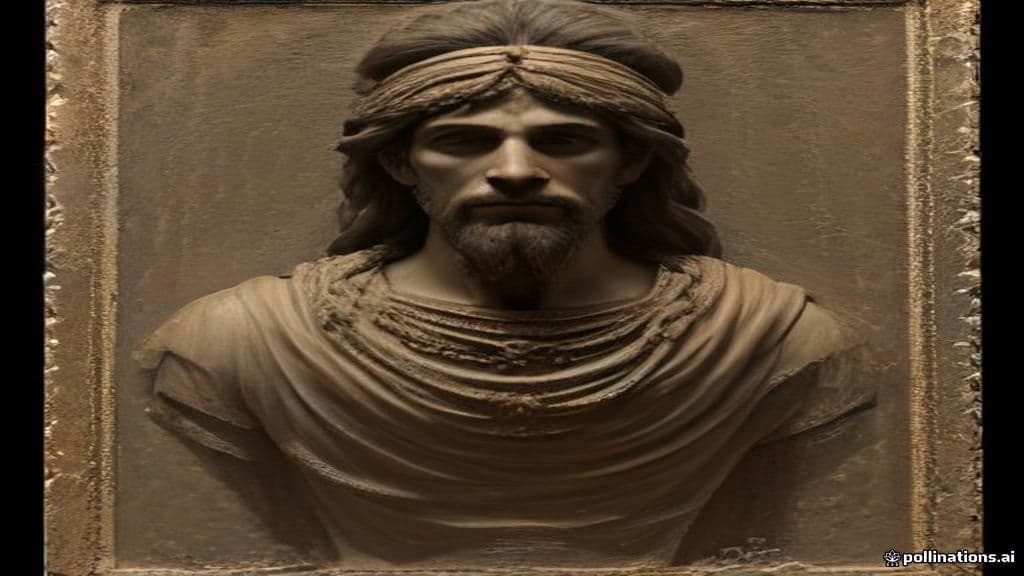
Named in the epic tradition as Μέγης (Meges) and commonly given the patronymic Phyleïdês (son/descendant of Phyleus), Meges is presented as an aristocratic commander from Dulichium associated with the Epeans of Elis. In the collective origin of the Trojan War saga he is listed among the Greek captains who mustered ships (traditional counts indicate forty or sixty) and is included among the suitors of Helen in some summaries of the pre-war catalogue, situating him within the pan-Hellenic cohort of leaders who sail to Troy.
Classical sources provide only episodic, martial portrayals rather than a consistent physical portrait. Homeric passages depict Meges in the thick of battle as a heavily armed aristeuōn (leader of men). A specific material detail preserved in the tradition is his corselet (body-armour) — described as a gift to his father from Euphetes of Ephyra — which is said to have saved him when Dolops tried to strike him with a spear. Pausanias records a painting depicting Meges wounded in the arm by a Trojan (Admetus son of Augeas) during the fall of Troy, indicating at least some iconography emphasizes his status as a combatant pictured with battle wounds.
Meges is a capable human warrior and commander: sources credit him with leading the Dulichian/Epean contingent to Troy and with slaying several named opponents in battle (traditions list victims such as Pedaeus son of Antenor and others summarized in epic summaries). He is reported to have assisted Odysseus in gathering gifts for Achilles and is named among the Greeks who entered the Trojan Horse, actions that mark him as trusted and effective within the Greek leadership. All attested capacities are human martial and leadership skills rather than supernatural powers.
Weaknesses
- conditionmortal vulnerability (death or wounds in battle)
- otherreliance on corporeal armour (corselet as physical protection)
Wards
None recorded.
Community Record
- [1]Meges - Wikipedia. Wikipedia contributors, 'Meges', Wikipedia, The Free Encyclopediawiki
- [2]The Iliad, Book XV (online translations). Homer, Iliad, Book XV (online translation excerpt)literary
- [3]MEGES - Dulichian King of Greek Mythology (Theoi.com). Theoi Project, 'Meges'literary
- [4]Meges in Greek Mythology - Greek Legends and Myths. GreekLegendsAndMyths.com, summary entry 'Meges'other
- [5]Pausanias (description of paintings and local traditions). Pausanias, as referenced in compiled summaries noting a painting of Meges wounded in the fall of Troy (summary in secondary sources)literary
- [6]Dictys Cretensis (summary tradition). Dictys Cretensis account as summarized in modern compilations stating that Meges fell at Troyliterary
- [7]Tzetzes (later mythographic tradition). John Tzetzes, as referenced in modern summaries noting a tradition that Meges perished at Euboealiterary