
In Greek epic tradition Memnon is the son of Tithonus (a mortal prince) and Eos (the goddess of the dawn). He is presented as a king who rules in Aethiopia and later sails with a large army (variously described as Aethiopians and Indians in different sources) to aid Troy during the Trojan War. His story is preserved in the lost Aethiopis and later summaries and continuations of the Trojan cycle (for example Quintus of Smyrna's Posthomerica) and is adapted in Roman poetic reception (notably Virgil).
Narrative and iconographic sources emphasize Memnon's heroic military accouterments and the large forces that accompany him rather than detailed physiognomy. Classical accounts attribute to him armor forged by Hephaistos; vase-painting motifs (e.g., Attic red-figure imagery) show Eos lifting his corpse, and Virgil uses the epithet translated as "black Memnon" (nigri Memnonis arma) in Roman reception. Sources also describe his army as numerous and composed of Aethiopians and sometimes Indians.
Memnon is portrayed as an exceptional warrior of near-divine status: he kills Antilochus, wounds Achilles, and fights with prowess compared in sources to Achilles. He is a heroic demigod figure by parentage (mortal father, divine mother) and is the recipient of divine-crafted arms (Hephaestus' armor). Divine actors intervene around his death in various traditions—Zeus and other gods are moved by Eos and either grant special honors, a posthumous grace to Eos (a daily sight of her son), or in some variants grant immortality—accounts differ across sources.
Weaknesses
- conditionmortality
Wards
None recorded.

Achilles
A legendary Greek heroic figure of epic poetry, son of the sea‑nymph Thetis and the mortal Peleus, celebrated as the greatest of the Greek warriors at Troy whose anger and fate shape events in the Trojan War cycle.
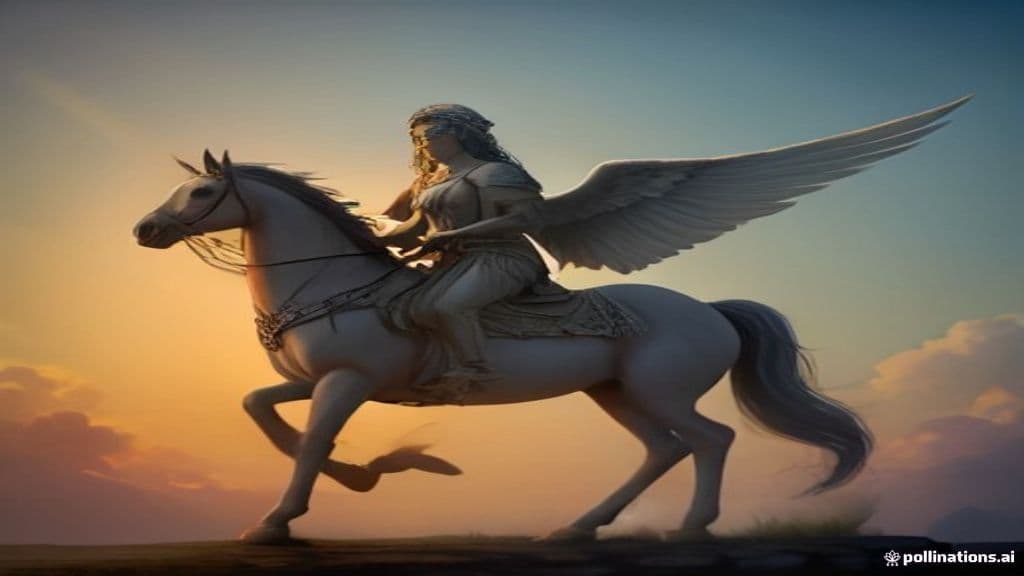
Eos
Eos is the ancient Greek goddess and personification of the dawn who rises each morning from the edge of Oceanus to bring light, open the gates of heaven for her brother Helios, and usher in the day; she is a daughter of the Titans Hyperion and Theia, sister to Helios and Selene, and mother of several winds and astral figures.
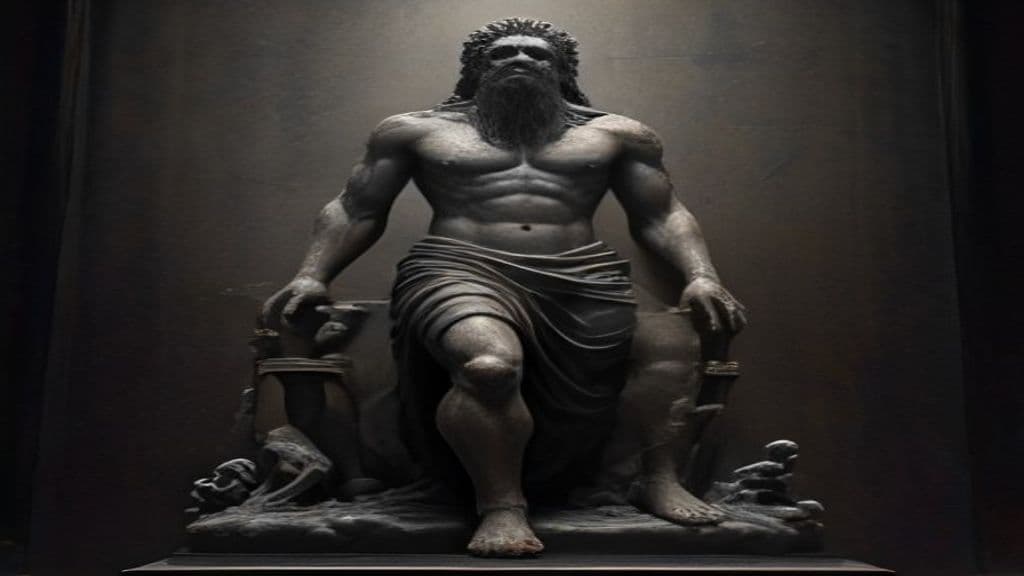
Hephaestus
Hephaestus is the Greek god and divine artisan of smithing, metalwork, controlled fire, and volcanism; he functions as the blacksmith of the Olympian gods, maker of their tools and weapons, and is the focus of localized cults associated with hearths and manufacturing centres (notably Lemnos and Athens).
Community Record
- [1]Memnon (Wikipedia). Wikipedia entry 'Memnon' (summaries of Aethiopis, Posthomerica, Virgilic reception and iconography).wiki
- [2]Posthomerica (summary references in Wikipedia). Summary of Quintus of Smyrna's Posthomerica as presented in the cited Wikipedia article (describing Memnon's arrival, deeds, and combat).literary
- [3]Virgil, Aeneid (summarized in Wikipedia). Virgilic material summarized in the Wikipedia article (nigri Memnonis arma; Aethiopians turned into birds; river from his blood; Eos' petition to Zeus).literary
- [4]The Armor of Memnon (Wikipedia summary). Statement that Hephaistos crafted Memnon's armor, as noted in the Wikipedia-derived research notes.wiki
- [5]Assorted receptions and art references (archive and image discussions listed in notes). References to later visual traditions (vase imagery, sculptural motifs such as the 'Memnon Pieta' and later Colossi of Memnon receptions) cited among the provided notes and links.other