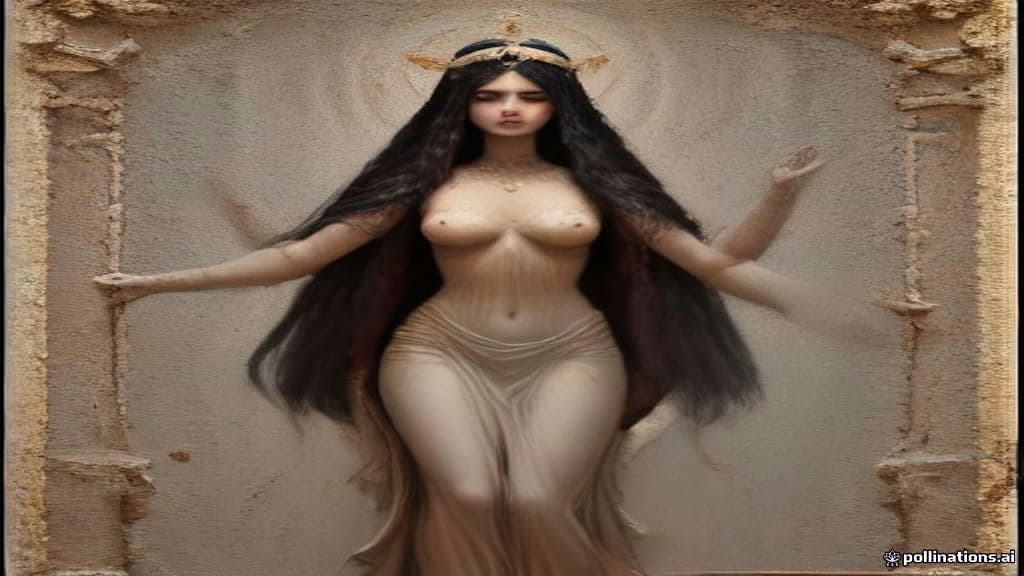
The name Myrine/Myrina/Myrinna is used in multiple, separate mythic contexts rather than describing a single originating supernatural species. One attestation names Myrina as a queen of the Amazons, placing her within Greek narratives about female martial polities. Another tradition makes Myrina the daughter of Cretheus and wife of Thoas and treats her as a possible eponym for the city of Myrina on Lemnos. A different Myrina is a woman buried in the Troad whose grave-mound is mentioned in the Iliad (Trojan forces gather by her grave-mound, also called Batea); some sources sometimes identify this grave-woman with the Amazon queen. Finally, a Myrina is recorded as a priestess of Aphrodite who underwent metamorphosis into a myrtle tree. These attestations reflect the name's use across etiological, epic, and cultic story-forms in Greek myth.
Classical sources do not provide a single, unified physical description for Myrine; instead the name denotes several distinct women whose appearances are not consistently detailed. The only concrete iconographic detail in the attested traditions is the priestess version who is said to have become a myrtle tree, indicating a metamorphosis into sacred vegetation rather than an enduring anthropomorphic portrait. Modern fictional and corporate uses of the name supply varied character descriptions but are not consistent with the ancient mythic attestations.
The primary classical attestations do not ascribe supernatural powers to Myrine as a taxon. Roles associated with bearers of the name imply human capacities: the Amazon queen is associated with martial leadership and organizing forces (classical label as queen), the Lemnian eponym reflects kinship and civic affiliation, the Troad grave-woman functions as a topographic or rallying landmark in epic narrative, and the priestess version is linked to religious office and metamorphosis into a myrtle, a plant sacred to Aphrodite. Modern retellings sometimes amplify martial achievements (for example a secondary source retells the Amazon queen raising large armies), but such expanded military feats are modern elaborations rather than corroborated classical powers.
Weaknesses
- otherNo specific weaknesses attested in provided sources
Wards
- otherNo specific wards attested in provided sources
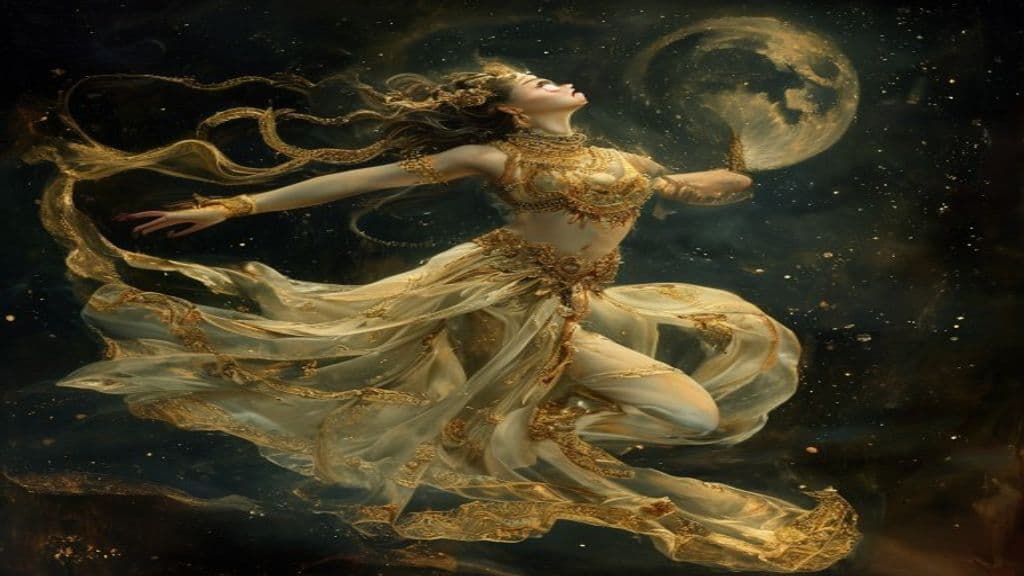
Apsara
Celestial dancers and water nymphs of Hindu cosmology — beautiful semi-divine beings who dance at the court of Indra and, by his command, descend to earth to distract sages from excessive asceticism.
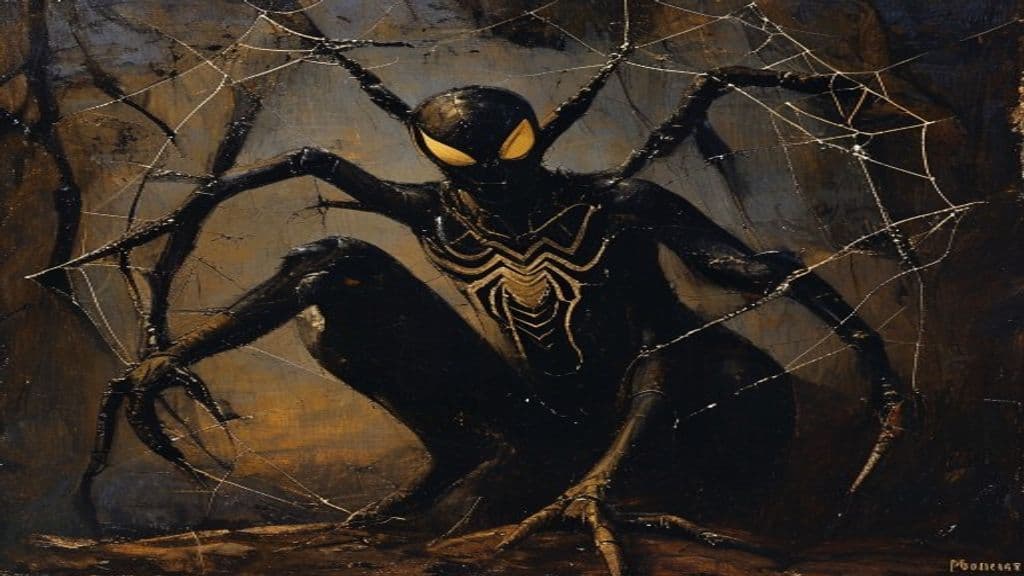
Anansi
The spider trickster god of Akan folklore — cunning, mischievous, and wise. Keeper of stories and teacher of human beings, brought through the slave trade into Caribbean and African-American tradition.
Community Record
- [1]Myrina (mythology) - Wikipedia. Wikipedia, article 'Myrina (mythology)'wiki
- [2]Amazon Nation: Chapter One. Amazon Nation, 'Chapter One' (modern retelling / secondary account)other
- [3]Wikidata: Myrine (genus). Wikidata entry for 'Myrine' (taxonomic usage)other
- [4]Archive items and modern press mentions (name usage examples). Various archive and press excerpts showing modern uses of the name 'Myrine' (fictional and corporate contexts)other