Ancient sources do not provide a single, authoritative origin myth for Nanaya. Textual and scholarly traditions preserve multiple positions: some scholars propose an Akkadian origin based on morphological features of the name, while others treat Nanaya as originally a hypostasis or close cultic associate of Inanna (Inanna-as-Nanaya), later developing into a distinct goddess. Late Babylonian lexical tradition produced an artificial Sumerian etymology deriving the name from NA 'to call' with a feminine suffix (presented in the sources as a learned, retrospective explanation rather than an original etymology). The meaning of the name remains unknown in the primary evidence summarized by the provided sources.
The surviving textual evidence emphasizes erotic and sensual epithets rather than a standardized pictorial type. Hymns and cultic songs address Nanaya with sexually explicit imagery (for example lines evoking nakedness and the sweetness of the body) and describe her using Sumerian ḫili and Akkadian kubzu — terms rendered in the sources as charm, luxuriance, voluptuousness or sensuality — and epithets such as bēlet ruʾāmi ('lady of love') and bēlet kubzi ('lady of voluptuousness/sensuality'). The provided materials do not record a single consistent statue type, animal emblem, or set visual attributes across sites; local variants (e.g., the warlike Nanaya Eurshaba at Borsippa) indicate cultic diversity rather than standardized iconography.
Nanaya's core functions in the textual corpus are as patron and embodiment of erotic love and sensuality, guardian of lovers (including the disillusioned or rejected), and a deity invoked in cultic and royal contexts. Hymnic texts address her in sexually explicit terms and present her as a focus of cultic song; one cultic passage from the supplied material is taken to indicate beliefs that could include transactional sexual services in cultic narrative. She is also attested as a protective deity against certain hostile supernatural forces — specifically named among deities believed to guard against lamashtu — and in some localized traditions she acquired martial attributes (for example Nanaya Eurshaba in Borsippa). In the Isin‑Larsa period and related royal ideology, associations with Nanaya could be integrated into symbolic aspects of kingship.
Weaknesses
None recorded.
Wards
- ritualInvocation of Nanaya as protector

Inanna
Inanna is a major ancient Mesopotamian goddess, primarily worshipped in Sumer and later identified with the Akkadian Ishtar. Her domains include love, sex, war, political power, divine law and procreation; she is a principal cult figure of Uruk and bearer of the mes, the decrees of civilization.
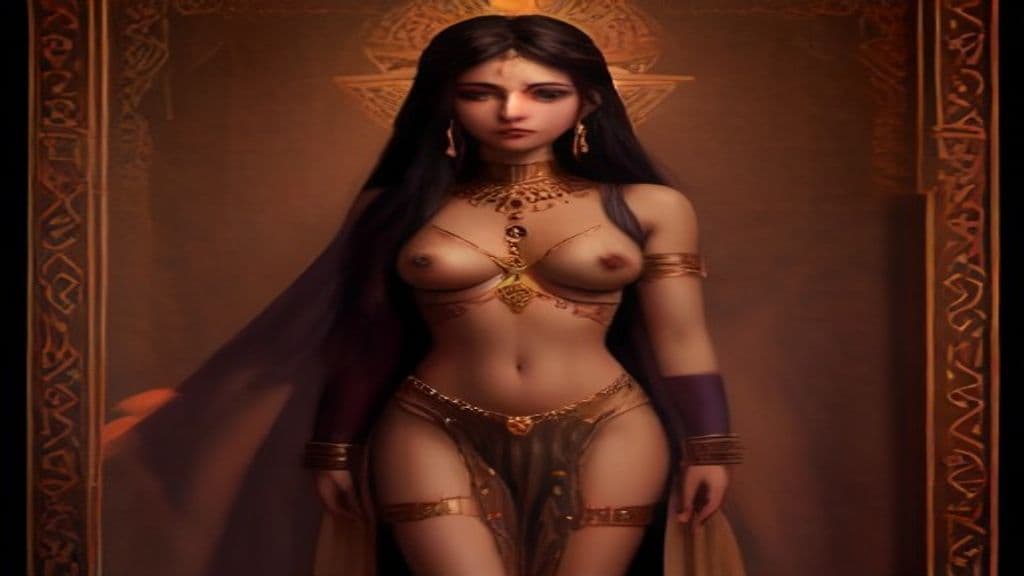
Ishtar (Inanna)
Major ancient Mesopotamian goddess of love, fertility/sexuality, and war, worshipped originally in Sumer as Inanna and later in East Semitic cultures as Ishtar. She is a principal divine figure associated with political power, divine law, and seasonal cycles, and appears prominently in myths such as The Descent of Inanna/Ishtar.
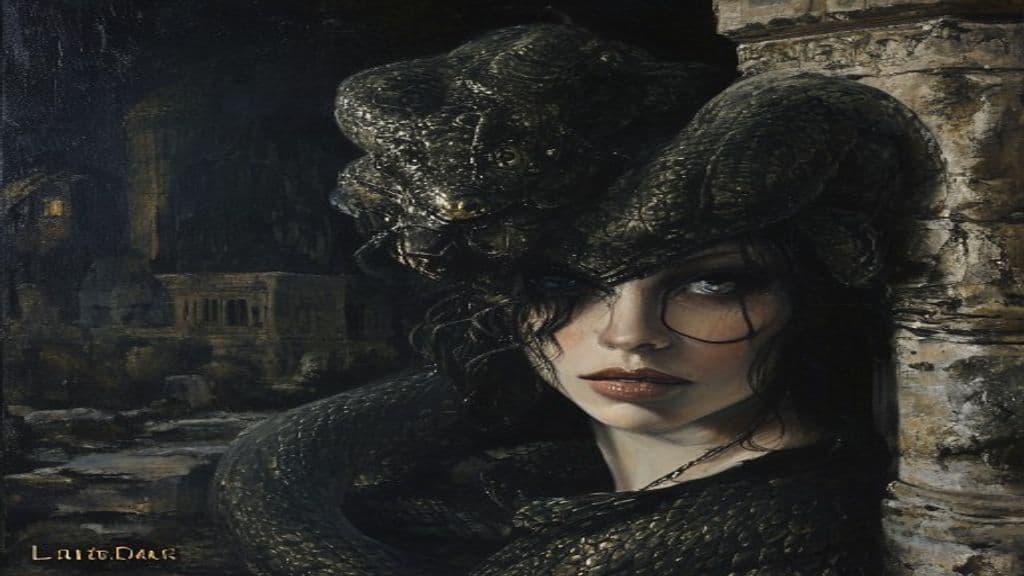
Lamia
A child-devouring demon of Greek mythology — once a queen of Libya and lover of Zeus, driven mad by Hera's destruction of her children and transformed into a monstrous hunter of other women's children.
Community Record
- [1]Nanaya — Wikipedia. Wikipedia, entry 'Nanaya' (accessed source material provided)wiki
- [2]Wikidata: Nanaya. Wikidata entry Q1809764 (Nanaya)other
- [3]A tigi to Nanaya for Ishbi‑Erra (Ishbi‑Erra C) — ETCSL translation. ETCSL translation: 'A tigi to Nanaya for Ishbi‑Erra (Ishbi‑Erra C)'literary
- [4]A balbale to Inana as Nanaya (Inana H) — ETCSL translation. ETCSL translation: 'A balbale to Inana as Nanaya (Inana H)'literary
- [5]Bizilla — Wikipedia. Wikipedia, entry 'Bizilla' (notes association between Bizilla and Nanaya)wiki