According to Mapuche accounts cited in the available sources, the ngen were created by Pu-am (described in the source as the representation of the universal soul) so that they would assure the order and the laws of admapu (the rules of Mapuche tradition). The ngen were instituted to prevent commotion such as that mentioned in mythic time involving the pillan.
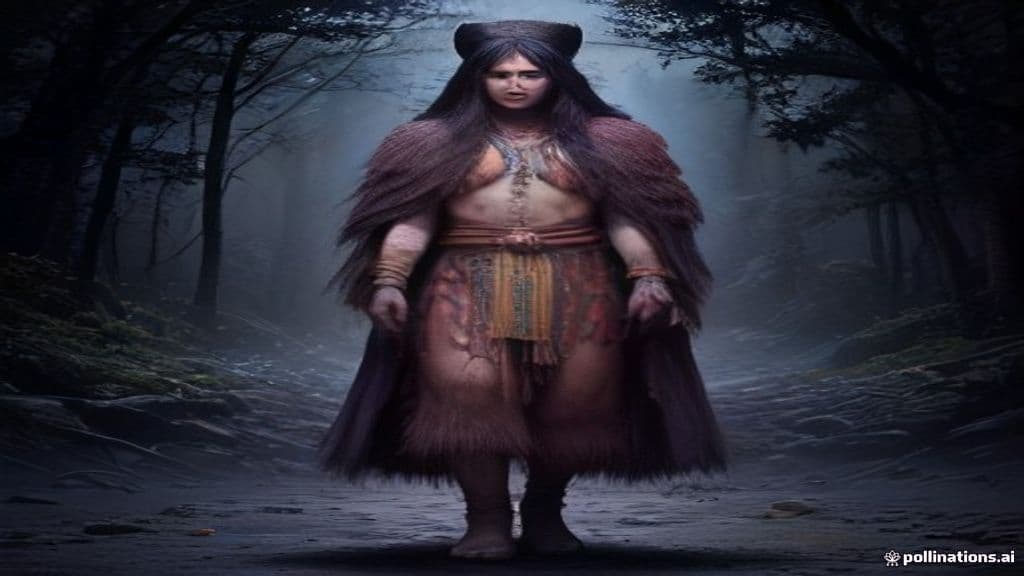
No single fixed form is prescribed; the ngen take on forms based on humans, animals, and plants and are named according to the domain they govern. The sources emphasize domain-linked embodiments rather than a uniform iconography.
The ngen 'manage, govern and arrange the different features of nature' and at the same time are those that nature takes care of and protects. They function as localized custodial powers or owners of specific natural domains (earth, water, hills, forests, animals, medicinal herbs, stones, paths, etc.). They receive orders from Pu-am and from Antü (a powerful pillan spirit). Humans who need to obtain something from nature must respect and give an offering to the specific ngen spirit.
Weaknesses
None recorded.
Wards
- ritualRespect and offering to the specific Ngen (admapu)
Community Record
- [1]Ngen (Wikipedia). "In Mapudungun, the word ngen means 'owner'. The Ngen are those that manage, govern and arrange the different features of nature; but also those that nature takes care of and protects... The Ngen were created by the Pu-am (the representation of the universal soul), who wanted the Ngen to assure the order and the laws of admapu (rules of the Mapuche tradition); and they prevent commotion such as the one caused by the battle of the pillan before the beginning of time... If a Mapuche needs to obtain something from nature, they must respect and give an offering to the specific Ngen spirit. The Ngen take on forms that are based on humans, animals, and plants. Each type of Ngen spirit receives a specific name."wiki
- [2]Ngen (Wikidata). Wikidata entry labeling ngen as guardian spirits in Mapuche mythology.wiki