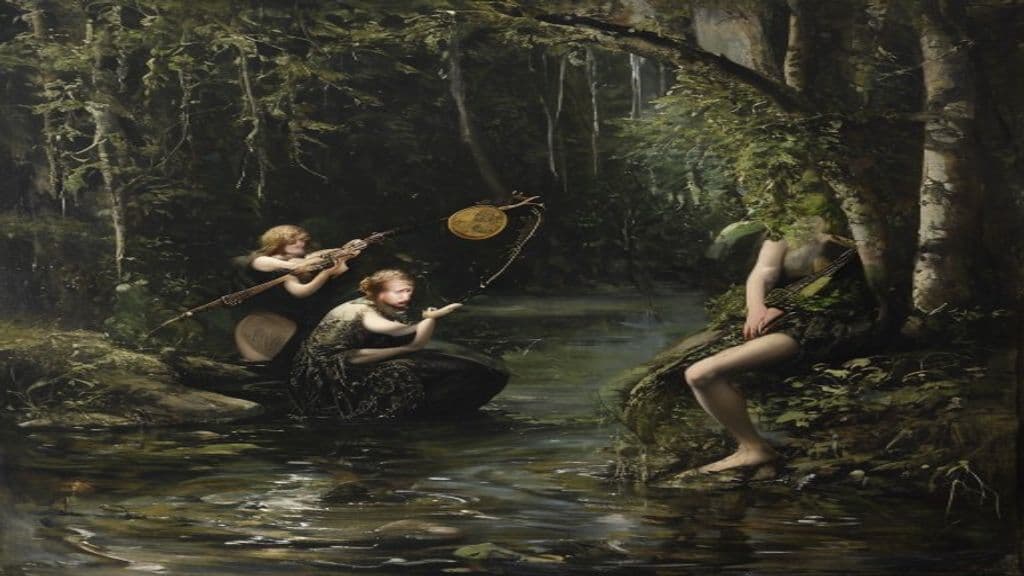
The name family of nixie terms is held to derive from Common Germanic *nikwus / *nikwis(i), ultimately from Proto‑Indo‑European *neigʷ, 'to wash'. Across Germanic and neighbouring traditions the term denotes beings attached to particular watery places (brooks, rapids, ponds, wells) rather than a single fixed ontological category. Local traditions and tale-clusters (e.g., Knucker-hole legends in England, Scandinavian Näcken/Fossegrim stories) locate these spirits as animate presences of specific water-sites and as intermediaries between communities and the watery landscape.
Accounts vary widely and often emphasize shapeshifting as a central attribute. Common male forms in Scandinavia are young, attractive men often depicted playing bowed or stringed instruments at brooks and waterfalls. German usage also preserves a feminine form (Nixe), typically a river mermaid. Animal or object forms are attested: the horselike 'brook-horse' (Bäckahästen / nykur) is a frequent Scandinavian form, while older English knucker tradition sometimes depicts a worm or dragon. Because many sources stress variability, no single appearance is definitive.
A recurring theme is musical enchantment: male water-spirits (Näcken / Fossegrim / Strömkarlen) play enthralling tunes on fiddles or similar instruments that can lure listeners — especially women, children, pregnant women and unbaptised infants — toward water. Nixies may drag victims under to drown or otherwise cause mischief, but are not uniformly malevolent in folklore; some tales record lovers, domestic coexistence with humans, or the spirit teaching musical skill. Some accounts record bargains or reciprocal exchanges (fragmentarily attested offerings such as 'three drops of blood, a black animal, brännvin or snus') in return for favours or instruction. Folklore also records that nixies become despondent when cut off from their water.
Weaknesses
- mantraCalling the nixie's name (folkloric belief that naming could defeat or kill a malicious nixie)
Wards
- ritualOffering/bargain (fragmentary attestations of reciprocal offerings such as 'three drops of blood, a black animal, brännvin or snus' to placate or obtain favour)
- mantraName‑calling to repel or defeat a malicious nixie (attested belief in some traditions)
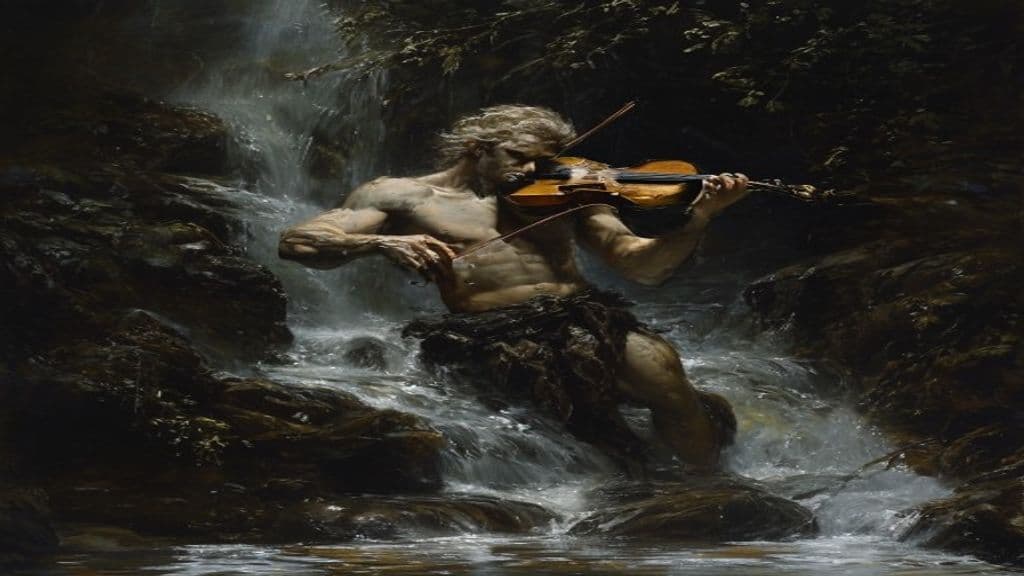
Fossegrim
A water spirit or troll in Scandinavian folklore, associated with music and enchantment. (Note: 1. Power tier: Lowered from Greater to Lesser, as it's described as a local spirit. 2. Origins story: Clarify that it's rooted in Scandinavian cultural values, but more specifically mention the Old No)
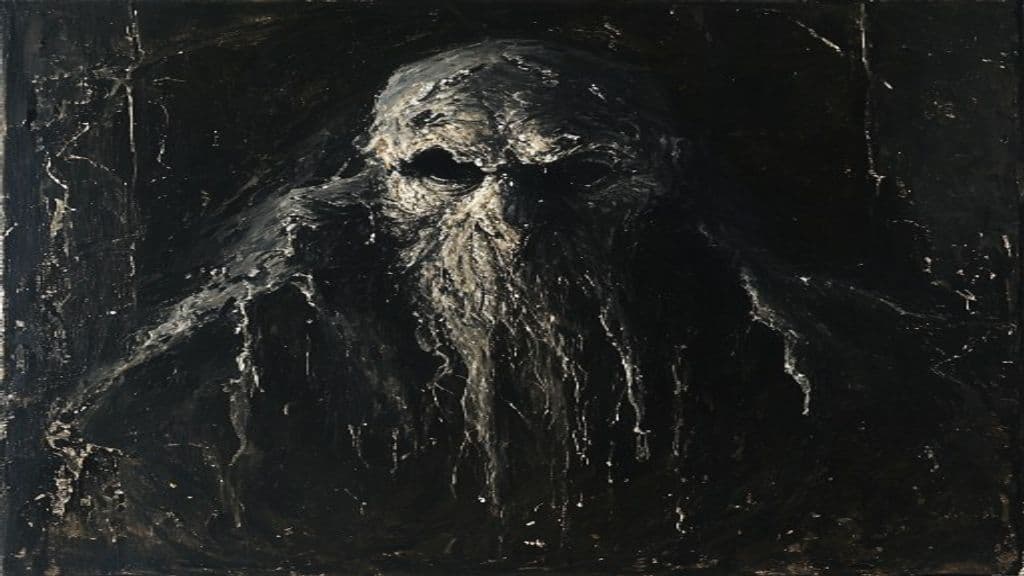
Knucker
A type of water dragon in Germanic tradition, said to inhabit knuckerholes in Sussex, England. (Note: 1. Power tier should be changed to Lesser, as the Knucker is described as a local water spirit. 2. Add sensory cues from knuckerholes in Sussex, England (e.g., strange noises, eerie feelings). 3. Note)

Mélusine
Mélusine is a European folkloric female freshwater spirit and locus guardian often depicted human above the waist and serpentine or fish‑tailed below. In medieval French romance she marries a human lord under a conditional taboo (commonly Saturday) and is associated with wealth, castle‑building, and as an ancestral figure for certain noble houses.
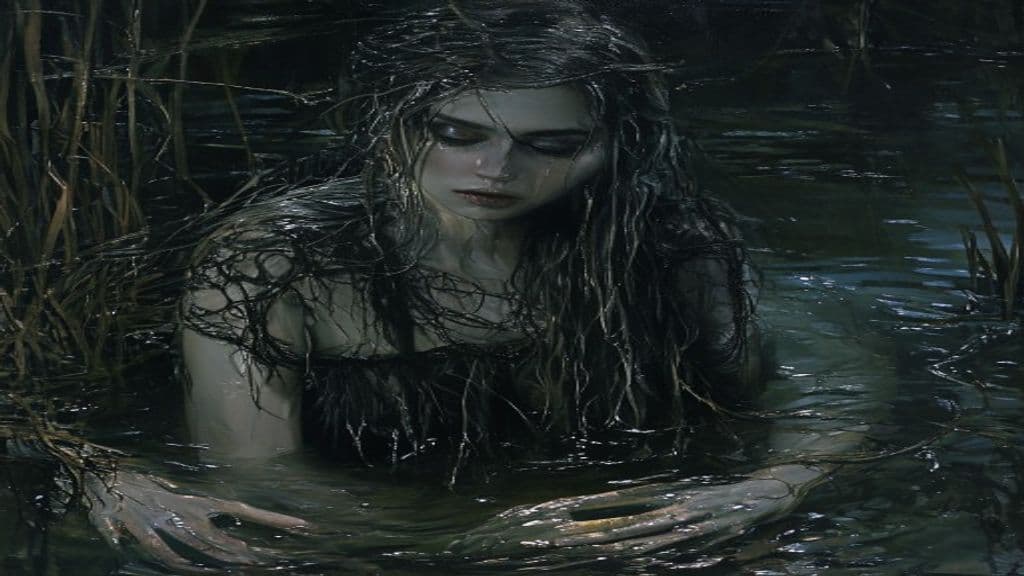
Rusalka
Water spirits in Slavic folklore — the spirits of young women who died by drowning or suicide, bound to rivers and lakes. Beautiful and dangerous, they can bewitch men to their deaths.
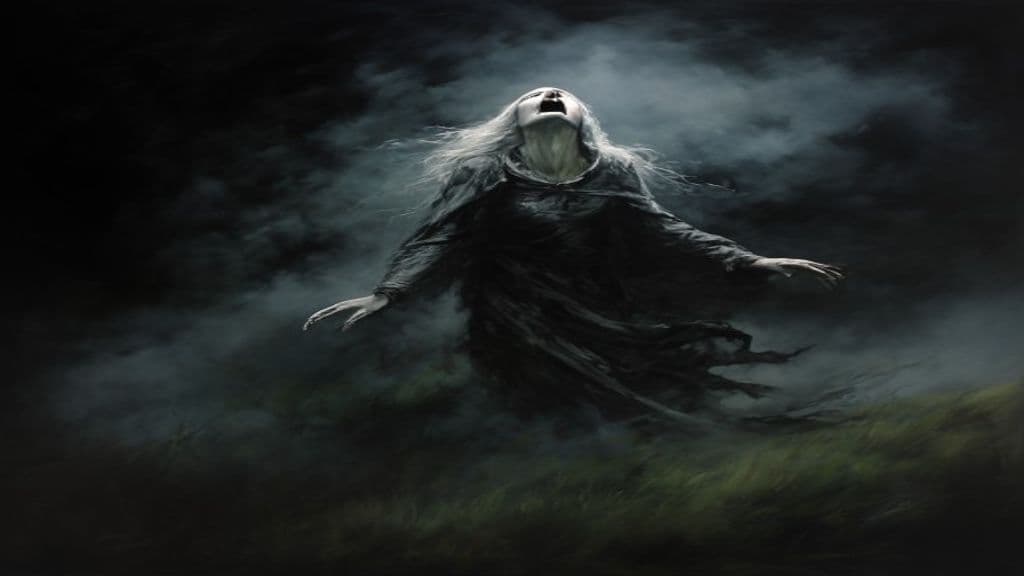
Banshee
A female spirit of Irish and Scottish folklore whose wail heralds an impending death in a family of Gaelic descent. Not a cause of death — a witness to it.
Community Record
- [1]Nixie (folklore) — Wikipedia. Wikipedia: 'Nixie (folklore)' article — etymology, appearance, abilities, and cultural notes (excerpted in research notes).wiki
- [2]Selected Tales (table of contents referencing 'The nixie in the pond'). Archive.org 'Selected Tales' contents indicating presence of nixie-related tales in folk-collections.folk
- [3]Yog-blogsoth: NIXIE (blog excerpt). Blog excerpt used in research notes to corroborate modern retellings and summary material.other