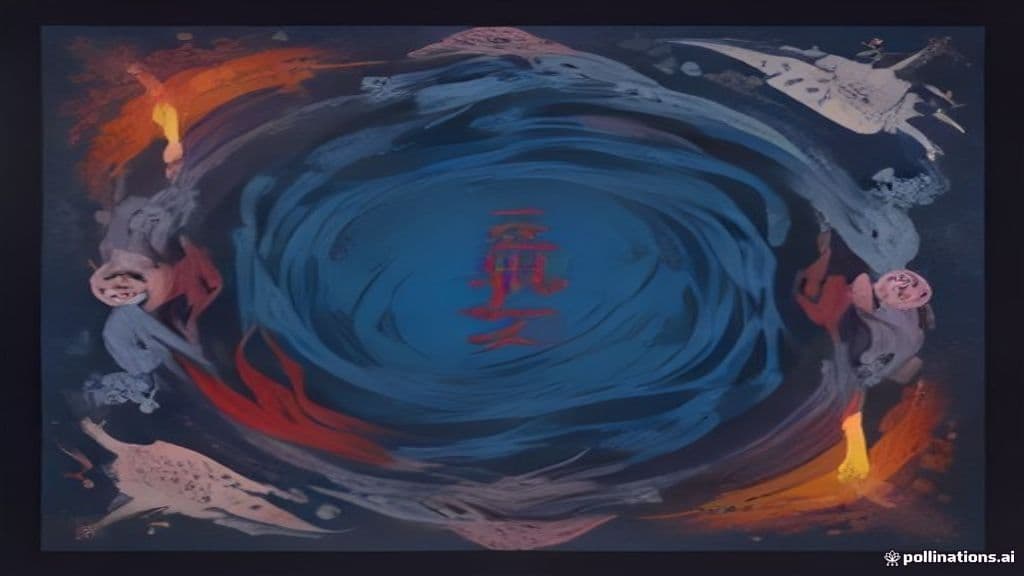
Folklore attributes onibi to multiple origins rather than a single cosmogony: many accounts describe them as manifestations of the spirits born from human and animal corpses or as resentful people transformed into fire. Specific anecdotal traditions moralize some instances — for example, the Sōgenbi tale recounts a monk punished for theft whose anguished face appears within the flame — while other explanations in the tradition include links to blood-stained battlefields and other tainted places. Early encyclopedic sources (e.g., Wakan Sansai Zue) and anecdotal collections present onibi as a classificatory category that groups diverse luminous events under a common moral/animistic framing.
Descriptions vary: typical color is blue or bluish-white, though red and yellow variants are reported. Size ranges from as small as a candle flame up to human-sized lights; some Edo-period illustrations and commentary lead to estimates from a few centimeters to several tens of centimeters in diameter, floating roughly 1–2 meters above the ground. Forms include single glowing balls, groups of flames (sometimes numbering into the dozens), and dynamic behaviors such as splitting, merging, and trailing tails. Local varieties bear distinct names and shapes (e.g., Wataribisyaku compared to a ladle-shaped tail). Some onibi reportedly display human features within the fire in narrative accounts (e.g., the Sōgenbi monk).
Onibi are principally luminous and mobile: they float low over the ground, fly about, split and rejoin, and may appear in large numbers. Their agency is ambiguous—some traditions treat them as animate spirits (from corpses or resentful dead), while others treat them as natural or atmospheric phenomena. Reported effects on humans and objects are variable: some sources (notably the Wakan Sansai Zue) warn that humans who approach may have their spirit sucked out, while other regional types (e.g., Asobibi in Kōchi) are described as harmless. Heat reports also conflict: some onibi are said not to be hot to the touch, whereas other accounts claim they can scorch or burn things. Onibi sometimes appear concomitantly with other supernatural signs (e.g., inka or other yōkai manifestations).
Weaknesses
- conditioncontextual ambiguity (no universal ward documented in sources)
- othersome local types described as harmless (e.g., Asobibi), implying non-engagement/avoidance as a culturally advised response
- otherEdo-period caution against approaching (Wakan Sansai Zue warning that close approach risks spirit loss) — operationally a behavioral deterrent rather than a magical weakness
Wards
- otherno consistent, named warding rituals recorded in supplied sources
- conditionavoidance or ignoring of harmless local varieties (implied social practice rather than formal ritual)
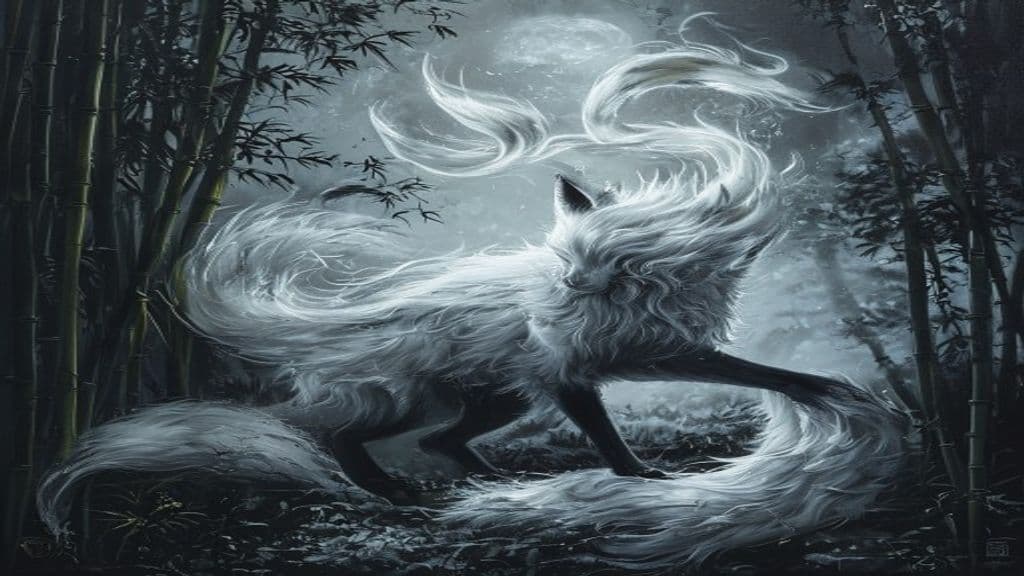
Kitsune
Fox spirits of Japanese mythology — intelligent, long-lived beings who gain additional tails (up to nine) as they age and grow in power. They serve as messengers of the god Inari and as powerful tricksters.
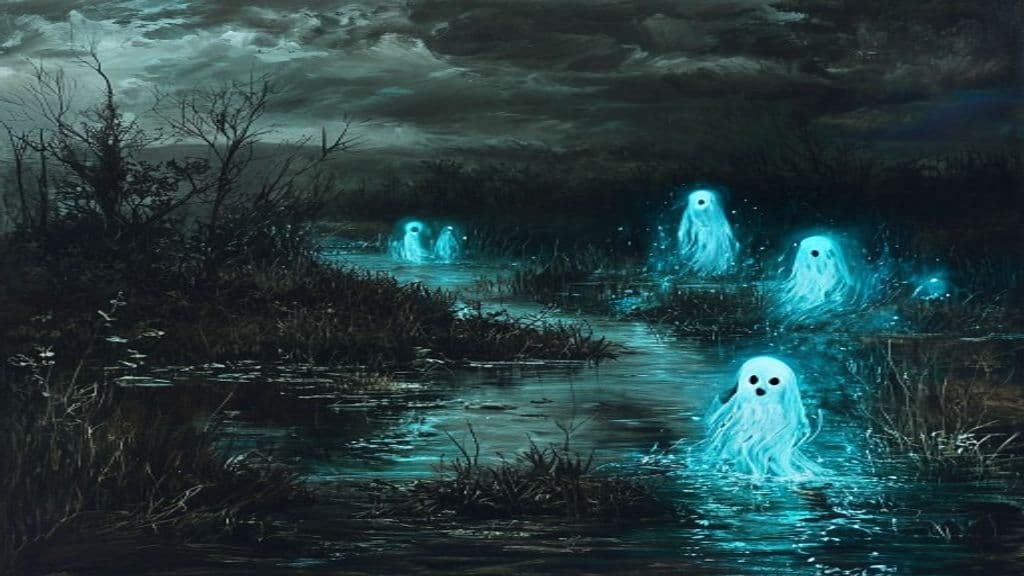
Will-o'-the-Wisp
A wandering light seen over marshy ground at night, leading travellers astray into bogs and fens. Possibly a spirit, possibly the soul of the unbaptised dead, possibly the devil himself.
Kitsune
Fox spirits of Japanese mythology — intelligent, long-lived beings who gain additional tails (up to nine) as they age and grow in power. They serve as messengers of the god Inari and as powerful tricksters.
Community Record
- [1]Onibi (Wikipedia). Onibi. Wikipedia. Accessed from supplied research notes (Edo-period sources, Wakan Sansai Zue, Mimibukuro, local variants cited).wiki
- [2]Onibi (Wikidata). Wikidata entry for Onibi, referenced in supplied research notes.other
- [3]Mimibukuro (anecdote references cited in Wikipedia summary). Anecdotal story of Hakone onibi splitting and merging, as summarized in the Wikipedia article on Onibi (source references to Mimibukuro in that article).folk
- [4]Wakan Sansai Zue (Edo-period encyclopedia, summarized). Summary of Wakan Sansai Zue descriptions (blue torch-like light; warning that those who approach might have their spirit sucked out) as reported in the Wikipedia article on Onibi.literary
- [5]Archive items (usage of the term in modern/archival contexts). Archival items in the supplied research notes that include the term Onibi in titles or materials; these do not supply additional ritual or folkloric data but were listed in the research notes.other