In the genealogical tradition preserved in summary sources Phylacus is described as son of Deioneus (Deion) and Diomede and commonly the husband of Clymene (Periclymene). He is credited as the founder (eponym) of the city of Phylace in Thessaly. Variant genealogies attach to him named children — notably Iphiclus, Alcimede, and Evadne, and possibly Clymenus — and later generations sometimes list Protesilaus and Podarces as grandsons or, in some accounts, as sons; traditions therefore preserve multiple, locally variable lineages bearing his name. Separately, a hero called Phylacus is attested as having a sanctuary at Delphi and is counted among a group of four heroes whose ghosts terrified Gaulish attackers in a legendary account of that assault. Additionally, the name appears for a distinct Trojan warrior killed by Leitus in epic listings.
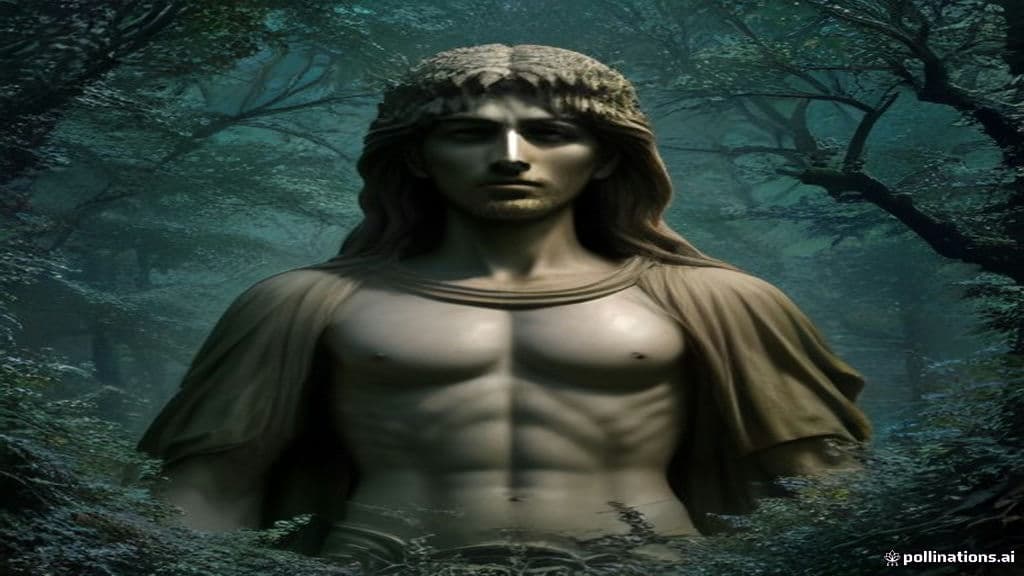
The sources supplied do not provide a physical description or iconography for Phylacus. He appears in literary and summary genealogical lists and as an eponymous founder or local hero; where attested as a hero-dead he is associated with sanctuary or tomb contexts (for example, a sanctuary at Delphi is named in one account), which is consistent with Greek heroic cult practice, but no specific visual attributes, age, garments, or statuary types are described in the excerpts provided.
No supernatural powers are directly attributed to Phylacus in the provided material. His functional roles are those of a mortal founder and progenitor—eponym of Phylace and ancestor of several named heroes—and, in one account, a protective hero whose ghost aided in repelling invaders at Delphi. He also appears as a named combatant in Trojan War lists (a Trojan Phylacus slain by Leitus). Thus his 'abilities' in the sources are social and cultic: providing genealogical legitimacy (founder/ancestor) and, as a hero-dead, a protective presence connected to a sanctuary; the supplied texts do not describe magical acts, divine attributes, or enacted powers beyond these roles.
Weaknesses
- conditionmortality / tomb-bound status
- otherNo supernatural invulnerability attested (sources only present him as a mortal hero or ancestor)
Wards
- otherNo wards attested in provided sources
Community Record
- [1]Phylacus — Wikipedia. Wikipedia, 'Phylacus' (entry summarizing classical sources and traditions)wiki
- [2]Phylacus — Wikidata. Wikidata entry for Phylacus (concise label: mythical son of Deion, eponym of Phylace)other
- [3]LP0077 -III ARGONAUTS- Introduction to the Argonauts (Library of Apollodorus excerpt). Archive snippet of Apollodorus material cited in research notes (genealogical context)literary
- [4]LP0078 -IV ARGONAUTS- The Argonauts Assembled (Fables of Hyginus excerpt). Archive snippet of Hyginus material cited in research notes (genealogical context)literary