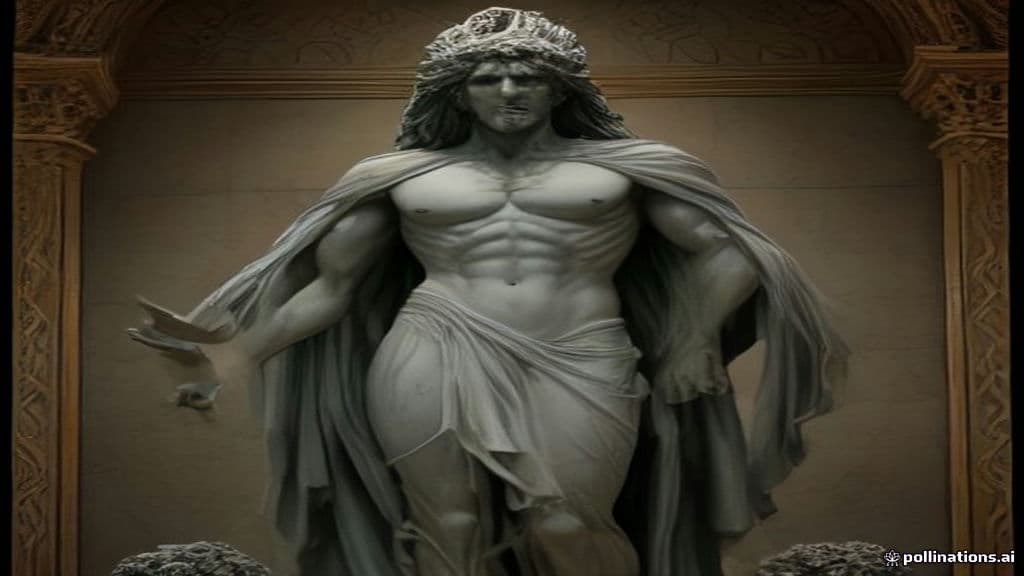
Phyleus is presented in Greek sources as the elder son of King Augeas of Elis. In the narrative connected to Heracles' labors, Phyleus witnessed events surrounding the cleaning of the Augean stables and was called to give testimony about Heracles' claims for payment. Because Phyleus supported Heracles against his father Augeas in that arbitration, Augeas expelled him. During exile Phyleus led a colony of Epeans to the island of Dulichium; in later epic genealogies his son Meges commands the Dulichian contingent at Troy. Variant accounts record different possible mothers for Meges and slightly differing family details, reflecting the fluidity of genealogical traditions in the sources cited.
The cited sources provide no physical description or iconography for Phyleus. He is represented textually as an Elean prince and genealogical figure—the kind of mortal noble usually attested in lists, epic summaries, and mythic histories—appearing in contexts such as adjudicatory scenes (the Augean-stables arbitration), exile narratives, and colonial-foundation accounts. Where he appears visually in later art or modern references (not documented in the supplied sources), that material is not provided in the referenced summaries.
No supernatural abilities are attributed to Phyleus in the provided materials. His effective 'powers' are social and political: he functions as a public witness called in an arbitration concerning Heracles' labor; he exercises agency in choosing to support Heracles over his father (a choice with dynastic consequences); he leads a group of Epean colonists to Dulichium during exile; and he anchors genealogical continuity as father of Meges, who appears in Trojan War narratives. These roles are attested in the cited summaries of Apollodorus-type genealogies and modern reference entries.
Weaknesses
- conditionmortal vulnerability and political sanction (exile)
Wards
None recorded.

Augeas
Augeas is a mythic king of Elis in the Greek Heracles cycle, famous for the Augean stables which housed an immense herd and had not been cleaned for decades; his contractual refusal to pay Heracles for cleaning the stables leads to his death and the transfer of kingship to his son Phyleus in the traditions summarized by the sources.
Heracles
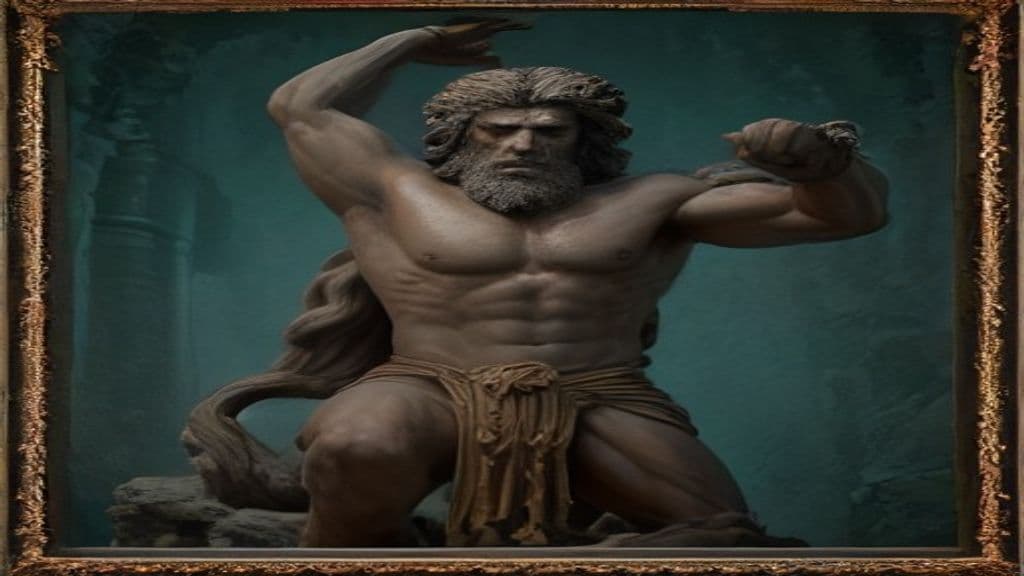
Heracles is the greatest hero of Greek myth whose career bridges mortal hero-cult and full divinization. Celebrated for his Twelve Labours, martial prowess, and travels between the mortal world, the underworld, and Olympus, he functioned as a civic patron, ancestor of royal lines (the Heracleidae), and object of cult that treated him both as chthonic hero and as god.
Community Record
- [1]Phyleus - Wikipedia. Wikipedia: Phyleuswiki
- [2]Phyleus (genealogical and labor summaries) — archive materials. Archive: LP0051 Labors Legacy (summaries referencing Apollodorus-style traditions)other
- [3]Phyleus (Fiery Courtship archive summary). Archive: Fiery Courtship (genealogical summary)other
- [4]The Iliad (Homer) — reference to Meges and Dulichium contingent. Homer, Iliad (reference to Meges leading Dulichian troops)literary
- [5]Augean Stables — summary of the Heracles labor. Summary: Augean Stables (Heracles' labor and related arbitration narrative)other
- [6]Phyleus — Greek Legends and Myths. Greek Legends and Myths: Phyleus (genealogical summary)folk