In Greek mythic genealogies Polycaon appears in two distinct identifications. One Polycaon is recorded as a son of Lelex (by the Naiad Cleochareia) and brother of Myles; after Lelex's death Myles inherited Laconia while Polycaon married Messene, daughter of King Triopas of Argos. Messene gathered armed forces from Argos and Laconia, and the couple invaded the territory that was thereafter called Messenia; they founded the city Andania and built a palace there. A separate Polycaon is named as a son of Butes who married Evaechme, daughter of Hyllus and Iole, linking him by marriage to the Heracleidae. These accounts function as mytho-historical explanations for territorial origins and dynastic connections in Greek tradition.
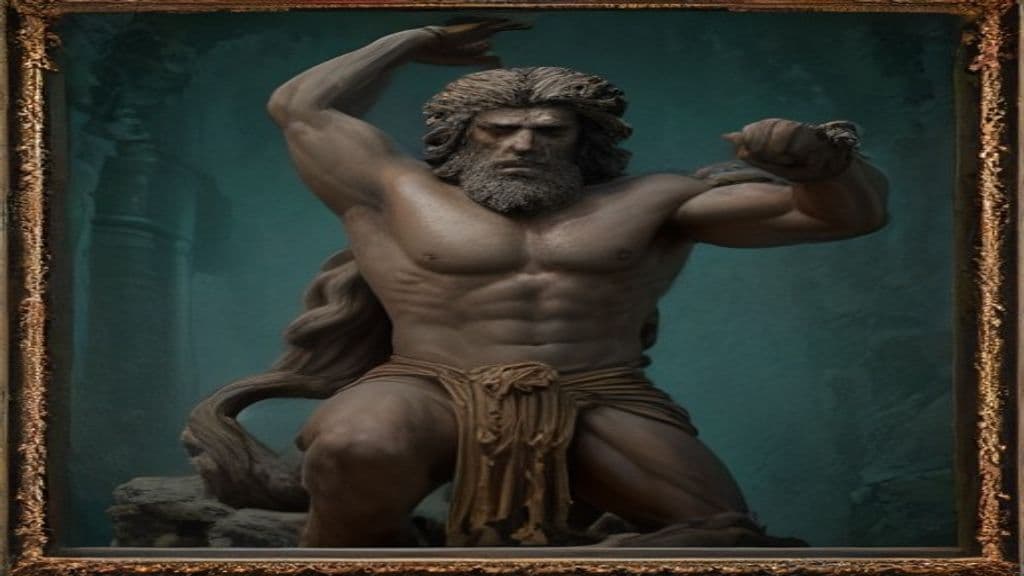
The supplied sources provide no physical description or iconographic detail for either person named Polycaon. Ancient accounts treat Polycaon as a named human figure situated within genealogies and founding narratives without surviving descriptive material about stature, dress, or distinguishing features.
No supernatural powers or magical abilities are attributed to Polycaon in the provided materials. The narratives record mortal-political actions: marriage alliances, military campaigning undertaken (with notable initiative by his wife Messene), territorial conquest, and the founding of a city and palace—activities consistent with a legendary human founder rather than a supernatural being.
Community Record
- [1]Polycaon — Wikipedia. Wikipedia, 'Polycaon' entrywiki
- [2]Polycaon (Wikidata). Wikidata item Q14932379 (records taxonomic homonym)other