In Vaishnava textual and devotional material Satyabhāmā is presented as a daughter of Satrājit (patronymic Satrajiti) and as an incarnation of Bhūmi and an aspect of Lakshmi; she is narrated in Śrīmad-Bhāgavatam and later devotional retellings as one of Krishna's principal wives in Dvārakā and as participant in episodes such as the pārijāta episode, and in some traditions she is credited with aiding Krishna in the defeat of the asura Narakasura.
The supplied sources do not give detailed iconographic description. Descriptions and contexts emphasize her status as a royal consort of Krishna at Dvārakā rather than precise physical traits; she is also a subject in performing-arts repertory (e.g., Mohiniyattam scholarship and performance titled after Kalamandalam Satyabhama), indicating a living visual and performative presence in temple and dance traditions.
Source material attributes to Satyabhāmā roles and actions within Krishna's pastimes rather than enumerated magical powers: she desires the pārijāta flower (Śrīmad-Bhāgavatam account) and, according to some traditions recorded in devotional literature, is regarded as having aided Krishna in the destruction of Narakasura. She functions theologically as an incarnation of the Earth (Bhūmi) and aspect of Lakshmi, and socially as a divine queen-consort whose devotion and service are emphasized in devotional commentaries and temple worship.

Nāgas
Nāgas are serpent-associated nonhuman beings in South Asian religious literature. In the Mahāvaṃsa and related scholarship they appear as salient 'snake-beings' who act as otherworldly agents, sometimes depicted as devoted worshippers of the Buddha and elsewhere as hoarders of relics.
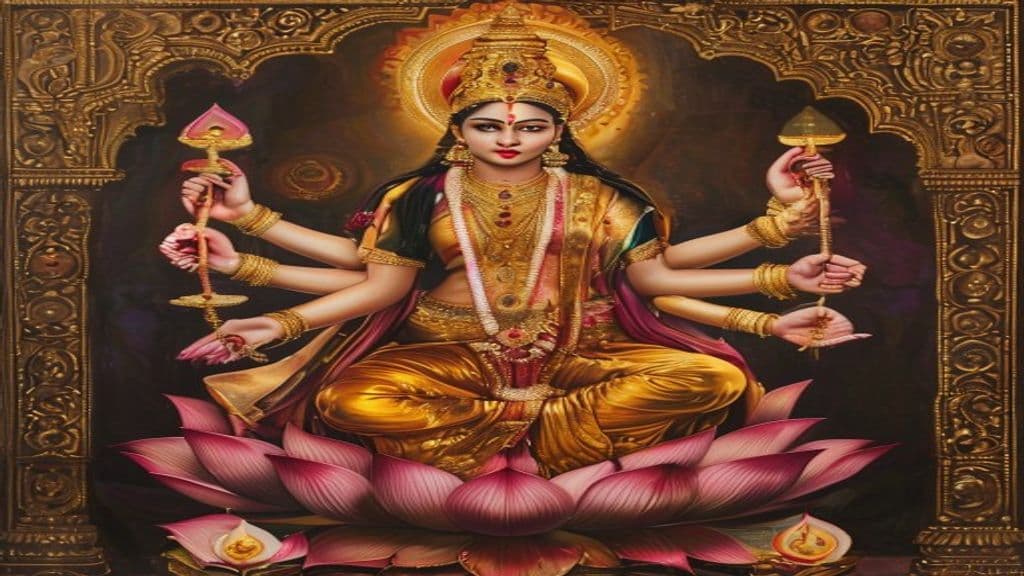
Lakshmi
Lakshmi is a principal Hindu goddess who personifies śrī (auspiciousness) and is revered as the giver of fortune, wealth, prosperity, beauty, fertility, sovereignty, and abundance. She is the consort and shakti of Vishnu in Vaishnavism, part of the Tridevi with Parvati and Sarasvati, and is the focus of popular devotional and festival practices such as Lakshmi Puja during Deepavali and Navaratri.
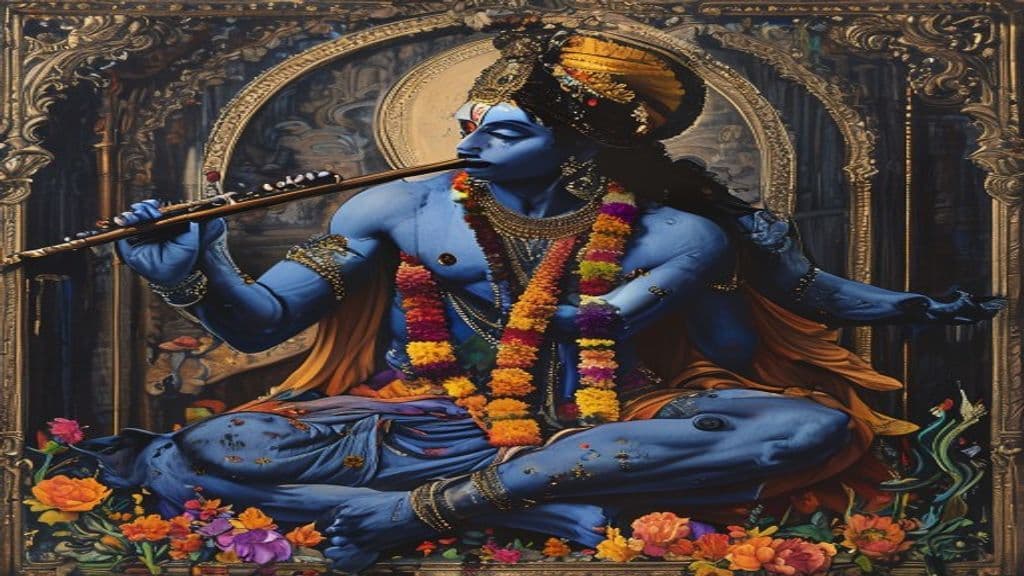
Krishna
Krishna (Sanskrit: Kṛṣṇa) is a major Hindu deity presented in the supplied sources both as the eighth avatāra of Vishnu and, in many traditions, as the Supreme Being (Svayam Bhagavān). He appears in a range of roles—child, cowherd, lover, charioteer, teacher and divine hero—and his life episodes (Krishna-līlā) are central to bhakti devotion, performance arts, and pilgrimage traditions.
Community Record
- [1]Satyabhama (Wikipedia). Wikipedia, 'Satyabhama' entrywiki
- [2]Wikidata: Satyabhāmā. Wikidata item Q2668668other
- [3]Śrīmad-Bhāgavatam 1.14.37 (Vedabase). Śrīmad-Bhāgavatam 1.14.37 (Vedabase online)literary
- [4]Andhra Pradesh Government Order concerning Sri Sathyabhama Rukhmini Sametha Sri Venugopala Swamy Vari Temple. Andhra Pradesh government order, 2021-10-14 (temple/endowment record)other
- [5]Kalamandalam Satyabhama: Mohiniyattam. History, Techniques and Performance. Kalamandalam Satyabhama (performing-arts reference)other
- [6]Devotional and popular retellings (examples). Devdutt Pattanaik, 'Financial lessons from Satyabhama' (popular retelling and interpretation)other
- [7]The Sampradaya Sun — feature and editorial pieces referencing Satyabhama. The Sampradaya Sun — Independent Vaisnava News (feature pieces referencing devotional interpretations of Satyabhama)folk