
The name Signy appears across several Old Norse saga narratives as a mortal woman of royal or notable birth rather than a supernatural being. The principal Signy of the Völsunga saga is introduced as the only daughter of King Völsung of Hunaland and Hljóð the giantess; reluctantly married to King Siggeir of Gautland, she becomes the engine of a prolonged vengeance plot after her father and brothers are treacherously attacked at her wedding. A separate Signy in the Hagbard–Signy legend is a lover of the sea-king Hagbard who vows to die if he is executed and immolates herself when she learns of his fate. Other saga-personae named Signy appear in different narratives (for example, a Signy in Illuga saga Gríðarfóstra who is the daughter of the witch Gríðr), showing the name’s repeated use for tragic or rescued female figures in the legendary corpus.
The saga accounts supply little in the way of sustained physical description; Signy is characterized primarily by social identity and actions (daughter of Völsung and Hljóð; wife of Siggeir; lover of Hagbard) rather than appearance details such as hair, height, or dress. Narrative episodes highlight her roles—royal daughter, wife, mother (mother of Sinfjötli in the Völsung cycle), and oath-bound lover—while explicit physical portraiture is not given in the summarized sources.
Signy is portrayed as an agentive, cunning human within saga logic rather than as an innate supernatural actor. She warns kin, arranges escapes (for example facilitating Sigmund's concealment), and orchestrates vengeance after her family is betrayed. In the Völsunga account she undergoes a sorcery-mediated shape-exchange with a sorceress: Signy assumes the sorceress's appearance (the sources describe an exchange of shapes) to sleep with her own brother Sigmund for three nights, producing the son Sinfjötli who is instrumental in avenging Völsung. The transformation in this episode is effected through cooperation with a sorceress rather than presented as Signy’s independent magical power. Her behaviors include ordering the deaths of her own children when they prove unfit for vengeance, and committing self-immolation as an oath-keeping or final act once vengeance is complete.
Weaknesses
- conditionmortality
Wards
None recorded.
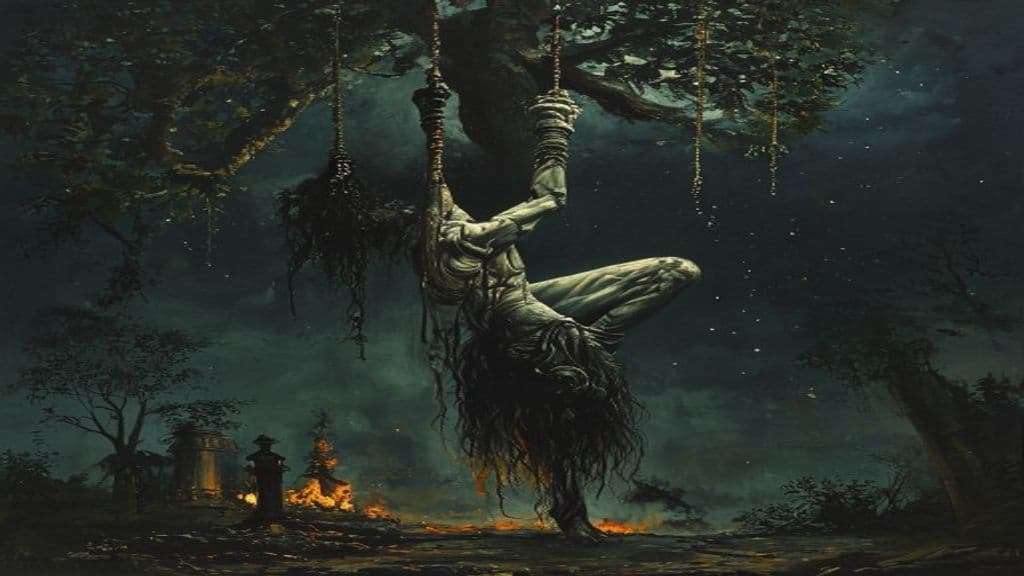
Vetala
A spirit that inhabits and reanimates corpses, possessing supernatural knowledge and the power to prophesy. One of the most feared beings in Shaiva tradition.
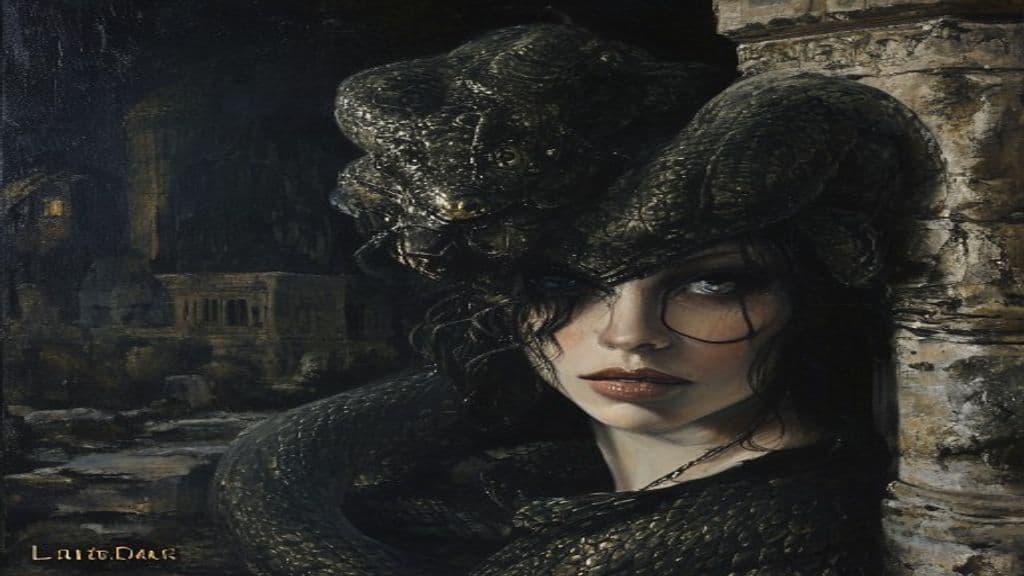
Lamia
A child-devouring demon of Greek mythology — once a queen of Libya and lover of Zeus, driven mad by Hera's destruction of her children and transformed into a monstrous hunter of other women's children.
Community Record
- [1]Signy. Wikipedia, 'Signy' (entry summarizing saga material)wiki
- [2]Signy. Wikidata entry for Signyother
- [3]Asmund & Signy (podcast archive entry). Nashville Public Library podcast page referencing tale pairingsother