
Silenus belongs to the Dionysian retinue (the thiasos) as an elder companion and tutor to Dionysus/Bacchus. In early imagery he appears as one of the rustic, half-animal tutors and attendants linked to pastoral and fertility cults; over time the plural class sileni and the single named Silenus converge in literary and artistic sources so that Silenus functions both as a stock theatrical figure (Papposilenus) and as a distinct mythic personality who accompanies, instructs, and occasionally is captured by humans in narrative episodes.
Sources present Silenus as an aged, corpulent rustic figure: bald or with white hair, pot-bellied, with flabby breasts and shaggy thighs, thick lips and a squat nose. Early woodland representations sometimes give him equine traits such as horse-like ears and occasionally a tail or equine legs, but later art commonly depicts him with human legs. In theatrical contexts (Papposilenus) actors wore a tufted body-stocking (mallōtos chitōn) and mask to convey extreme age and hairiness. He is often shown supported by satyrs, carried on a donkey, sleeping, or playing instruments like the aulos or lyre.
Silenus is notorious for habitual intoxication and drunken behavior; myths emphasize that he is usually drunk and often must be supported or carried. Paired with this comic disorder is a tradition that when intoxicated he can utter special knowledge or prophecy — exemplified in episodes such as the encounter with King Midas in which Silenus delivers a pessimistic aphorism about human life. He serves as tutor and caretaker to Dionysus in some traditions and functions as a leader/father-figure to satyrs in dramatic contexts. In art and cult he can also play a symbolic role within funerary Dionysian iconography.
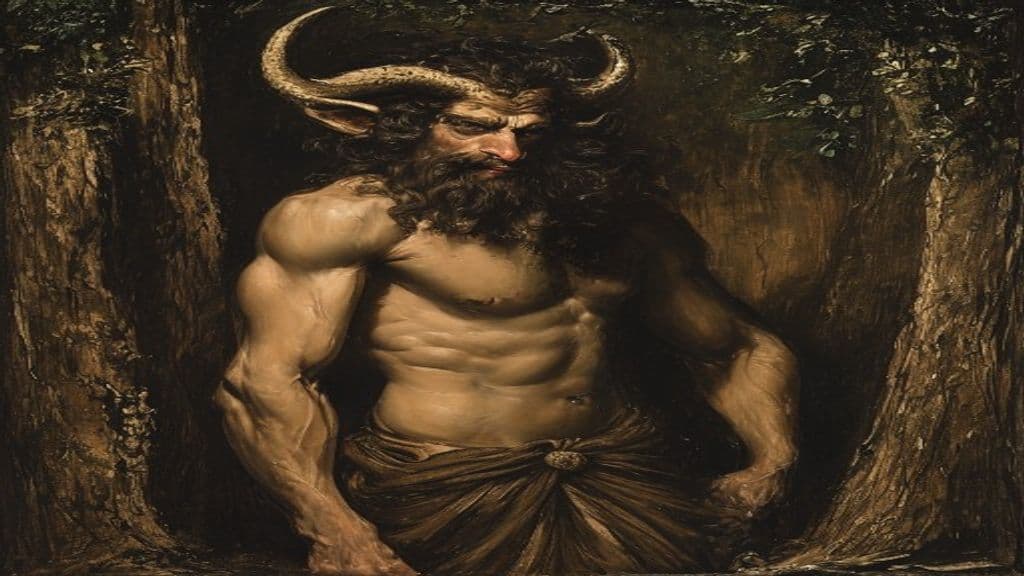
Satyr
In ancient Greek tradition a satyr (σάτυρος, sátyros) is a male nature spirit of woodlands, mountains, and pastures who accompanies Dionysus (and is later identified with Pan/fauns). Satyrs embody ribaldry, music, dance, and unrestrained sexuality and appear collectively (as a chorus) in the satyr play as well as individually in mythic episodes (e.g., Marsyas, Silenus).

Dionysus
Dionysus (Ancient Greek: Διόνυσος) is a major ancient Greek deity associated with wine and winemaking, vegetation and fertility, festivity and theatre, ritual ecstasy and possession, and liminal links with death and the underworld. He is an epiphany-god who travels between worlds, whose cult includes ecstatic rites and mystery initiation.
Community Record
- [1]Silenus - Wikipedia. Wikipedia article 'Silenus' (summary of literary and artistic sources)wiki
- [2]Wikidata: Silenus. Wikidata entry for Silenus (identifies role as tutor to Dionysus)other
- [3]Euripides, Cyclops (The Internet Classics Archive). Euripides' satyr play 'Cyclops' (dramatic context for Silenus as leader/father-figure to satyrs)literary
- [4]Sleeping Silenus - Wikipedia. Art-historical motif and surviving relief exampleswiki
- [5]Pompeii fresco and object records (pompeiiinpictures.com). Pompeian frescoes showing Silenus playing instruments and present in banqueting scenes (image records cited in notes)other
- [6]Roman Silenus bed fitting found in Denmark – The History Blog. Description of a Roman bed fitting depicting Silenus (visual attestations of later appearance)other
- [7]Attalus: Silenus in ancient sources. Index and references to ancient occurrences of the name Silenus (distinct use as individual and as type sileni)other
- [8]Archive images: frescoes of Dionysus and Silenus. Archive image captions showing Silenus with lyre/aulos in Pompeian frescoesother