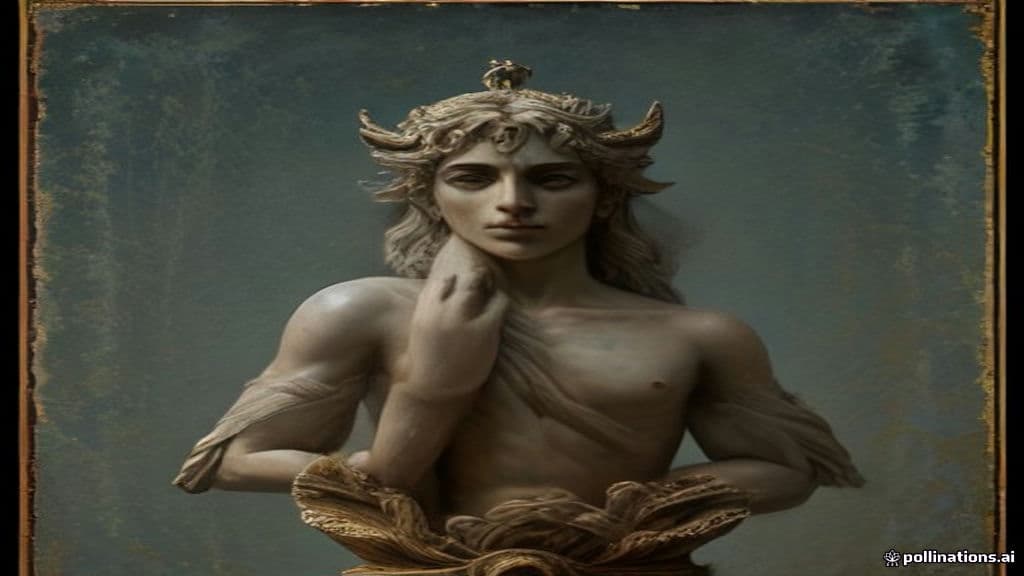
Accounts vary. In some early traditions Telephus is born in Mysia and raised at the court of King Teuthras; in other surviving versions he is born in Arcadia (son of Heracles and Auge), exposed as an infant on Mount Parthenion—sometimes sold or abandoned because Aleus received a Delphic oracle that a grandson would bring disaster—and in certain tellings the infant Telephus is suckled by a deer until found and raised by a herdsman or by King Corythus; later he comes under Teuthras' protection or is adopted by Teuthras and becomes heir and king of Mysia. These variant accounts are attested across the literary tradition and summarized in modern reference treatments.
Literary sources emphasize narrative episodes rather than a single canonical physical portrait: infancy motifs include exposure on Mount Parthenion and being suckled by a deer; as an adult he is depicted in the tradition as a Mysian king and warrior who bears a notable wound inflicted by Achilles. Classical drama and visual arts frequently represented episodes from his life (infancy, combat with Greeks, the wound and healing), but the supplied summaries do not record a standardized physical description such as height, dress, or distinguishing facial features.
Telephus is a mortal heroic figure: son of Heracles and Auge, adopted heir of Teuthras, military leader and defender of Mysia who repels the Achaean fleet that lands mistakenly en route to Troy. In that conflict he is wounded by Achilles; narrative tradition records that the wound would not heal until Achilles later heals him. He fathers Eurypylus, who later participates on the Trojan side. Telephus's roles are political and martial rather than supernatural—founder/dynastic and epic-linked actions tie him into the wider Trojan-cycle narrative.
Weaknesses
- conditionmortality
- conditionbattlefield vulnerability (wounded by Achilles)
- conditionpersistent unhealing wound prior to Achilles' healing
Wards
None recorded.
Heracles
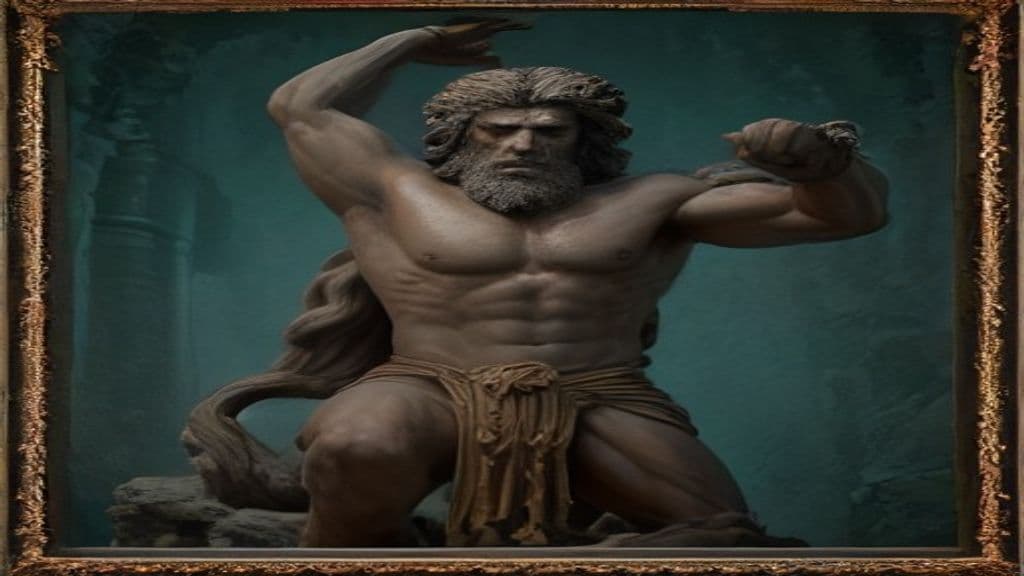
Heracles is the greatest hero of Greek myth whose career bridges mortal hero-cult and full divinization. Celebrated for his Twelve Labours, martial prowess, and travels between the mortal world, the underworld, and Olympus, he functioned as a civic patron, ancestor of royal lines (the Heracleidae), and object of cult that treated him both as chthonic hero and as god.

Achilles
A legendary Greek heroic figure of epic poetry, son of the sea‑nymph Thetis and the mortal Peleus, celebrated as the greatest of the Greek warriors at Troy whose anger and fate shape events in the Trojan War cycle.

Eurypylus
Eurypylus (Ancient Greek: Εὐρύπυλος, 'wide-gated') is an anthroponym in Greek myth borne by several distinct mortal or semi-divine figures — kings, princes, and warriors — attested across regional heroic-age narratives (Thessaly, Mysia, Cos, Thebes, Tiryns) and the Trojan War cycle. The name functions genealogically and narratively rather than as a single supernatural being.
Auge
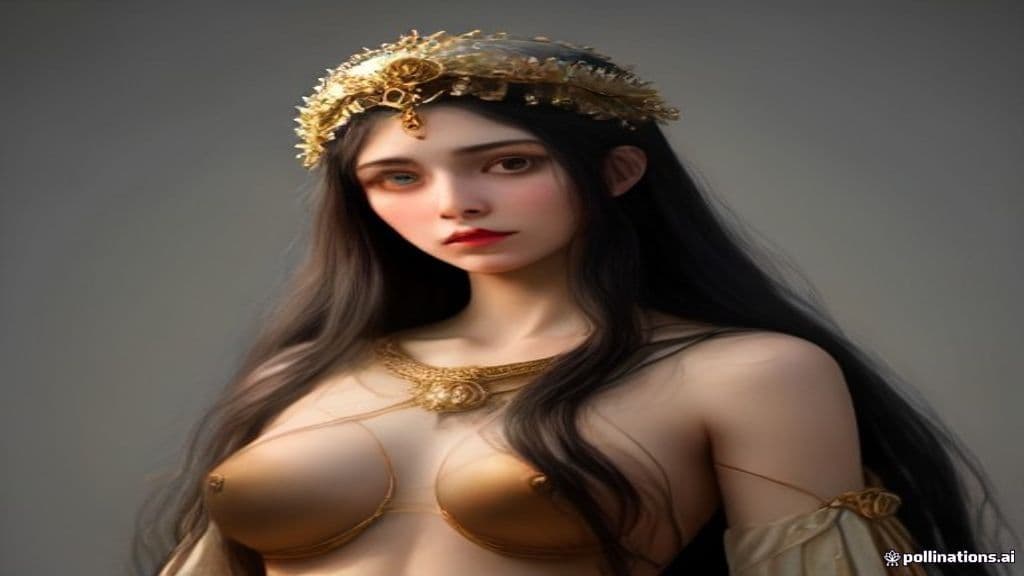
Auge (Ancient Greek: Αὐγή, Augḗ, lit. "sunbeam, daylight, dawn") is an Arcadian princess and virgin priestess of Athena Alea in Greek myth, mother of the hero Telephus by Heracles. Her narrative (in multiple variant traditions) treats oracular fate, the sanctity and vulnerability of a priestess, exposure/abandonment motifs, and the foundation of cross-regional ties when she and Telephus come to Mysia and are received by King Teuthras.
Community Record
- [1]Telephus. Wikipedia, entry 'Telephus'.wiki
- [2]Eurypylus (son of Telephus). Wikipedia, entry 'Eurypylus (son of Telephus)'.wiki
- [3]Telephus (Wikidata). Wikidata entry for Telephus.other
- [4]The Fall of Troy by Quintus (Book 6 excerpt referencing related tradition). Quintus Smyrnaeus, 'The Fall of Troy' (online text), Book 6.literary
- [5]Archive references to iconography and drama. Archive material noting the popularity of Telephus' story in Greek and Roman art and tragedy (summary materials).other