Teuthras functions primarily as a local royal eponym in Greek mythic tradition rather than as a cosmogonic or origin deity. Classical and later mythographic sources present him as the king of Mysia who receives Auge (mother of Telephus) into his household; some accounts describe him marrying Auge, others making her his adopted daughter, and a subset of traditions even make him the biological father of Telephus. He appears in narratives where Telephus comes to aid Teuthras against an attack (by Idas) and is later recognized and established as heir; Homeric tradition names Axylus as his son (Iliad), while later mythographers and compilers attribute further offspring such as Teuthranius or, in one account (Dictys Cretensis as cited in later traditions), Tecmessa. Modern scholarship (e.g., discussions of ‘‘heronyms’’) treats Teuthras as part of a pattern of local Anatolian place-names and heroic personal names used to anchor epic memory and local identity.
Primary sources provide no distinctive physical or supernatural description of Teuthras; he is represented as a conventional epic-age human king. In the surviving summaries and mythographic accounts he is treated as an ordinary royal figure—the host, ruler, and paterfamilias of a Mysian household—without any attested extraordinary bodily traits, monstrous features, or divine iconography. The absence of detailed physical description in Homeric reference and later summaries leaves his depiction to the standard expectations for a mortal king in Greek epic and local heroic legend.
Sources attribute no supernatural powers to Teuthras. His portrayed capacities are political and social: exercising kingship in Mysia, providing hospitality and protection (receiving Auge), arranging marriage or adoptive ties (giving his daughter Argiope to Telephus and pronouncing Telephus his successor when lacking male heirs), and participating in the dynastic and succession narratives of the Telephus cycle. Variant traditions emphasize familial and succession functions (husband, adoptive father, or father of Telephus in some accounts) rather than any magical or divine abilities.
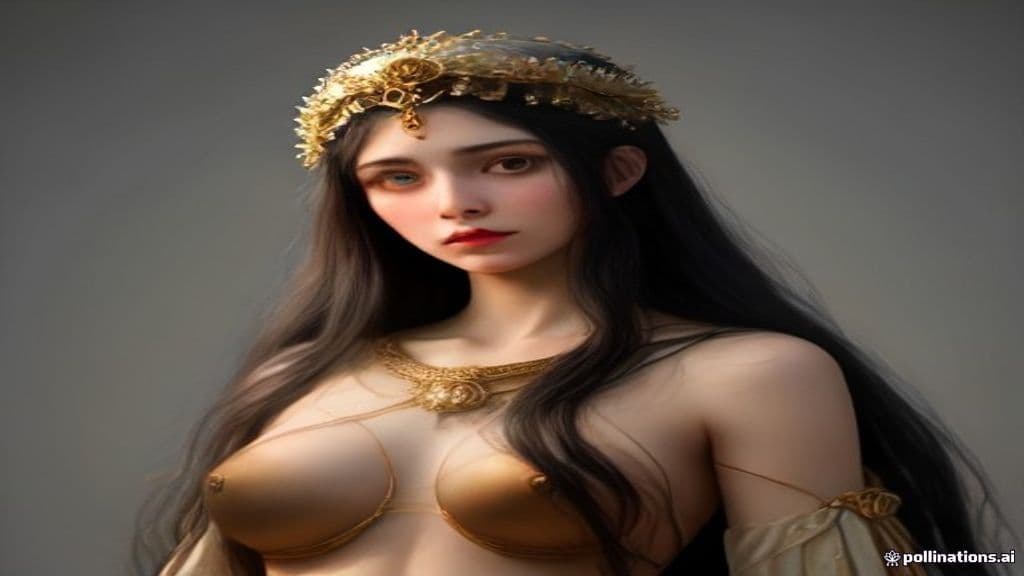
Auge
Auge (Ancient Greek: Αὐγή, Augḗ, lit. "sunbeam, daylight, dawn") is an Arcadian princess and virgin priestess of Athena Alea in Greek myth, mother of the hero Telephus by Heracles. Her narrative (in multiple variant traditions) treats oracular fate, the sanctity and vulnerability of a priestess, exposure/abandonment motifs, and the foundation of cross-regional ties when she and Telephus come to Mysia and are received by King Teuthras.

Axylus
Axylus (Ancient Greek: Ἄξυλος) is a Trojan warrior featured in Homer's Iliad (Book VI). Portrayed as a wealthy and hospitable man from Arisbe, he is slain in battle by the Greek warrior Diomedes, a brief episode used by Homer to underscore themes of hospitality, mortality, and the costs of war.
Community Record
- [1]Teuthras (Wikipedia). Wikipedia, 'Teuthras'wiki
- [2]Teuthras (mythology) (Wikipedia). Wikipedia, 'Teuthras (mythology)'wiki
- [3]Teuthras — Greek Legends and Myths (summary). GreekLegendsAndMyths.com, 'Teuthras'folk
- [4]Heroic Onomastics in Roman Anatolia (Thonemann — archive). Thonemann, 'Heroic Onomastics in Roman Anatolia' (archive summary)academic
- [5]Telephus — Greek Legends and Myths (contextual material). GreekLegendsAndMyths.com, 'Telephus' (context on Telephus-Teuthras relations)folk
- [6]Telephus — Greek Mythology Link (compilation of sources). maicar.com, 'Telephus' (source compilation referencing tradition around Teuthras)literary
- [7]Wikidata: Teuthras. Wikidata entry Q1395752other