
The category onryō denotes spirits of those who died unnaturally, untimely, or under grievance; in historical and literary discussion three high-profile figures are repeatedly grouped as the Nihon San Dai Onryō. Sugawara no Michizane (a Heian-period scholar-exile) was later linked with calamities attributed to his angry spirit and became propitiated through cultic elevation (commonly associated with the Tenjin cult) (Sources 6, 10). Taira no Masakado, a Heian-period warrior who led a rebellion and was executed, was later feared as a vengeful spirit blamed for misfortunes in the Heian and later periods (Source 5). Emperor Sutoku (Sutoku Tennō), likewise a dispossessed and exiled imperial figure, was named among the three and tied in narrative sources to posthumous retribution and the need for placation (Sources 3, 5). Scholarly and popular treatments trace these associations to political instability and the social tendency to interpret sudden disasters or elite misfortune as the workings of restless, wronged spirits (Source 10). The labeling of these three as the "Three Great Onryō" is a common literary and popular grouping rather than a formal canonical decree (Sources 3, 5, 6).
The provided sources do not record a single canonical physical form for these historic onryō; representations vary by story, period, and media. General cultural portrayals of onryō often depict them as wronged women in literature and modern horror (the J-horror archetype exemplified by figures such as Sadako and Kayako), emphasizing spectral, uncanny visuals associated with vengeance (Source 1, Source 11). For the three historical exemplars—Michizane, Masakado, and Sutoku—traditional iconography is more often civic, cultic, or textual (shrines, legends, chronicles) than a uniform ghostly visage, and the sources do not specify a consistent corporeal description for them (Sources 3, 5, 6, 7).
Onryō are described as vengeful spirits capable of harming the living to redress perceived wrongs: injuring or killing specific enemies and, in some narratives, causing broader calamities or natural disasters tied to their grievance (Source 1). Historical discourse ties the potency of onryō narratives to times of political strife; the three named figures were retrospectively blamed for misfortunes and instability that followed their deaths or political downfall (Sources 3, 5, 6, 10). In practice this means accusations that a deceased elite's displeasure produced storms, epidemics, political misfortune, or other public ills and thus generated pressure for ritual or cultic responses to avert further damage (Source 10).
Weaknesses
- conditionNo destructive weakness recorded — traditional remedies emphasize propitiation rather than destruction
- ritualPlacation, enshrinement, or deification of the wronged dead (e.g., Michizane's later veneration as Tenjin) as a culturally attested remedy
Wards
- ritualCultic placation and enshrinement (historical responses to pacify powerful onryō; examples include the rise of Tenjin cult around Sugawara no Michizane)
- otherState and religious interventions (communal measures recorded in historical discourse to address dangerous spirits during periods of instability)
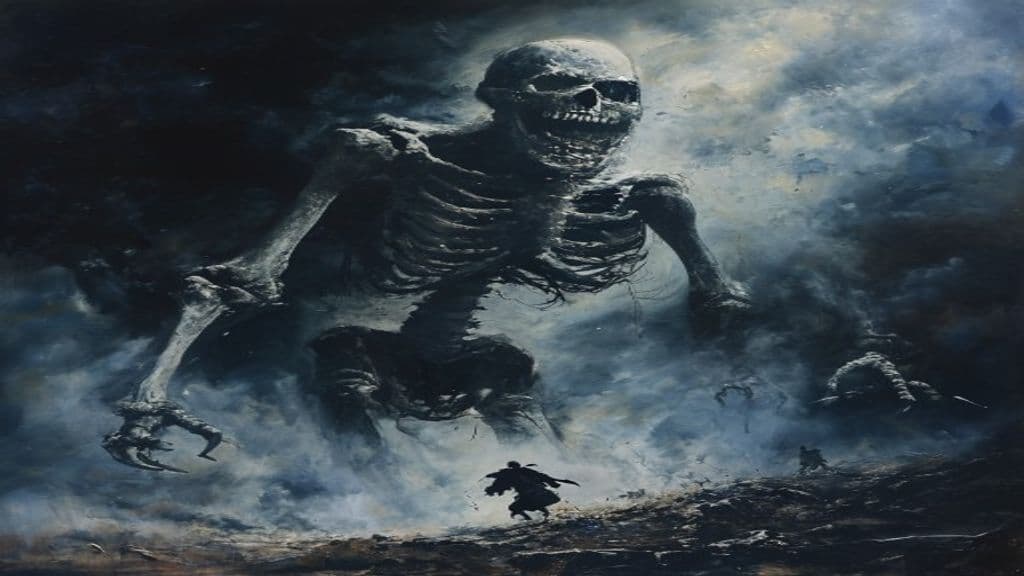
Gashadokuro
A fifteen-times-human-height skeletal yokai formed from the bones of those who starved to death or died on battlefields, their unburied remains fused together into a hungry colossus.
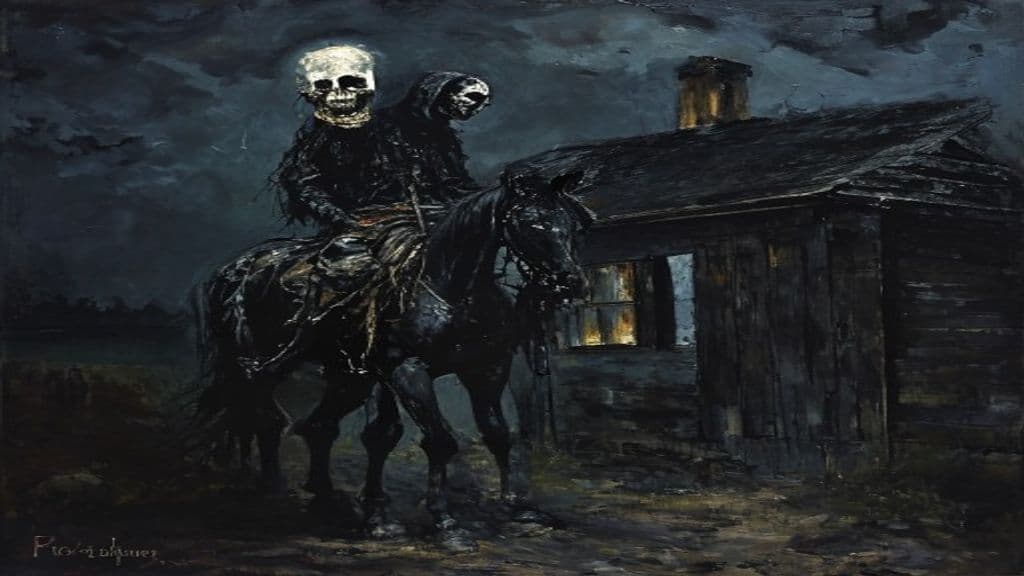
Dullahan
The headless horseman of Irish legend who carries his own rotting head under one arm, stops at the door of those about to die, and cannot be kept out by any lock.
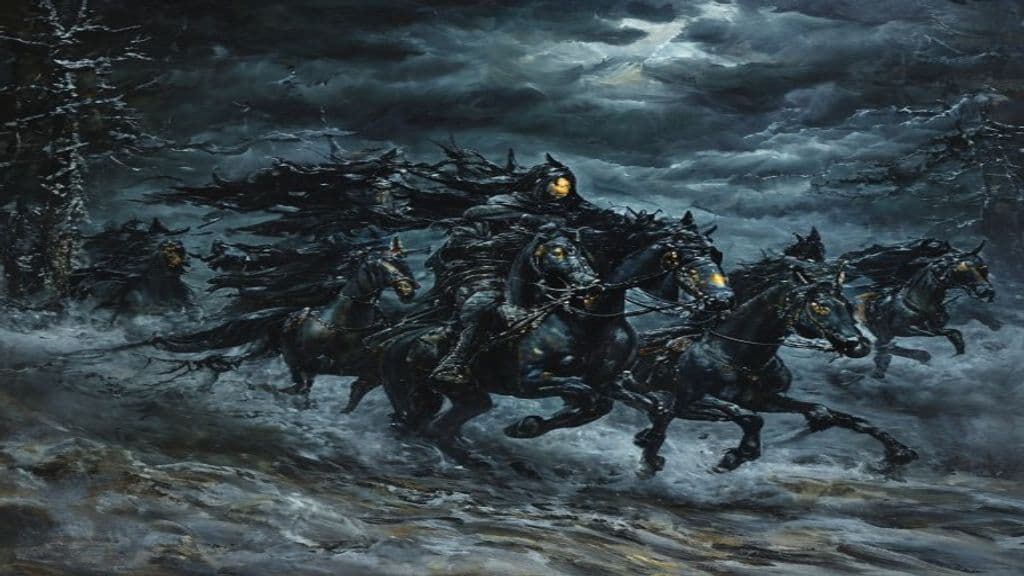
Wild Hunt
A fearsome spectral cavalcade of the dead sweeping through the winter sky — those who see it risk being carried off or killed, and its passage foretells war, plague, or catastrophe.
Community Record
- [1]Onryō (Wikipedia). Wikipedia, Onryōwiki
- [2]Emperor Sutoku (Wikipedia). Wikipedia, Emperor Sutokuwiki
- [3]Sutoku Tennō | Yokai.com. Yokai.com entry on Sutoku Tennōother
- [4]Sugawara no Michizane | Yokai.com. Yokai.com entry on Sugawara no Michizaneother
- [5]Three Great Onryō of Japan (Wikipedia). Wikipedia (discussion of Nihon San Dai Onryō listing Michizane, Masakado, Sutoku)wiki
- [6]From Onryo to Goryo (excerpt). Historical discussion of onryō/goryō and responses during national instability (summarized from Source 10)wiki
- [7]Various cultural notes and translations (prints of Japan glossary; Hyakumonogatari Kaidankai). PrintsOfJapan glossary (O thru Ri) and Hyakumonogatari Kaidankai notes referenced in research setother