
Early Spanish-era lexica and chronicles record the tikbalang (often spelled tigbalang) as a kind of 'fantasma de montes'—a phantom or spirit of the mountains and wild places (Juan de Plasencia; San Buenaventura entries summarized in historical glosses). That spirit/concept predates the introduction of horses; after horses became known in the islands, later folkloric descriptions grafted equine traits onto the older mountain-phantom image. Some later folkloric variants and modern summaries also record accounts linking certain tikbalang to transformed or unbirthed fetuses, but this is presented in sources as one of several variant origin motifs rather than a single authoritative origin narrative.
Descriptions vary across sources. Early Spanish records emphasize a forest phantom without specific horse anatomy; later accounts (post-contact) commonly portray a tall, bony humanoid with a horselike head, hooves, long mane, disproportionately long limbs (often said so that its knees or shins reach above its head when it squats), and sometimes short horns on the forehead. Juan José Delgado's eighteenth-century description gives a detailed early horse-form image: a very tall, skinny figure with a long face like a horse, long ears and nose, short forehead horns, large frightening eyes, and a horse's mouth. Folklore also reports variants that appear as old men, invisible presences, or other monster forms.
Tikbalang are chiefly known in the tradition for misleading and frightening travelers—playing tricks that cause people to become disoriented and walk in circles or return unwillingly to previous paths. Sources also describe territorial guardianship of particular trees (notably balete and kalumpang), bamboo clumps, banana groves, bridges and other wild or sparsely populated spots. In some accounts tikbalang can shapeshift (appearing as old men, horses, monsters, or becoming invisible), confer favors on favored individuals, and, in folklore, be subdued and domesticated: a would-be tamer may leap onto it, bind it with a specially prepared cord while clinging as it flies and struggles until it submits, then obtain spines from its mane to fashion an anting-anting that keeps it as a servant. Sources present both trickster/malevolent behaviors and guardian/ambivalent roles, reflecting regional and historical variation.
Weaknesses
- ritualTaming by cord-and-ride procedure (binding with specially-prepared cord and subduing by riding until submission)
- otherPossession of mane spines fashioned into anting-anting to control or keep a tamed tikbalang
Wards
- ritualWearing one's shirt inside out
- mantraAsking permission aloud to pass (spoken request to the spirit)
- conditionKeeping quiet / not producing noise in suspected tikbalang territory

Duende
Duende is a polyvalent category of Iberian and Ibero‑American household and nature spirits comprising many regional types (Anjanas, Busgosos, Diaños, Enanos, Trasgos, Nuberos, etc.). They range from benevolent water‑nymphs and shepherd‑helpers to mischievous household intruders and shapeshifters, and are rooted in rural popular cosmologies where specific places (springs, forests, homes) are inhabited by agents with varied moral dispositions.
Duende
Duende is a polyvalent category of Iberian and Ibero‑American household and nature spirits comprising many regional types (Anjanas, Busgosos, Diaños, Enanos, Trasgos, Nuberos, etc.). They range from benevolent water‑nymphs and shepherd‑helpers to mischievous household intruders and shapeshifters, and are rooted in rural popular cosmologies where specific places (springs, forests, homes) are inhabited by agents with varied moral dispositions.
Duende
Duende is a polyvalent category of Iberian and Ibero‑American household and nature spirits comprising many regional types (Anjanas, Busgosos, Diaños, Enanos, Trasgos, Nuberos, etc.). They range from benevolent water‑nymphs and shepherd‑helpers to mischievous household intruders and shapeshifters, and are rooted in rural popular cosmologies where specific places (springs, forests, homes) are inhabited by agents with varied moral dispositions.
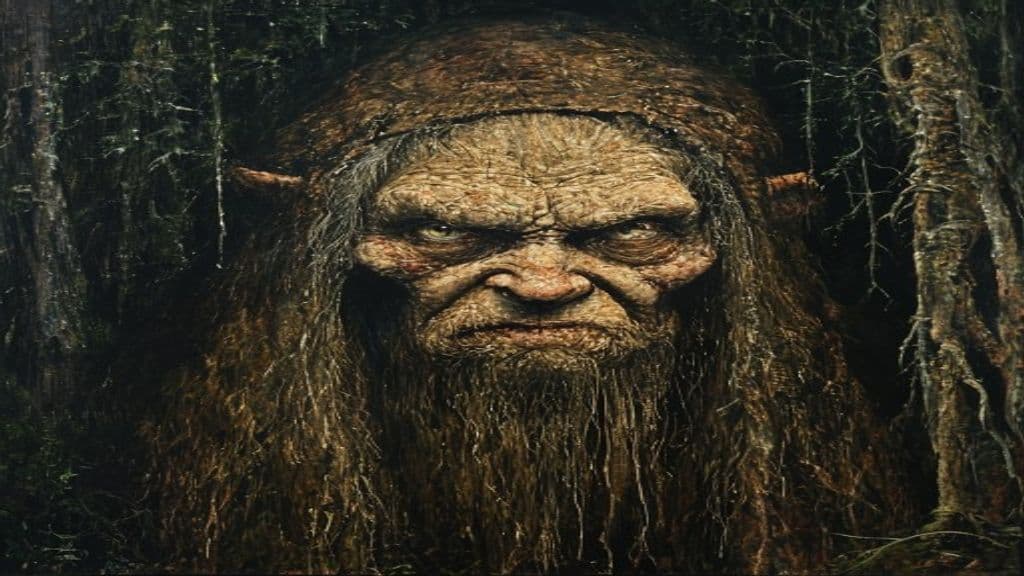
Baba Yaga
Baba Yaga is an ambivalent female figure of East Slavic folktale tradition, depicted variously as a fearsome, child-eating crone or as a helpful, maternal donor. She is associated with the deep forest, a hut described as standing on chicken legs, and the motific accoutrements of a mortar and pestle.
Community Record
- [1]Tikbalang - Wikipedia. Wikipedia entry 'Tikbalang' (modern folkloric summary, collects historical and contemporary variants).wiki
- [2]Wikidata: Tikbalang. Wikidata item for Tikbalang (linked data entry summarizing identifiers).wiki
- [3]Descriptions in Juan José Delgado (c.1750) as reported in secondary summaries. Quoted descriptive material attributed to Juan José Delgado (c.1750) describing a tall skinny figure with horselike features (as summarized in modern sources).folk
- [4]Early Spanish-era glosses and chronicles (Juan de Plasencia; San Buenaventura; Juan Francisco de San Antonio summaries). Summaries of early Spanish-Tagalog lexica and chronicles describing tigbalang as 'fantasma de montes' and reporting villagers' pacts and negotiations with the spirit (historical glosses cited in modern summaries).folk
- [5]Archive: Haunted Island of Coron - Palawan, Philippines. Local haunted-island account that includes regional lore references to tikbalang in Palawan contexts (archival material).other